
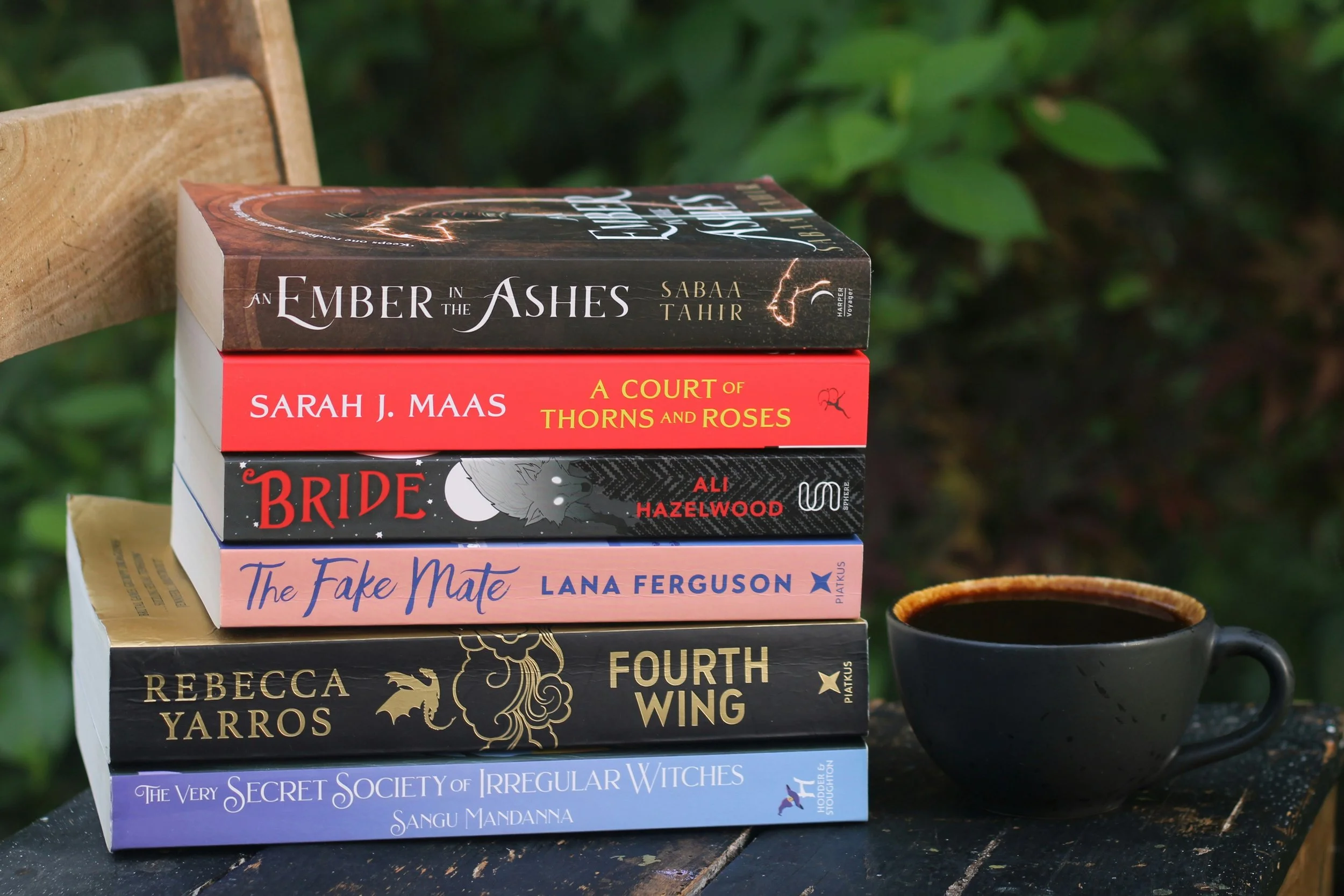
Image Credit: Elin Melaas via Unsplash
The recent release of A Court of Splintered Harmony marks the latest addition to Sarah J Maas’ global phenomenon series, A Court of Thorns and Roses. A hallmark of the romantasy genre, Maas’ newest novel returns to the Fae world of Prythian and blends high-stakes fantasy, romance, and political intrigue. The romantasy genre has taken over the literary world and become wildly popular in recent years, but has also faced extensive criticism. The reviews beg the question; is the animosity valid or simply rooted in misogyny?
Maas is an undeniably successful author, having sold over 100 million books worldwide across her three hit franchises: ACOTAR, Throne of Glass, and Crescent City. Her books, alongside other hit romantasy series such as Rebecca Yarros’ Fourth Wing are known for their strong female protagonists, rich fantasy worlds, and, of course, their ‘spicy’ romances. Tropes such as ‘enemies to lovers’ have been popularised by the genre, with the side of TikTok dedicated to these books (#booktok) having gained over 243 billion views.
Despite this, critics continue to reduce romantasy books to “fairy porn” with no substance or literary value. One passionate critic expressed their disappointment that these “trashy” books which “pander to a lonely middle-aged woman’s secret fantasies” gain so much attention.
Such criticism represents the misogyny underpinning the reception of female-authored literature, particularly the hostility towards portrayals of female sexuality and pleasure. Despite Maas’ latest book selling 1.7 million copies in pre-orders and first-day sales, it has been dismissed by one reviewer as a “waste of time, money, and paper.” This devaluation of female-centred literature is not new. Despite their commercial success in the 1970s, historical romances or ‘bodice rippers’ were illegitimised as “pornography for women” and “escapist fantasies,” exposing a longstanding prejudice against genres associated with women and female sexuality.
If we compared the romantasy genre to other fantasy novels, such as Tolkien’s Lord of the Rings or Martin’s Game of Thrones, we would see similar characteristics: magical realms, dramatic plots, and, believe it or not, sex scenes. So, why do critics label the latter works as “masterpieces” and the feminine former as not real storytelling?
Where male-centred tropes are recognised as classic elements of the genre, female-centred tropes are dismissed as repetitive and superficial. When explicit sexuality is featured in Game of Thrones it is necessary for the plot and enhances the realism of his world, yet when female eroticism is explored in Maas’ works, people perceive her books as nothing more than “fairy smut.” There is a clear double standard within the fantasy genre which confines and diminishes the value of female authors and their books.
The extent to which a text aligns with masculine conventions should not be the measure of literary value. Whether or not it is to your taste, romantasy is as real a genre as any, and the literature written by, for, and about women should never be condemned or snubbed as inferior.