
OPINION
Featured







It's the one night a year when Europe (and Australia) flock together to sing and dance for douze points. It’s Eurovision: a flamboyant expression of self-identity, showing millions of viewers a country's language and traditional music.
Has ‘woke’ made a comeback? And is it the beginning of the end for MAGA?
Last Tuesday’s midterm election brought a decisive victory for Democrats, winning back both chambers of Congress with a magnitude that was last seen after Watergate. And while the verdict for President Trump is clear, the path moving forward seems cloudier than ever.
Supporters of Lula took to the streets after the unprecedented election outcome in Brazil resulted in Flávio Bolsonaro’s defeat and Lula’s return for his fourth term. Does his unexpected win signifies that people are turning away from far-right populism?
This Halloween, a ghost stalks the shelves of Britain’s bookshops.
France. Italy. Portugal. Belgium. Spain. Albania.
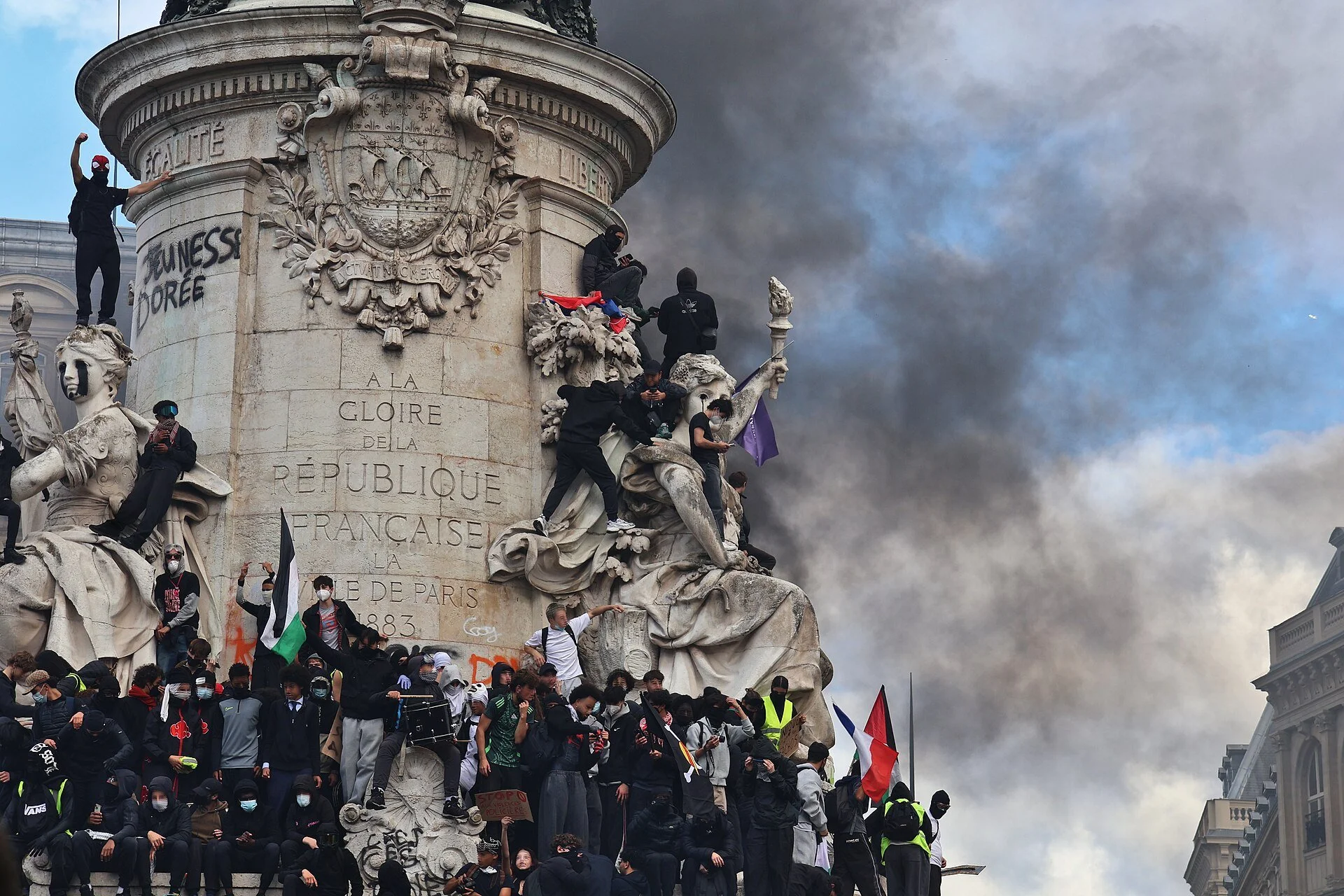
The widespread demonstrations and violence in these countries across the last two weeks has turned the continent into a physical and political arena, dangerously giving the far right an opportunity to come even closer to power.
The general unrest felt in many European countries seems to have manifested itself in the most recent protest-turned-riot in France. Like the rest of the world, I watched the clips of stores being looted, their owners trying to fend off men in black masks with long sticks, unsure of what I was witnessing: what is happening here?
On Saturday the 19th of September tens of thousands of Madrileños took to the streets to demand solutions and accountability for the national housing crisis. The Wednesday prior, police ripped open María del Carmen Abascal’s front door and evicted her from the apartment she had called home for the last seventy years.
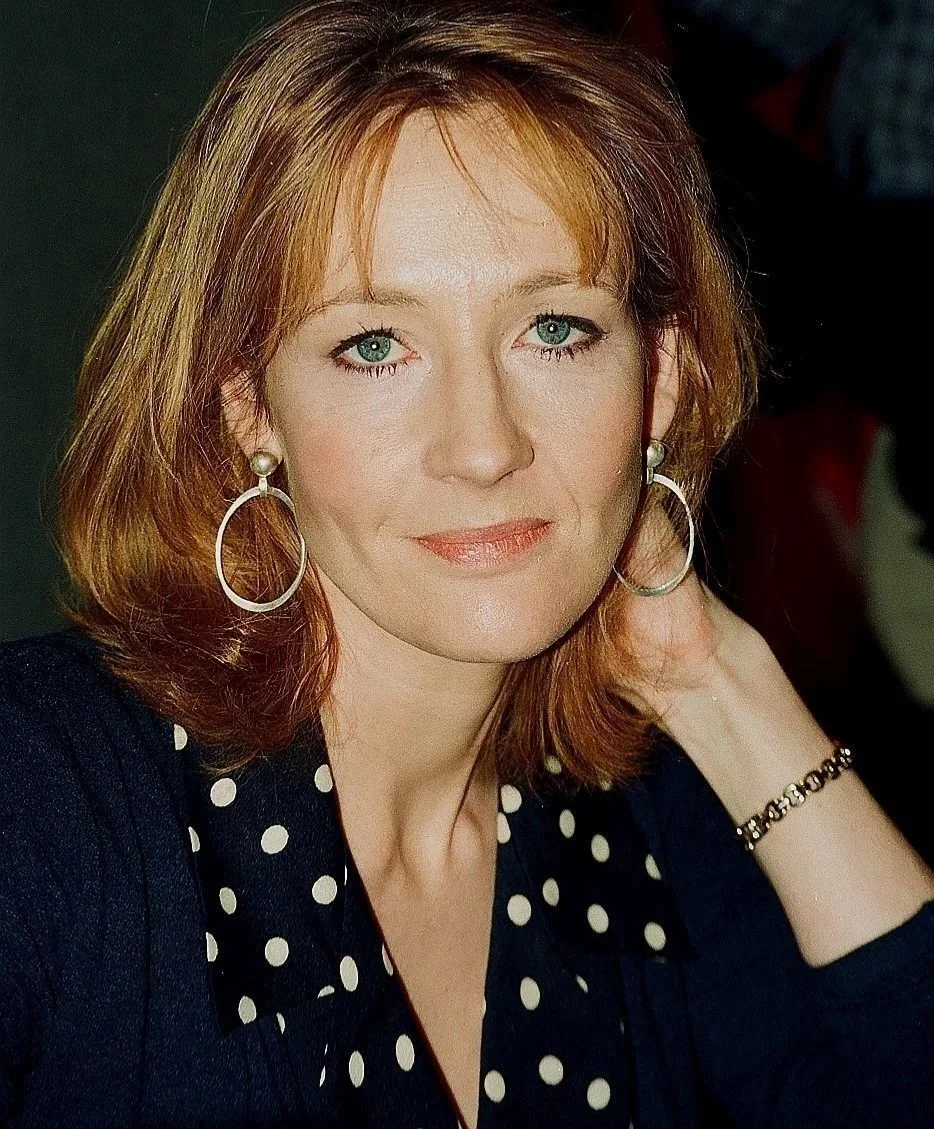
Twenty-five years after Harry Potter became a worldwide phenomenon, a different question has emerged: should we stop reading it? Although concerns about J.K. Rowling's views are understandable, boycotting Harry Potter risks overlooking its positive impact on generations of readers.
I recently came across a TikTok by Tilly Middlehurst, a Cambridge graduate who speaks out on social and political affairs. She was responding to people mocking her for using “big words” such as “norm” and “culture”, or commenting “word salad” under a video in which she mentioned “religion” and “economy”.
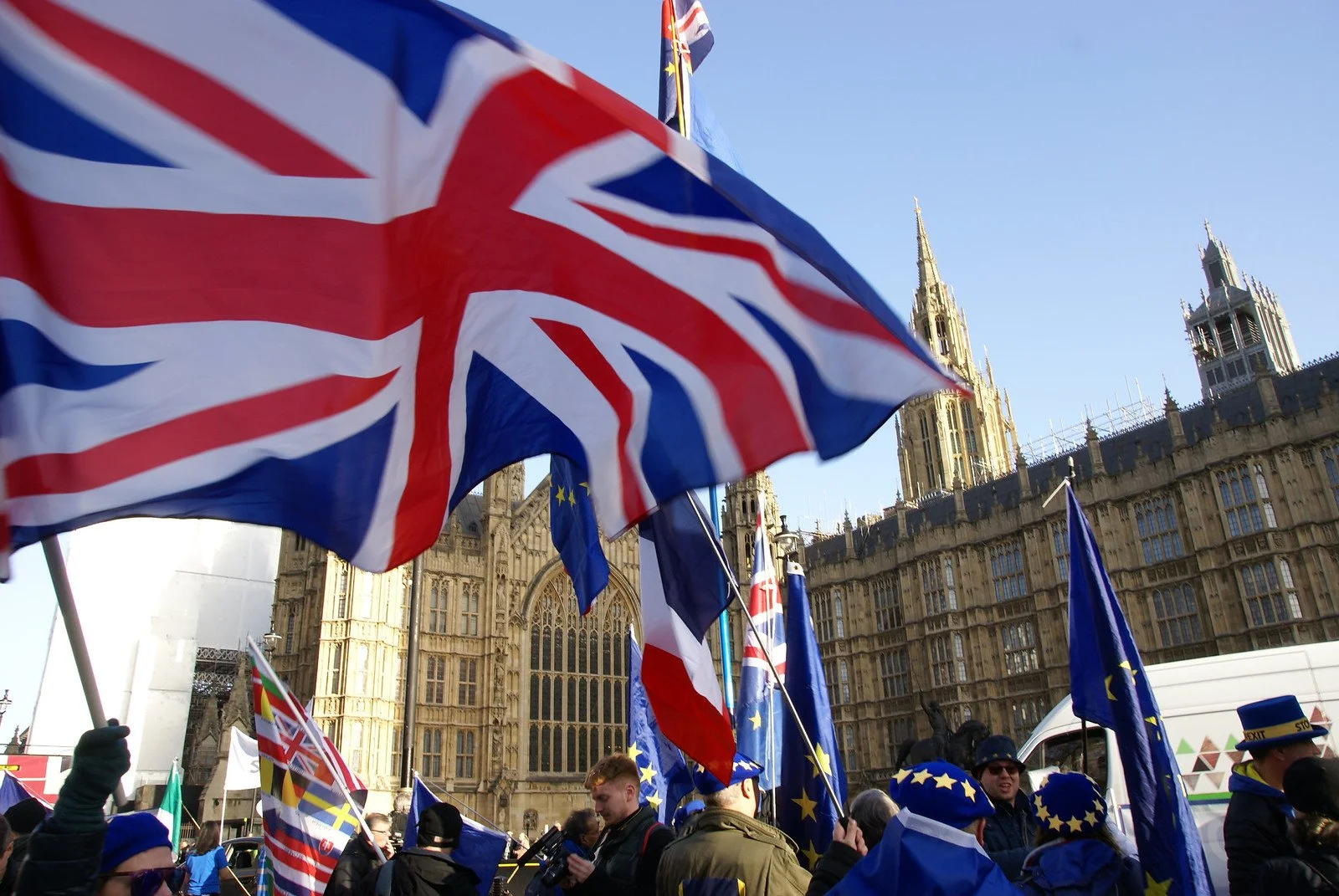
The door to the European Union (EU) may look open, but Britain cannot expect the same deal twice. Though Andy Burnham is looking towards Brussels, the cost of rejoining may prove too high.
Everywhere we look, bygone eras are being romanticised and sold back to us in a pretty package. But with nostalgia dominating popular culture aesthetic trends, it has become more than an occasional sentimental indulgence. It begs the question: why are we so desperate to revisit a time we can no longer experience?