
My Lover, My Abuser: What People Just Aren’t Getting About the Michael Jackson Allegations
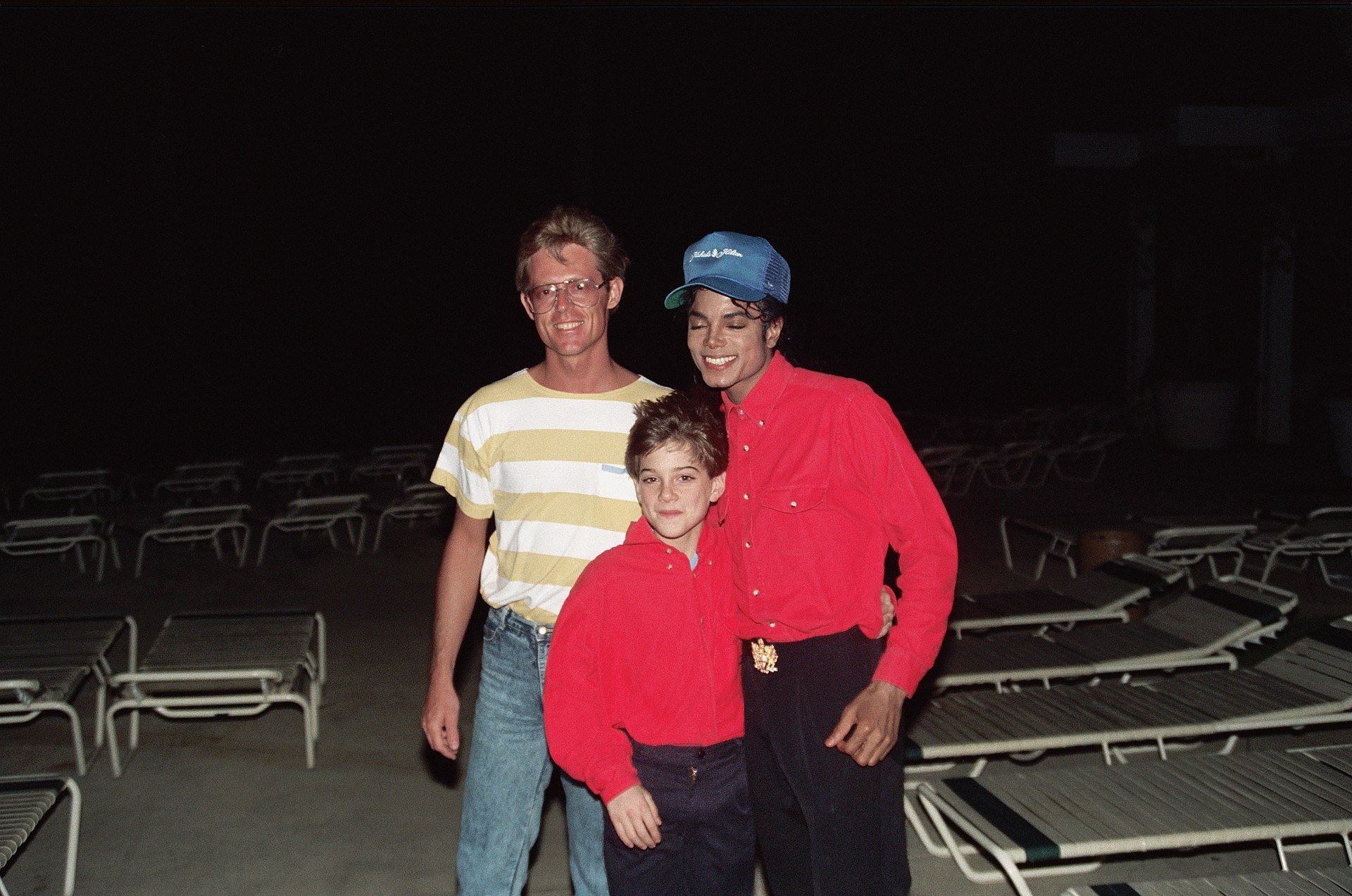
Image Credit: Images Alight via Wikimedia Commons
I’ll start with a disclaimer: I haven’t watched Michael, and I don’t plan to. I can appreciate a handful of his songs and the unmistakable aesthetic he cultivated, but there’s something deeply unsettling to me about glorifying the life of a man accused of sexually abusing children – no matter how catchy Man in the Mirror might be.
Let’s be honest: none of us know exactly what happened. We weren’t there. But what’s far more revealing than certainty is the speed (and ferocity) with which people rush to discredit those who speak up. It’s a pattern we’ve seen time and again, and it’s playing out once more with the Cascio siblings.
In case you’ve missed it, the Cascios are currently suing Michael Jackson’s estate on child molestation charges. For years, they publicly defended the self-proclaimed “skinniest Jackson”. Now, as their claims surface, social media has responded with its usual blend of cynicism and cruelty. “They defended Michael until they wanted to get paid” one user sneers. Others point to the “convenient timing” as if trauma operates on a neat, acceptable schedule. The verdict, delivered instantly and without nuance, is that they’re not victims, just money-hungry opportunists.
It seems completely improbable to these opinionated commenters that someone would ever defend their abuser. Unfortunately, reality is not so black and white (no pun intended). One of the most insidious aspects of abuse is how it entangles loyalty, admiration, and denial. When harm comes from someone admired – someone powerful, talented, or beloved – it doesn’t always register as harm at all. Especially not to a child.
Children depend on adults for safety, meaning, and experience. They learn what’s normal, what’s acceptable, and what’s deemed as “love” through the behaviour of those they trust. When that trust is violated, the damage isn’t just in the act itself; it’s in the confusion that follows. The brain protects itself. It reframes. It suppresses. It clings to the safer story: that nothing is wrong, that this is care, that this is special. And when that child grows up, those narratives linger, often for years, sometimes for decades.
That’s why delayed disclosure is not unusual – it should be expected. Speaking out can mean dismantling your own understanding of your past, your relationships, even yourself. It can mean inviting disbelief, scrutiny, and public judgment. Silence itself, therefore, becomes its own form of survival; far from the ‘suspicious’ narrative curated by the court of public opinion.
Layer onto this our culture’s obsession with celebrity, and things become even more complicated. There’s a reason why ‘parasocial’ was 2025’s Cambridge Dictionary Word of the Year: we form one-sided emotional attachments that feel real, even intimate. We feel like we know them. We defend them as we would a friend. So when allegations emerge, what we’re processing feels like a personal betrayal. Of course people push back and look for reasons to dismiss.
But that instinct comes at a cost. It prioritises our comfort over someone else’s account of harm.
We need to be more careful about the stories we tell ourselves. It’s easy to protect a legacy, to preserve the music, to keep the icon intact. It’s much harder to sit with the possibility that brilliance and harm can coexist – that someone capable of creating beauty could also cause damage.
If we’re serious about listening to victims, that discomfort isn’t optional. It’s the starting point. And maybe that’s why I won’t be watching the Michael film. Not out of spite, and not because I think I hold the definitive truth, but because I’m wary of how easily a polished narrative can sand down the very complexities we should be confronting. Biopics invite us to feel, to empathise, to be swept up in legacy – but they also ask us, quietly, what we’re willing to overlook in the process, especially when a non-biased party (like the star’s own nephew) is portraying that legacy.
So perhaps the more important question isn’t whether the film is good, or faithful, or even fair. It’s whether, when the credits roll, we leave the cinema more willing to sit with uncomfortable truths, or more determined to look away from them.