
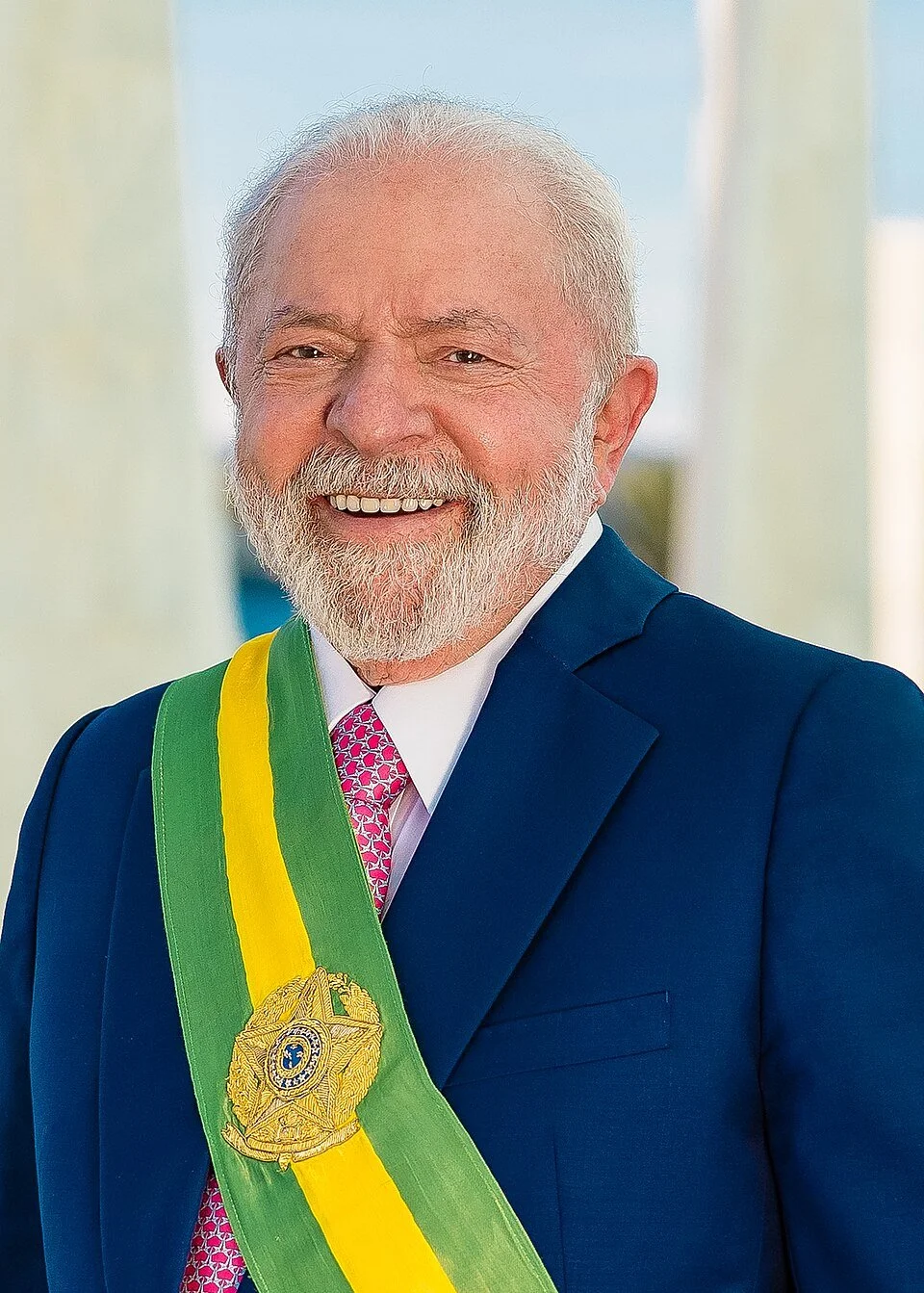
image credit: Palácio do Planalto via Wikimedia Commons
Supporters of Lula took to the streets after the unprecedented election outcome in Brazil resulted in Flávio Bolsonaro’s defeat and Lula’s return for his fourth term. It was particularly striking as no President has been able to overturn a first-round defeat since the introduction of democracy to Brazil in 1985. Despite Bolsonaro leading the polls after the first round, Lula managed to gain over 10 million more votes between the two voting rounds. His unexpected win signifies that people are turning away from far-right populism.
Lula’s turnaround highlights the importance of mobilising non-voters. He accused Meta of favouring Bolsonaro on social media and in response set up a Whatsapp group chat for his supporters. The group grew to over 10 million participants, all receiving information unaffected by biased algorithms. Volunteers also spread positive messaging across social media, taking up digital space usually controlled by the right. These online tactics played a key role in the extra 10 million votes secured.
This victory for the left is a sign of the turning tide, not just in Brazil, but globally. Lula’s win is a blow to the dominance of current right-wing governments. For Trump in particular, Brazil's election will weaken what he calls the “Donroe Doctrine.” In his second term, Trump outlined ambitious goals for Latin America that centre around US control in the region. This includes territorial expansion, through his claims to Greenland and Canada, along with the increased use of tariffs. Brazil remains the largest economy in Latin America with the second largest reserves for rare earth minerals. However, Lula has been outspoken against US intervention, stating at the United Nations “Brazil does not belong in anyone’s backyard.” This puts a major dent in Trump’s ‘Donroe Doctrine.’
Lula is not out of the woods yet though. Enthusiasm off the back of the election may be short-lived as the legislature and state governments are dominated by the right. Moreover, powerful right-wing figures remain united in Latin America limiting Lula’s ability to form strong allies. But his win does prove that the far right can be defeated.
More unwelcome news for the far right comes with the recent US mid-term election results, which saw a sweeping democratic wave. States that are known to be firmly red have switched, including the election of James Talarico in Texas. However, it is important not to overstate the influence of a more progressive politics. The reduction of Trump’s domestic power may cause him to escalate actions abroad as he still has dominance over the military. So, while the Democrats can call the midterms a victory, there is still a long way to go to reduce Trump's power in the US.
For the world beyond the Americas, the recent months have seen a variety of protests against authoritarian regimes. In India, protests against the right-wing leader Modi have swept the cities. Young people are angered by the economy not producing jobs. Serbia has experienced youth protests too where the Student List party ousted Vučić over claims of corruption. There has also been general anger in Europe over unaffordable housing and poor schools leading to widespread demonstrations. Despite the far right’s mounting popularity in France, Former French Prime Minister Villepin has called Lula’s win “a major signal of hope.” Brazil’s election shows that defeating authoritarianism is possible and that it can occur through wide mobilisation.
While the left in Brazil still have a battle ahead, I choose to remain optimistic that the far right are starting to lose ground. Lula’s win shows that people are turning against authoritarian policies and standing up to corruption. Brazil remains surrounded by authoritarian regimes but it might just be the example that others need to go out and vote. Similarly, the US has now shown the importance of voting as an effort that can destabilise Trump. Across the world, there is hope that power is returning to the people.