
image credit: Conlan Houston via Wikimedia Commons
Has ‘woke’ made a comeback? And is it the beginning of the end for MAGA?
Last Tuesday’s midterm election brought a decisive victory for Democrats, winning back both chambers of Congress with a magnitude that was last seen after Watergate. And while the verdict for President Trump is clear, the path moving forward seems cloudier than ever.
By focusing on affordability and holding President Trump accountable, Democrats finally picked a message that resonated with the American people, something they have failed to deliver in previous elections. The tone throughout each campaign was characterised by a left-wing approach to the economy and a rather centrist approach to cultural issues, which may prove to be the new winning formula for Democrats. By promising to raise taxes on the wealthy, and scaling back on issues such as immigration, Democrats were able to appeal to voters that have previously felt alienated by the party.
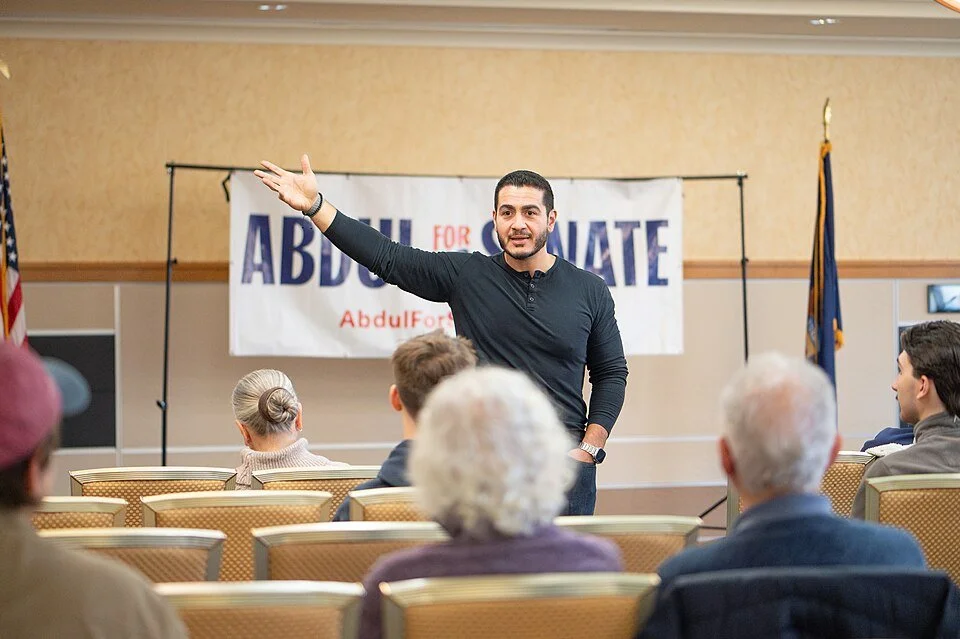
The wide range of candidates indicates that not one candidate fits all. In fact, Americans may not be as conservative as anticipated, so long as candidates have the right messaging. Take Michigan, where Democratic Socialist Abdul El-Sayed won the crucial swing state, becoming the first Muslim Senator in US history. We have seen democratic candidates winning from all kinds of backgrounds, including Texas’s first Latina governor Gina Hinojosa, Chris Pappas from New Hampshire, the first openly gay Senator to serve in Congress and Keisha Lance Bottoms, the first Black female governor of the country.
Nonetheless, this year’s mix of progressive and moderate candidates hint at the upcoming struggle for Democrats: the ideological direction of the party. Democrats need to put arising divisions aside, and deliver on the promises made to constituents. Winning back the confidence of the American people remains a major task, as polls suggest that many voters were casting their vote against Trump, not necessarily for Democrats. Looking towards the presidential election, Democrats need a clear political programme, as simply being the anti-Trump party will not work anymore. The momentum they have now built might send them in the right direction.
Meanwhile, the Republican Party may find itself at a crossroads: whether to reinvent MAGA, abandon the movement altogether or find a way back to the conservative values that once defined the party. Especially the last two years of the second Trump Administration have left a lot of Republicans feeling disappointed. They need to break from recent policy, including the war in Iran, trade conflicts that have skyrocketed cost of living expenses, and the President's efforts to enrich him and his friends. However, the now lame-duck President is not expected to retreat quietly. There are already sources indicating another offensive in Iran, which has become a sore subject for a lot of Republicans, including Vice President JD Vance who suggested that the war cost them the midterms. Vance, who is seen as the natural successor of President Trump, will face the burden of being closely associated with the current President’s actions. For him, as for other aspiring Republican candidates, it will be tough to win the attention of the American people with an incumbent President who will not step out of the spotlight. Even if Republicans manage to distance themselves from the President and his actions, their success in the next election will heavily depend on Trump’s willingness to let others take over.
It is clear that we have reached a new timeline in American politics. While Republicans may try to hold on to the MAGA movement, they are now faced with the impossible task of finding an heir for its founding father. This presents Democrats with a unique opportunity: to reinvent themselves as the party for working people.