
A Lack of Vision: Is Short-Term Thinking the Problem With 21st-Century Politics?
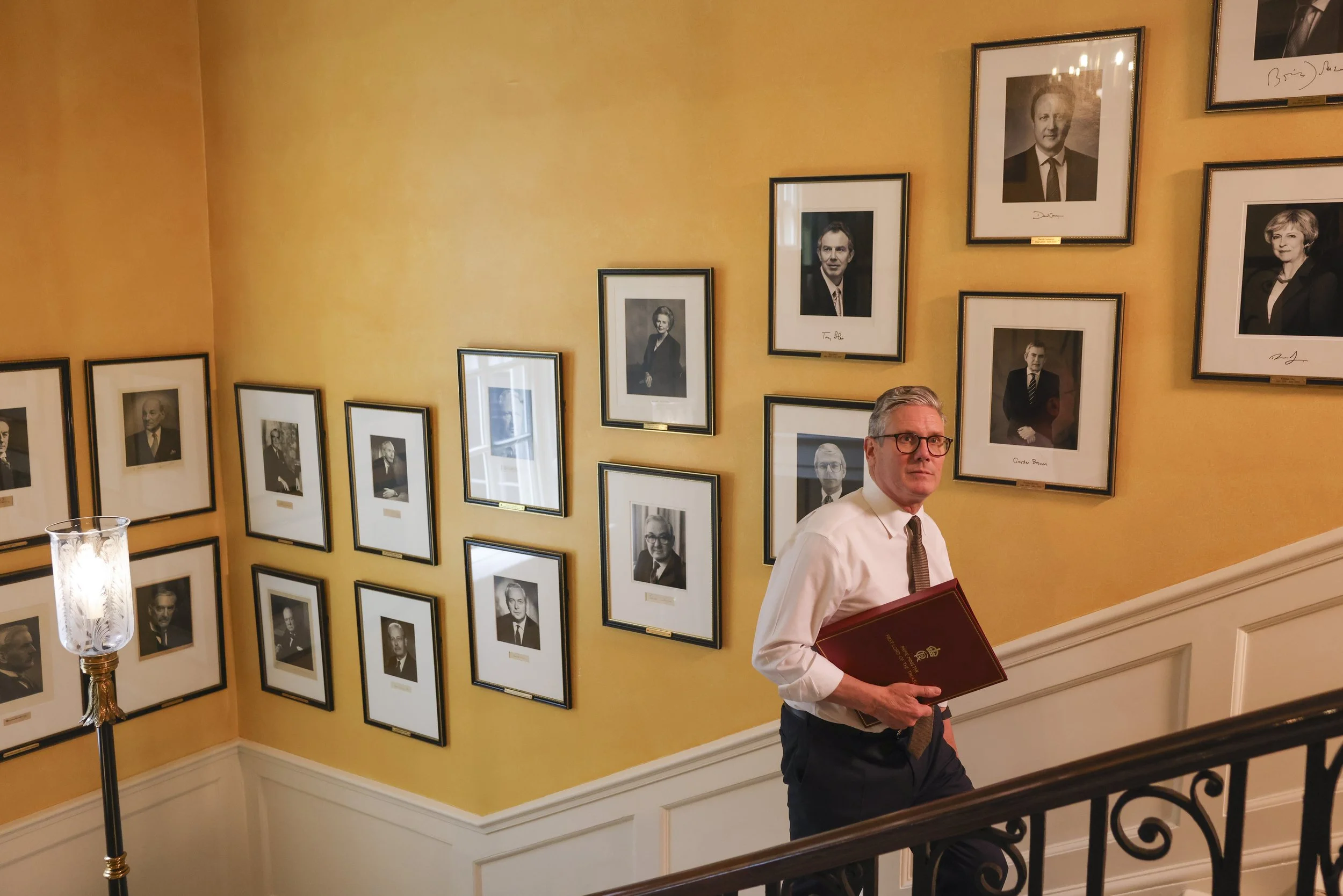
Image Credit: Number 10 Downing Street via Wikimedia
Another one bites the dust!
Or so the press declares as they add another ministerial, or even Prime Ministerial, scalp to their collection. Another Government falls, another election passes; another scandal burns through the headlines for a day or so before the media swiftly moves onto the next, shinier scandal. And yet, beneath this constant churn, something strange is taking place; despite politics never feeling more personal, and the battles never fiercer, it all increasingly feels hollow.
It shouldn’t feel like this, right? Politics should be important, or at least feel so. When the Government declares that it’s scrapping the 800-year-old practice of jury trials, it should feel important. When the Government flirts with the idea of cutting welfare, increasing defence, and putting Britain on a “war footing”, it should feel like it matters, right?
But it doesn’t. It doesn’t feel new or important. It doesn’t feel significant or like it ‘matters’. Somehow, somewhere, in the back of our minds, we know that, irrespective of the parties, ministers, or prime ministers in government at any given moment, broadly the same policies will be pursued, the same obstacles will be encountered, and, inevitably, it will all end in failure.
This is not a problem of ideology or even individual bad actors, though they may exacerbate pre-existing issues. The deeper problem is structural: modern politics is shaped by short-term incentives, distorted by a relentless media cycle, and organised around survival rather than strategy.
Now, short-term thinking has always been present in democratic societies; elections have always narrowed horizons for better or for worse, and politicians of the past, sadly, were not virtuous paradigms who would stand aloft, unconcerned with the petty triviality of having to win elections to stay in power. But what has changed is the surrounding architecture that has amplified this existing tendency.
Long gone are the days when Prime Ministers could read Trollope in the evenings, or tell their cabinet to read Livy to relax. Now, with the advent of 24/7 news and social media, there is no break, no hinterland left to go to, and no room left to plan. Now, reports of political crises can reach halfway across the globe before the Prime Minister even has had time to put on his boots, let alone consider his or her response.
The result? Politics is reduced to a perpetual exercise in firefighting. Successive governments are forced to confront the crisis of the day - the latest scandal, outrage, or emergency - and are left with little capacity to think beyond what lies directly in front of them.
But even if they wanted to, there is little incentive for politicians to think long-term. When pollsters can deliver instant verdicts on policy decisions, eagerly repeated by the press and seized by anxious backbenchers worried about their seats, why should a prime minister concern themselves with anything beyond the short term? What is the point of long-term planning in a system where a prime minister struggles to make it past the next week, let alone the next several years?
Short-term thinking is not the only problem facing modern politics, but it is fast becoming one of its most corrosive. Systems built around instant reaction inevitably favour those who respond quickly rather than those who think furthest ahead. When survival until the next news cycle becomes the overriding priority, strategy gives way to improvisation. The result is politics that feels busy, dramatic, and endlessly turbulent, yet strangely directionless. Governments may change, but the trajectory rarely does.