
New Sanctions Imposed by US Against the International Criminal Court
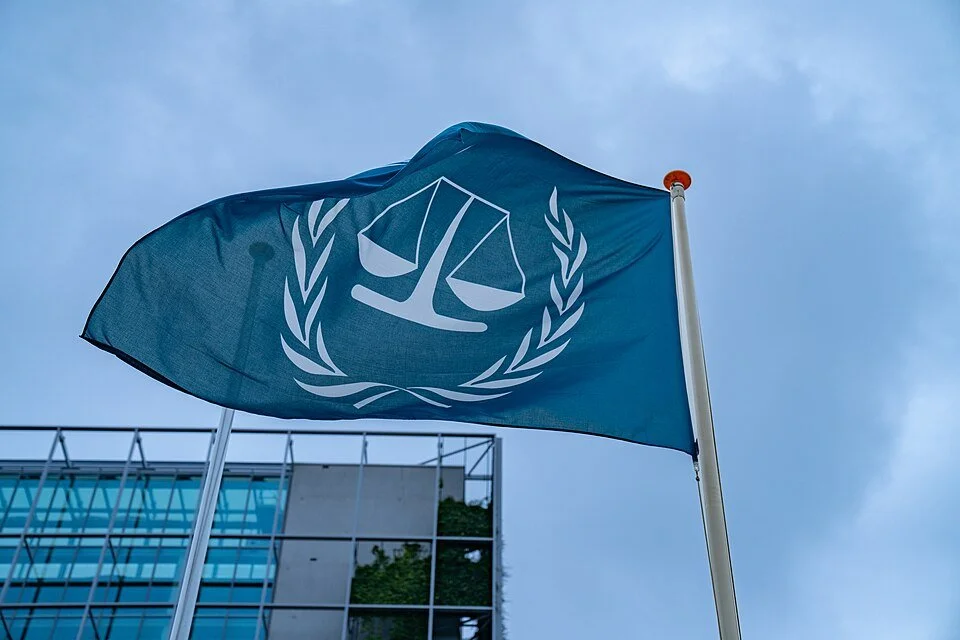
Image Credit: Tony Webster via Wikicommons
On 9 October, the United States imposed new sanctions on the International Criminal Court (ICC), escalating its campaign against the institution responsible for prosecuting war crimes, genocide and crimes against humanity. The announcement came just hours after former ICC judge Navanethem “Navi” Pillay was awarded the 2026 Nobel Peace Prize for her commitment to international law.
Established in 2002, the ICC has faced repeated criticism from the Trump administration over its investigation into alleged US war crimes in Afghanistan and its 2024 arrest warrants for Israeli Prime Minister Benjamin Netanyahu and former defense minister Yoav Gallant. Neither the US nor Israel is party to the Rome Statute, the treaty that establishes the court and defines its jurisdiction.
Announcing the sanctions, US Secretary of State Marco Rubio denounced the ICC as a “rogue court”, accusing it of threatening American sovereignty and raising concerns about potential prosecutions of US citizens, including border patrol agents and elected officials. To date, the ICC has not sought to prosecute any US citizens. US legislation dating back to 2002 prohibits the extradition of American citizens to the court and authorizes the use of force to secure their release if detained by the ICC.
Previously, the Trump administration imposed sanctions on 13 ICC officials and judges, alongside Palestinian rights organisations that provided evidence of alleged Israeli war crimes. The latest measures mark a significant escalation by targeting the institution itself, freezing any assets under US jurisdiction and restricting its access to American financial services and technology. US companies have now been given 180 days to terminate commercial dealings with the court. According to the fact sheet, exceptions to these sanctions are contingent on ICC success or failure to make decisions favorable to US interests.
The ICC condemned the measures as “an assault on the rule of law” and an attempt to obstruct justice, calling on its 125 member states to defend its independence. In a joint statement the foreign ministers of the UK, Canada, France, Germany, Italy, Denmark, the Netherlands, and Japan reaffirmed their commitment to the court’s “independence, impartiality, and integrity”, just hours after the sanction announcement.
As the ICC warns, “History will judge this moment.”