
The Only Scot I Met Was a Beginner Too
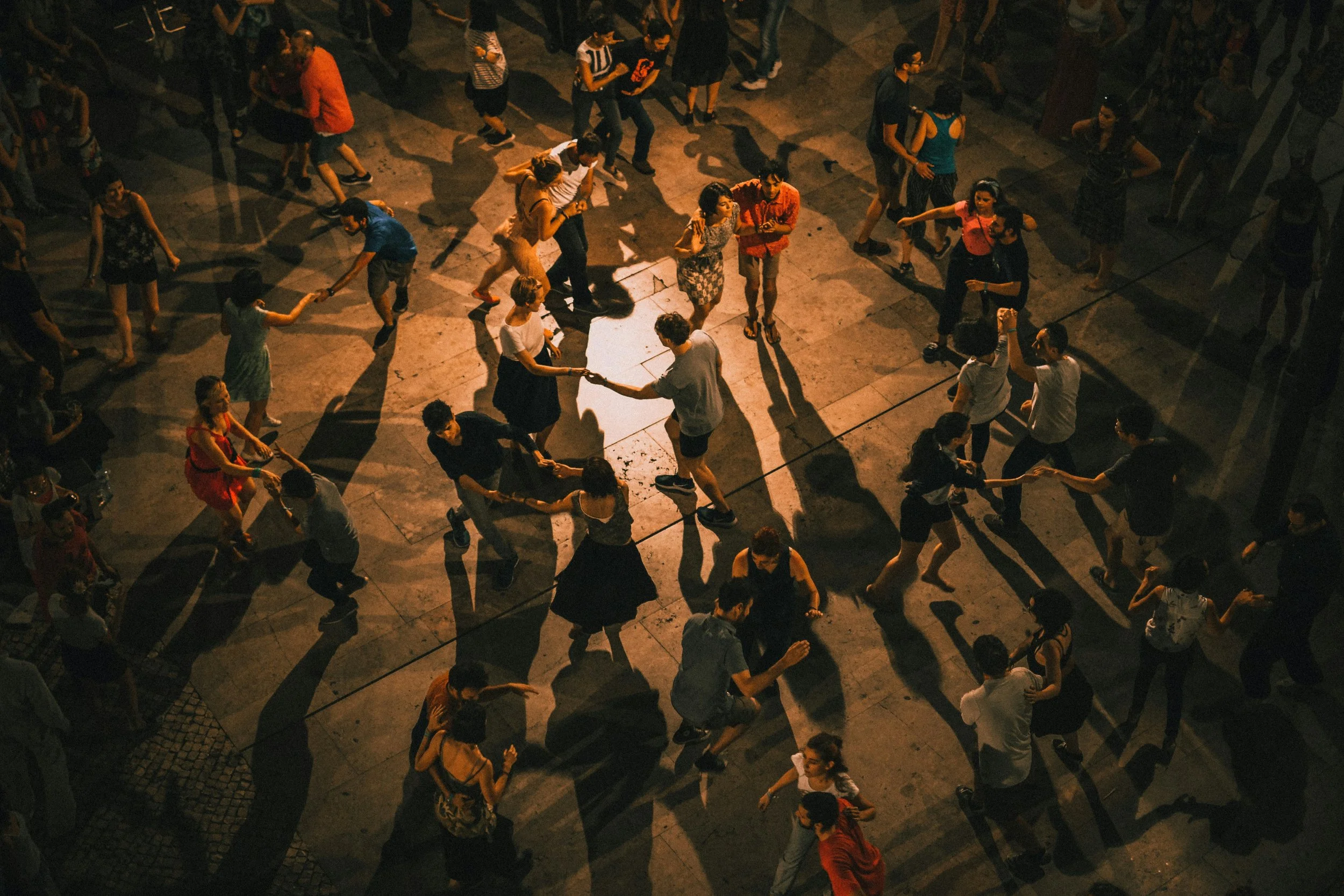
Image Credit: Ardian Lumi via Unsplash
Before the music started at the UCL Caledonian Society taster, I asked those around me where they were from. Of the people I spoke to, only one was Scottish — and he had never tried Scottish dancing either.
His answer punctured the room I had invented: insiders on one side, me on the other.
I had nearly stayed home. As a Chinese Fresher, I wanted to encounter a culture I had not grown up with. Yet what drew me in also made me hesitate. What if everyone else knew the steps, the jokes, and rules I did not even know existed?
For the first half-hour, that fear seemed justified. The instructor’s words moved faster than my feet. I watched other people’s feet, turned a moment too late, and understood every joke a beat after the laughter. When we were put into groups of three and told that these strangers were now our “best friends”, I smiled while wondering whether I was the most boring person in the room.
Then the music started, and something shifted.
It did not make me remember the steps. Instead, it took away any spare second in which I could judge myself. There was no time to ask whether I looked out of place; someone was already offering me a hand. Lines broke and re-formed. People spun too far, recovered and laughed. I was still getting it wrong, but I was no longer getting it wrong alone.
The laughter no longer needed translating.
That may be what university sport offers freshers that small talk cannot: a way of being together before you know what to say. At an ordinary social, conversations begin from zero, with the familiar exchange of courses and hometowns. A shared activity gives strangers a tiny history almost immediately — a missed turn, an avoided collision, a second attempt that went slightly better. You become familiar before you become friends.
By the time the pizzas arrived, conversation no longer had to start from nothing. The people beside me were no longer just names and degree subjects; they were the ones who had spun, stumbled and laughed with me. The room had not changed, but our relationship to one another had.
I had also misunderstood what it meant to approach another culture. I thought I needed knowledge and confidence before I had the right to participate, but nobody asked me to prove how much I knew. What mattered was that I listened, followed, got lost and tried again. Even the only Scot I met was learning alongside us.
Sometimes you take the first step before you feel that you belong — possibly in the wrong direction. I had almost stayed away because I was afraid of feeling like an outsider. By the end, I realised that participation was not the reward for understanding; it was how understanding began.