
From Culling to Contraception: Rethinking Invasive Species Management
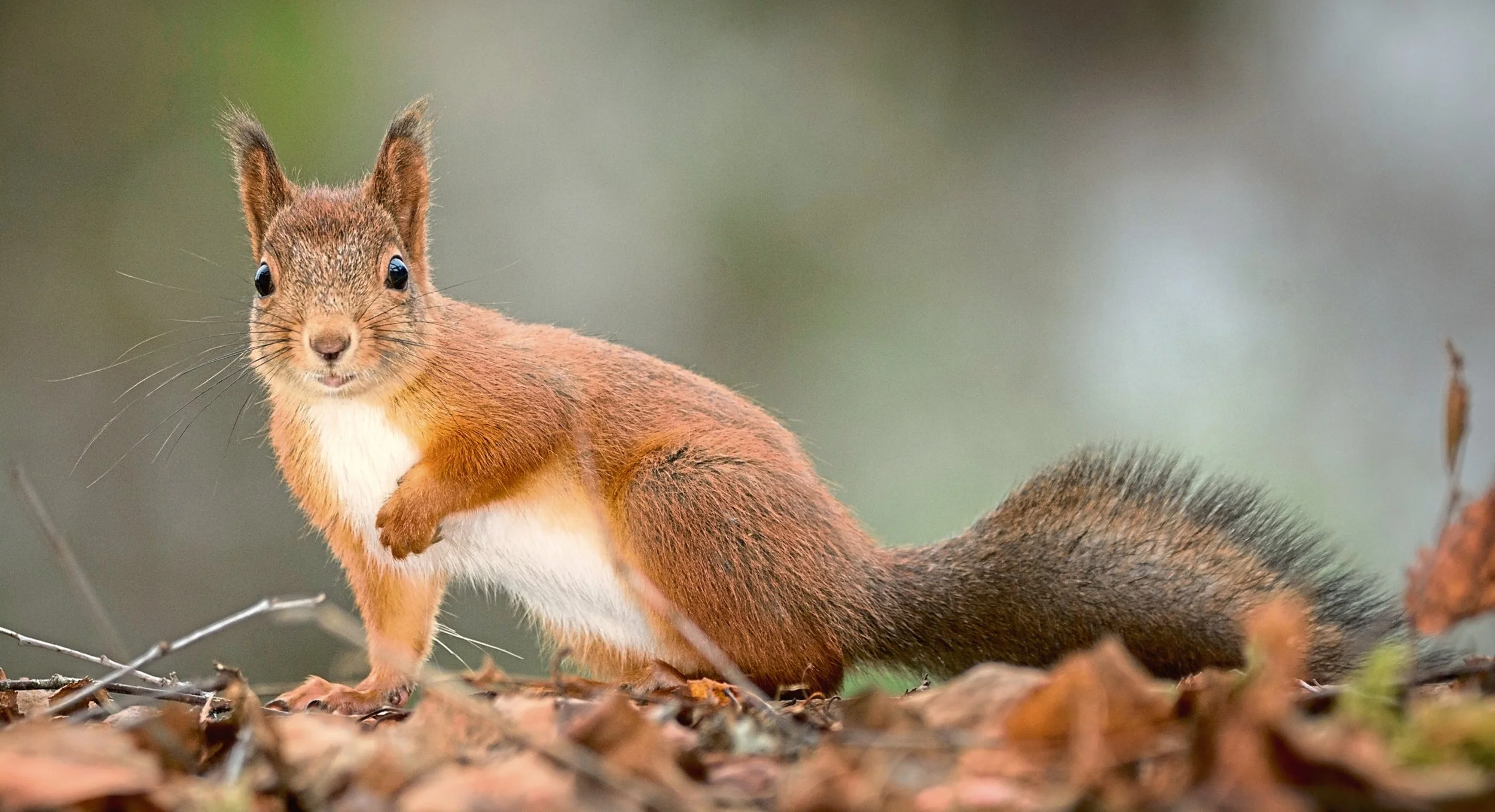
Image Credit: Getty Images
(Q) You are on holiday in a different country and see the most fluffy, adorable looking wild beast to ever grace your eyes (a bunny, for instance). High on the endorphins, do you:
(A) Immediately steal away your newest obsession and raise it in your home as if it were your own.
(B) Take the cute little thing; then, scared about getting it through airport security, drop the animal off anywhere on your way, before continuing on your travels.
(C) None of the above; you understand that both (A) and (B) are deeply unwise options. You should remove yourself from the situation.
Answers found at the end.
Definitions vary, but the term ‘invasive species’ is generally accepted to mean a species that causes economic or environmental harm after it has been introduced to a region or ecosystem in which it would not normally occur, i.e. is non-native.
For example, the eastern grey squirrel (Sciurus carolinensis) which was brought over to the UK from North America 150 years ago, has cost England and Wales nearly £40 million in damages, and has nearly eradicated the native red squirrel (Sciurus vulgaris) by spreading diseases and outcompeting for resources.
Red squirrels spread the spores of mycorrhizal fungi, which in turn facilitates healthy tree growth and woodland regeneration. Contrastingly, their grey counterparts are responsible for ringbarking which causes extensive damages, even death to forestry. This is a key example of how native species are crucial in the upkeep of biodiversity, whereas invasive species are destabilising and often detrimental to an environment.
British Wildlife estimates some 37,000 species currently occupy regions or biomes to which they are not native. Management of this issue is divisive. Culling (selective killing, e.g. trapping) was widely practised, although questions have been raised surrounding the ethicality of lethal methods.
Last month, the UK government updated their grey squirrel policy statement, emphasising that the ‘eradication’ of the species should be undertaken using ‘humane measures.’ But how can this be achieved?
Part three of the policy reveals that DEFRA (Department for Environment, Food & Rural Affairs) are “supporting research on fertility control.” Following a consultation which found that the public largely object to culling, three alternative methods were proposed: immunocontraception, gene drives, and pine martens.
Immuno-contraceptive vaccines act as blockers during reproductive processes and are unique in that they can provide benefits in fields of both human medicine and wildlife management.
Gene drives involve the modification of genes to ensure that infertility becomes a dominant trait which gets inherited by offspring, although this method would require a sort of two-factor authentication; the drive must be authorised by both an independent expert committee and via a public consultation.
Finally, there has been some labelling of Pine Martens as the “saviour” of the red squirrel, preying on the oppressive grey and emerging as unlikely eco-warriors. However, further studies have questioned the validity of this, and so the government’s approach is very tentative, highlighting the need to further ‘monitor’ the situation and impacts of the Pine Martens (not the first time that a PM has proved disappointing).
(A) Albeit incredibly unfortunate, C would be the only correct choice. Seemingly innocuous, the example bunny - if non-native to the region - has the potential to become invasive and irreversibly destructive. You’ll have to get your dopamine rush elsewhere.