
'Kiss All The Time. Disco, Occasionally.': How Harry Styles Turned Miles into Music
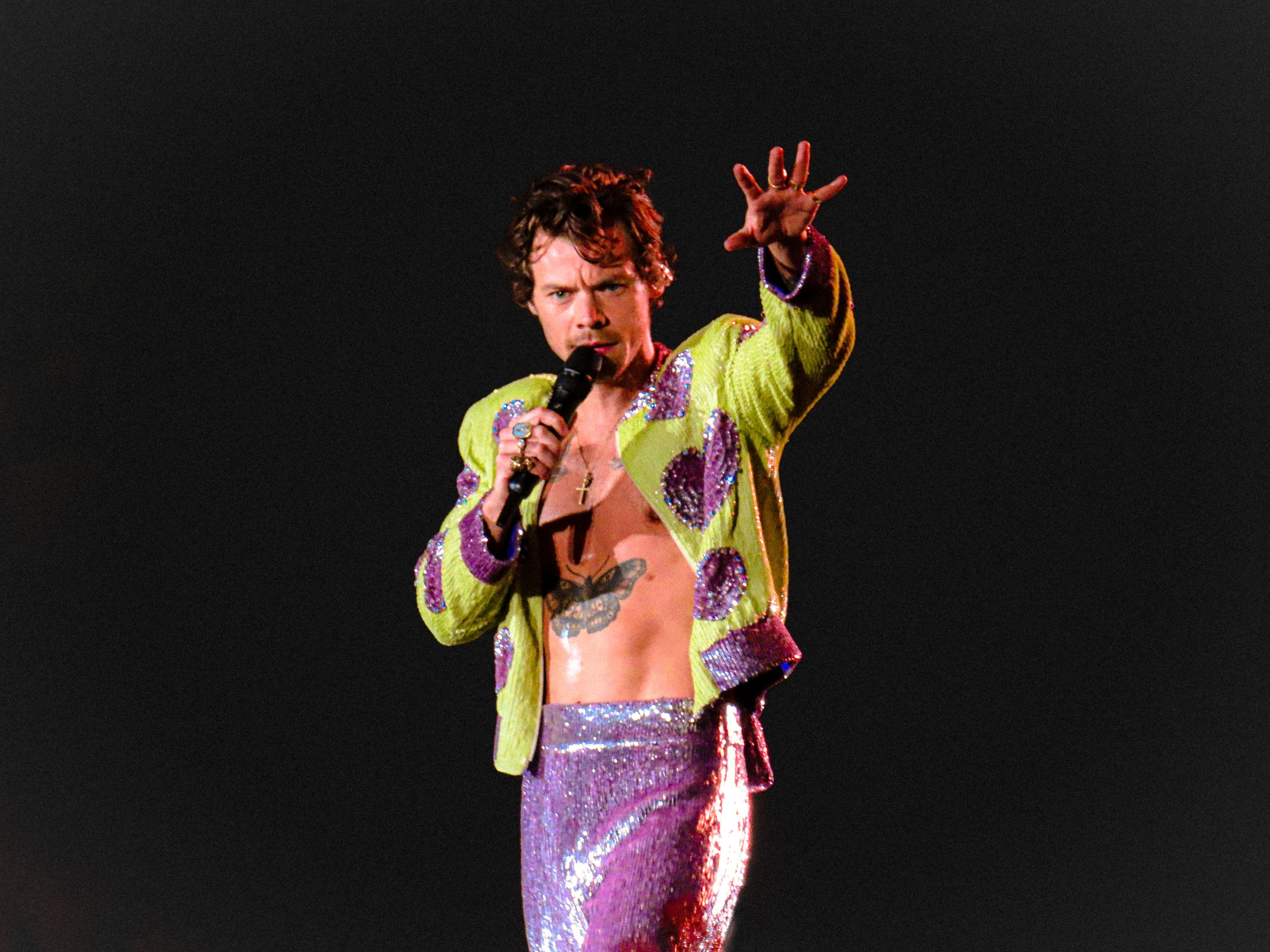
Image Credit: Leticia Moraes via Wikimedia Commons
As part of his press campaign for his new album Kiss All The Time, Disco Occasionally, Harry Styles took to Runner's World in conversation with Haruki Murakami (acclaimed author and fellow marathon runner) to discuss all things running, music and writing. It’s clear that Styles’ running endeavours had a significant influence on his fourth studio album, which demonstrates a new era of energy and electricity for Styles.
‘Aperture’, the opening song on the 12-track album (and the teasing single released two months prior to the full album), is a dynamic start which sets the pace for the rest of the record. With strong cadence, fizzing instrumentals and repetitive lyrics, ‘Aperture’ introduces themes of belonging, movement and togetherness that run throughout the album. The line mentioning ‘Time codes and Tokyo scenes’ is perhaps a nod to Styles’ first marathon, which gained attention due to his impressive time of 3 hours, 24 minutes and 7 seconds. Later that year in September, Styles further impressed, achieving a notable sub-three hour time in Berlin. It’s obvious that marathon running has become a particular passion for Styles, and parallels are arguably seen between his commitment to long-distance running and his musical practice.
In both training and his career, Styles has demonstrated a certain patience and longevity. Beginning his career at just 16 and now in his early thirties, Styles has managed to maintain a strong, cult-like fan base by embracing changes to his personality and embodying these in fresh, new music. Kiss All The Time, Disco Occasionally encapsulates a shift from the previous introspective, nostalgic style featured on 2022’s Harry House, to centre tempo, imagination and funky pop. Four years since his last album, Styles has not rushed to release, pacing himself with discipline and consistency.
Styles has demonstrated endurance, and has taken time in the solitude of marathon training to reflect and process. Although in his thirties, this album feels like it exists in its twenties, focusing on dancing and partying – perhaps because this was a decade Styles did not get to fully indulge in as a teen star. The songs are electronic and psychedelic featuring synth and blurring into one another; even the more subdued tracks seem to prioritise rhythm and feeling. ‘Coming up Roses’ features orchestral instrumentals alongside Styles’s signature vague lyrics which allow fans to speculate and delve deeper, yet the song can also be enjoyed on a purely melodic level.
Stripping away Style’s international fame, he is, at heart, driven by his love for making music. There’s an understated simplicity to this album, which only amplifies Styles’ talent. In conversation with Murakami, both men emphasised the health and structure running brings to creative endeavours. Styles can be applauded for not over-indulging in sadness to appear meaningful: he’s unafraid to embrace the vitality of pop and subvert its reputation of being ‘basic’. In doing so, Kiss All the Time, Disco Occasionally becomes a mantra of positivity; ultimately a testament to creative endurance grounded in sincerity, movement and a renewed sense of joy.