
G7 Finance Ministers meet with the International Energy Agency to discuss global oil reserves
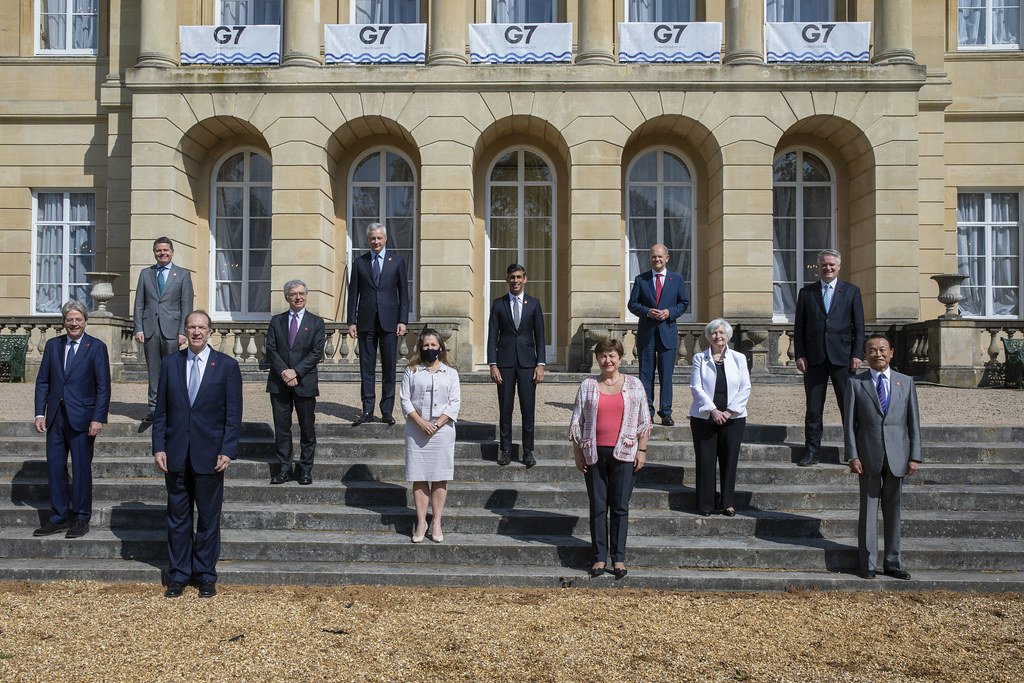
Image Credit: Flickr
G7 finance ministers met with the International Energy Agency (IEA) and other major economic institutions on the ninth of March to discuss the impact of the Middle East conflict on global markets and energy supplies. In a joint communiqué, the group said it stood ready to take necessary measures, including action to support energy supply through a possible stockpile release.
Strategic oil reserves are emergency stockpiles held by governments, or by industry under government obligation, to protect against severe supply disruptions. The IEA system was created after the 1970s oil crisis, and member countries that are net oil importers are required to hold stocks equal to at least 90 days of net imports. According to IEA chief Fatih Birol, member states currently hold more than 1.2 billion barrels of public emergency oil stocks, alongside a further 600 million barrels held by industry.
The issue has become more urgent because the US- Israel war with Iran has disrupted production and shipping through the Strait of Hormuz, a major route for global oil trade between Iran and Oman. At the meeting, ministers discussed the impact of the war on global markets, the risks to oil flows through the Strait of Hormuz, and the possibility of releasing emergency oil reserves. Birol told G7 ministers that oil
market conditions had “deteriorated in recent days” and that “all the available options” had been discussed. Two days later, the IEA announced that its 32 member countries would release 400 million barrels of oil from emergency reserves, the largest coordinated release in the agency’s history.
Such releases are intended to stabilise markets in the short term by signalling that additional supply will be made available quickly. Reuters reported that the move had an immediate effect on the market, helping to ease pressure on oil prices. But analysts warned that reserve releases can only provide short-term relief if the disruption continues.