
International Aid: More Than a Moral Imperative
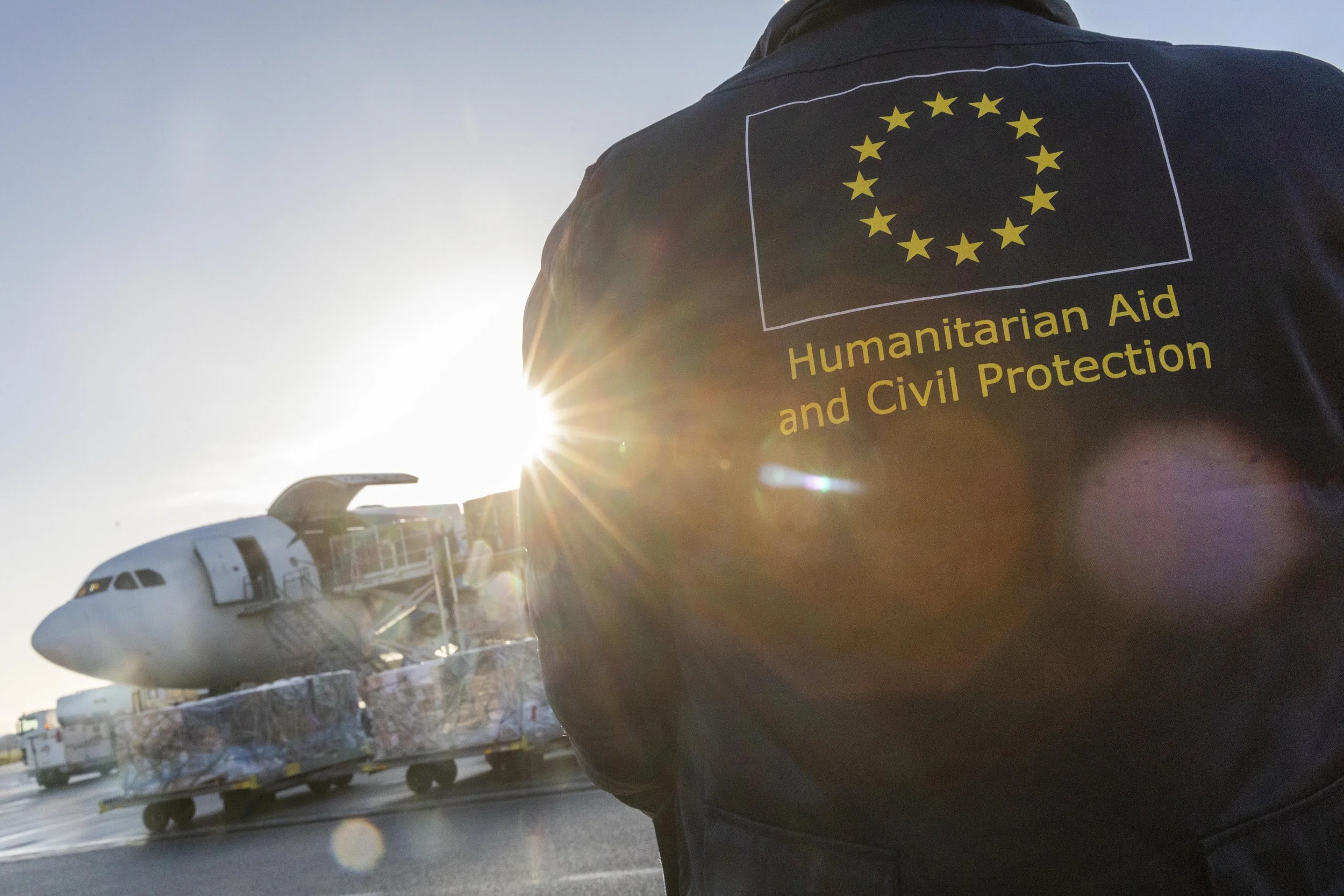
Image Credit: European Union via Wikimedia
When thrown into a crisis, one of the first things we cut loose is compassion. Sympathy is a luxury, and ruthless pragmatism a solution. This certainly seems to be the ethos of the Starmer Government, with the Prime Minister actually using the word ‘ruthless’ self-referentially during his election campaign (though given the government’s current predicament, perhaps this wasn’t a wise creed to follow). In an age of political bravado, trivial policy, and fecklessly insipid leaders, perhaps such practicality should be applauded. And yet, time and time again, we are confronted with the necessity for empathy – policy without affinity for the human is perniciously ineffective, and leaders who abandon benevolence can only cultivate cruelty. The human condition is subjective, and human problems require similarly subjective solutions. Beyond this, though, compassion is strategic. Labour’s recent cuts to the World Food Programme, and short-sighted reduction of aid to 0.3% of GDP last year, are not only moral failings, but disastrous geopolitical missteps.
Foreign aid constitutes a minuscule proportion of our overall spending, and yet its impact, for both Britain and its benefactors, is immense. Development aid builds peace, advances human rights, and ushers in stability, while humanitarian aid delivers life-saving support to vulnerable communities and protects the victims of disasters. While 21st-century politics often seems fruitless in its offerings, international aid is one of those rare policy portfolios delivering clear-cut change.
Of course, charity should require no motivation beyond simple kindness: we shouldn’t seek moral dessert for helping those displaced by a tsunami, suffering from an Ebola epidemic, or rendered homeless by an earthquake. Yet, when 61% of all adults believe that the aid budget should be first on the chopping block for further spending cuts, even when it’s already been cut back to the bone, sentimentality won’t suffice.
The conversation around aid spending has too long been tainted by corrosive and dishonest narratives of immateriality and irrelevance. Why would a voter, who can’t get a GP appointment, want more of their tax spent on faceless, foreign martyrs? Why spend more on disaster relief while our military remains crippled and impotent? Such questions are fallacious, as aid actually works to alleviate these problems. Our investments abroad reap benefits for us back in Britain, creating market access and economic opportunity, mitigating the risk of global disasters and pandemics, and advancing our soft power (which, given our lack of any substantial ‘hard power’, is really all we have). Globalisation has not only ushered in integrated prosperity, but integrated risk – the outbreak of a novel virus on the other side of the world, say, can now shut down our lives for years. In 2026, domestic security relies on international resilience.
Though I’m loath to reference the doctrine of so-called ‘Global Britain’, our current geopolitical posture requires us to project an image of authoritative generosity, and international aid remains one of the most effective instruments for retaining what remains of our reputation.
In regard to defence, which was used by Starmer to justify his slashing of humanitarian spending, aid magnifies our capabilities and mitigates those of our enemies. Investing in stability overseas preempts the possibility of violence, strengthens diplomatic relations, and addresses the drivers of security crises. China and Russia have already seized on the strategic vacuum left by USAID and other Western initiatives – stepping in to ‘help’ embattled states such as Cambodia and even Ukraine. By safeguarding fledgling democracies from the allure of such Faustian deals, the liberal world can staunch the flow of authoritarian aggression.
These arguments aren’t those of a bleeding-heart liberal (though I wear that title proudly), but any rational politico. Overseas aid makes up a mere footnote in the budget, but its impact, for both us and its beneficiaries, is monumental. Despite this, The Organisation for Economic Cooperation and Development projects that total global aid fell by 9% in 2024, and will have slumped by between 9% and 17% in 2025. Compassion is indeed in short supply, but so, it appears, is strategic sense.