
Image Credit: Sami Abdullah via Pexels
The North London Derby, one of the biggest events of the football calendar each year, full of anticipation, animosity, and rivalry. Or so you might expect.
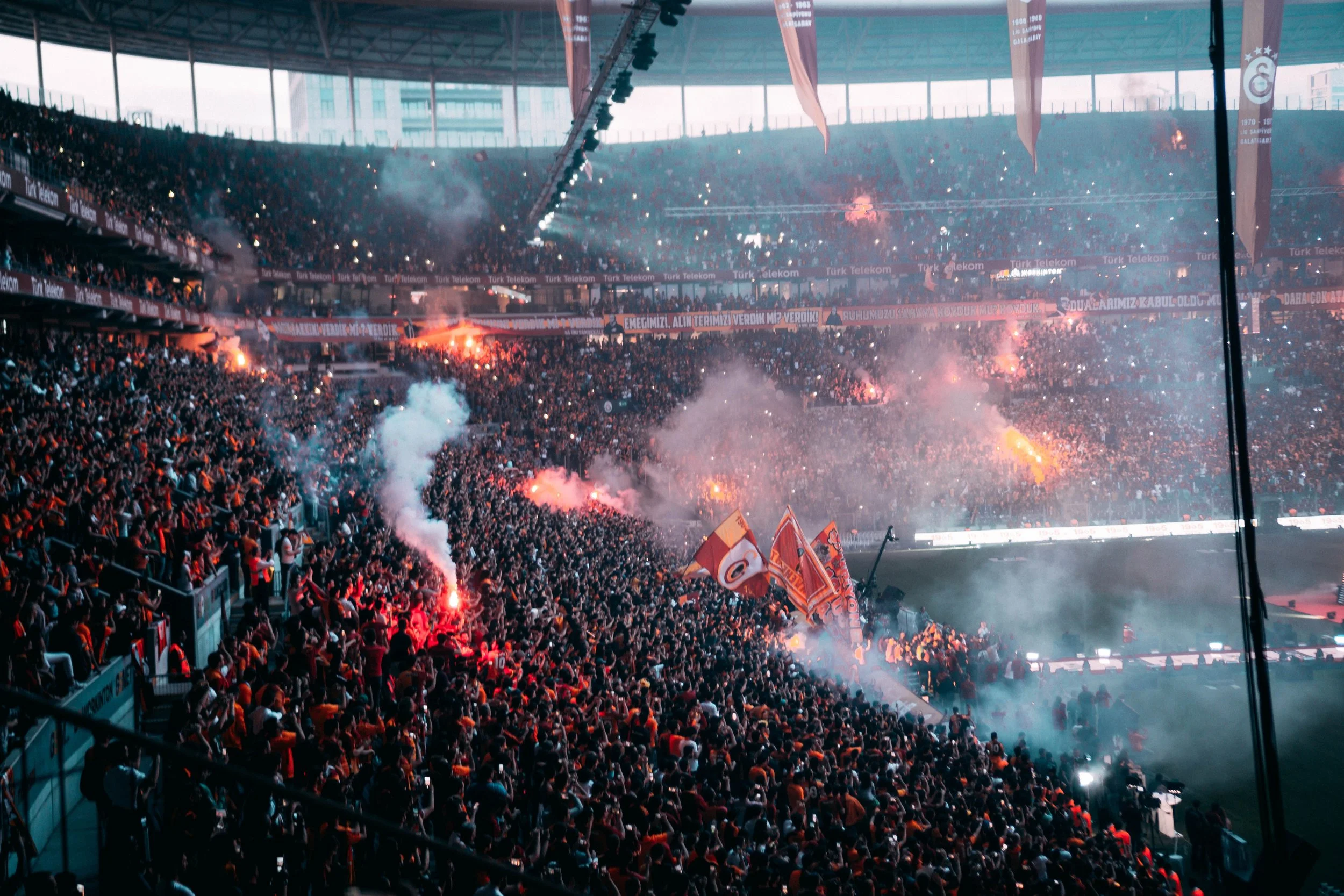
The meeting between Tottenham Hotspur and Arsenal in the Women’s Super League in October was marketed, fairly controversially, as "a big day out for the whole family". It is true that women’s football has always attracted families, but tailoring such an important match towards young kids and their parents feels a step too far. While security in the men’s game is heightened in expectation of fights, nasty exchanges between rival fans, and brawls off and on the pitch, the women’s derby brought with it a DJ, face-painters, and free giveaways.
The problem doesn’t lie in the lack of violence, football hooliganism is certainly a separate issue that needs to be tackled, but not allowing an ounce of tension is more than just patronising, it doesn’t align with the reality of the women’s game at all. The idea that female players never engage in any kind of dispute is not only idealistic but outright false. On the same weekend as the North London Derby, the derby on the other side of the river between Crystal Palace and Chelsea saw an altercation between players on the pitch, as the passion of the occasion impacted tempers. Encouraging this kind of action in the stands is dangerous, but expecting the complete opposite risks seriously infantilising the fans and the game they love.
With pre-match entertainment and marketing increasingly aimed at younger fans, being an adult fan of women’s football can often feel frustrating, and as if you don’t belong in your club’s target audience. Perhaps this is one of the underlying issues with attendance in women’s football. With the WSL seeing a decline in numbers this season, is it time to ask whether the way the women’s game is marketed strips its fans of a genuine outlet for their support? A significant change is needed in the culture of matchdays if the WSL is to see a sustainable surge in attendance beyond the boost that major tournaments provide. Making audiences want to come back is as equally important as getting them to come in the first place, and adults will certainly think twice about returning to an experience bombarded with family activities.
Maybe swearing in the stands, or shouting at the away fan in the home section, doesn’t fall into the same destructive habits that pervade men’s football at all, but instead provides an environment fit for adults that is sorely missing from the WSL. Aside from just derbies, each fixture in the women’s football calendar demands the same energy showcased on the pitch to be mirrored by the fans. Families will always be welcome, but so will those who take the WSL as seriously as the Premier League, and want to see the game grow beyond the confines of kids’ entertainment.