
Living Rooms as Bedrooms: An Acceptable Reality for Young Renters?
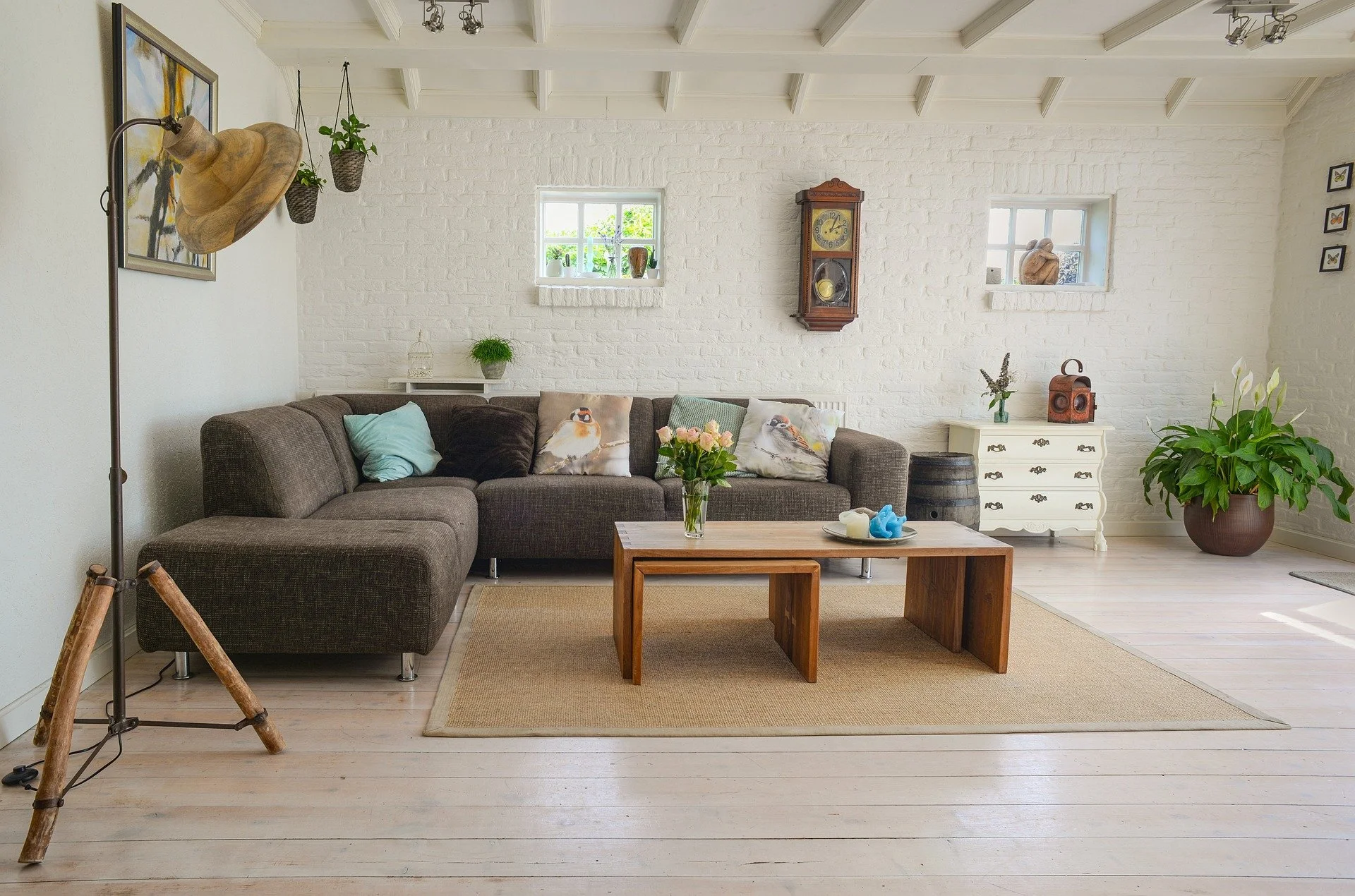
Image Credit: ClickerHappy Via Pixabay
My second year of undergraduate studies in Durham didn’t quite reflect the perpetual excitement implied by what are supposed to be ‘the best years of your life’. In hindsight, this was undoubtedly down to where I was living: five people crammed into what was originally a two-bed dilapidated house. And when your living space is scant, your headspace reflects the sentiment. My ‘bedroom’ in this particular rental had previously taken the role of the living room before a landlord decided that a ripped leather sofa in a tiny galley kitchen could effectively replace this shared space. And thus there was no room for collective experience, for shared housemate dinners or impromptu late-night sofa chats. My bedroom was my dining room, my study room, and every so often, it reclaimed its function as a living room. But a separation of work, study, personal and social spaces is arguably essential for one’s mental health.
In third-year, now in a different student house, which did include a separate living room, this shared space was a sanctuary and I found myself much happier than the year before. But it wouldn’t be a student let if there wasn’t a horror story. Once in a while, I would wake up in the middle of the night to drunk students banging on my bedroom door, leaving me in a perpetual state of anxiety. My bedroom was the ex-front room, with the front door porch providing a useful, yet horribly mouldy and perfect knock-down-ginger-bait-for-blacked-out-first-years, storage closet. This was obviously not supposed to be a functional bedroom. But, hey, if the bed fits!
With 5 people crammed into 2-bed houses, any room could be a bedroom. A living room, a 4-metre square, uninsulated storage room, a damp concrete cellar. Where there is a room, a landlord is salivating at the thought of charging you £200 per week to live in a badly converted loft where you hit your head on the ceiling every time you sit up in bed.
As of 2025, a survey from the online flatshare site, SpareRoom found that 49% of all UK renters reported that their living room was being used as a bedroom, and 29.8% of all rooms listed were within properties that didn’t include a living room at all. This was particularly true of my second-year rental, where I spent more time alone despite the house being technically overcrowded. When there’s no space to sprawl out half-alive and debrief together the morning after a night out, or to share a meal together around a table with mismatched crockery and overcooked pasta, the sense of togetherness is quite quickly lost, and relationships begin to suffer. Social connection, intimacy, shared spaces: they are the bedrock of how we maintain our mental well-being.
It is literally in the name. A living room is where we collectively live. Where we come together and form collective units of family, friends, and companions. Importantly, the space is completely non-transactional. Spending an hour huddled up on a sofa chatting with a friend about their day doesn’t require buying an extortionately priced pint or a £4 cup of frothed milk. It is a perfect metaphor for the increasingly isolated and individualistic world that we live in, highlighting how intrinsically essential these shared spaces are. But when more money can be made out of students who are already in a chasm of student loan debt, or when it is infinitely cheaper to pay someone else’s mortgage than to afford your own, landlords will be right there waiting with their pockets wide open.
The recent amendment to the UK Decent Homes Standard (2026) suggests a positive future, possibly one with more couches in functional living rooms. While the new policy does not explicitly require a living room, the ‘minimum space standard’ may make it harder not to have one, or at least limit the number of any room-turned-bedrooms permitted. But, evidently, this is not enough. Landlords will always find a way to make an extra buck. Many people will probably continue to live in inadequate rented accommodation, with no shared space to separate their work and study time from their downtime; isolated even when physically surrounded by people. Rented housing regulation is desperately needed, and the issue of declining shared spaces in homes is only a small brick in the crumbling concrete complex of private housing markets.