
Neon Nostalgia: Welcome Back, 2016
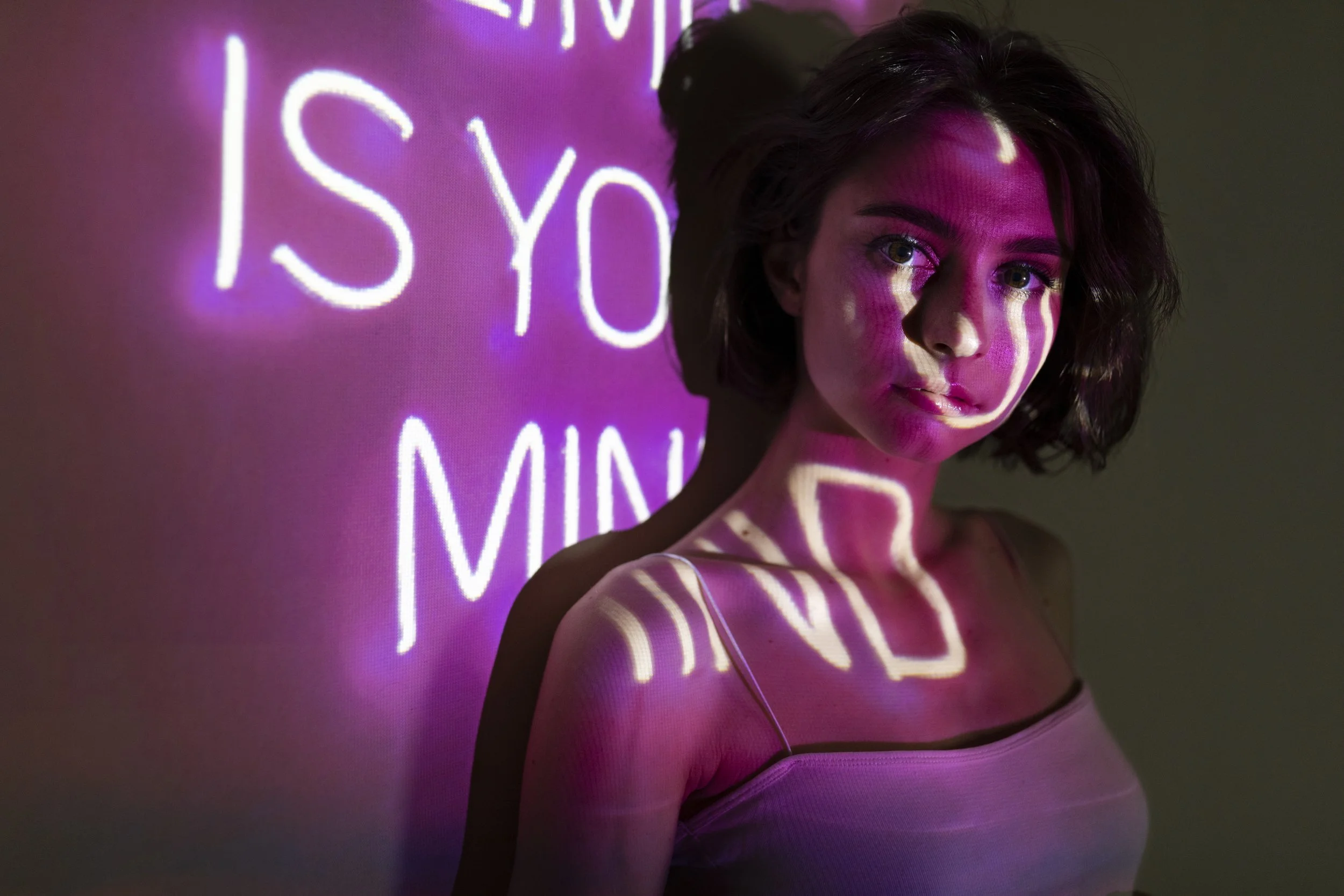
Image Credit: Via Freepik
The beginning of the New Year has been met by a blast from the past, with our social media feeds glowing with neon nostalgia. The likes of Instagram and Snapchat have been paying homage to the spirit of 2016 through a revival of Tumblr-era aesthetics, iconic dog-ear filters, and the once-ubiquitous skinny jean.
Meanwhile, TikTok timelines are soundtracked by 2016 pop as throwback Netflix clips are layered with emotionally charged hits from Drake, Rihanna, and the Chainsmokers, creating the perfect formula for nostalgia. Even A-list celebs have joined the trend: Kylie Jenner, Kim Kardashian, and Hailey Bieber have been posting carefully curated 2016 dumps on Instagram, sending their fans into a throwback-induced frenzy. This resurgence of content contrasts strongly with the ‘clean girl’ aesthetic we see today, with minimal makeup, matcha, hot-girl walks, and slick-back hairstyles dominating our timelines.
But why have we chosen 2026 to turn back to the bright, slightly messy, and hashtag-driven culture of 2016?
In the past 10 years, the world has been shaken both politically and economically: the Brexit referendum, the #MeToo movement, youth climate strikes, COVID-19, the War in Ukraine – the list goes on. With this, many have labelled 2016 as the last year when everything was ‘normal’. The shift can be defined as moving from optimism to crisis management, from digital playfulness to digital exhaustion, and, eventually, to a nostalgic retreat.
However, this return to 2016 is far from a neutral act of remembrance. Whilst we look back and narrate the year as an aesthetic time, removed from cancel culture, global turmoil, and constant dramatics, the curated nostalgia works to overshadow some of the harsh realities: the year was marked by rising polarisation, online harassment, and the building blocks of the crises that would follow.
Perhaps, then, the appeal of 2016’s return is not about reminiscing on the year itself, but carefully picking a highlight reel that allows us to retreat to a more innocent, playful version of our past selves. As for most of Gen Z, the 2016 era takes us back to a pre-teen, school-age with limited responsibilities and stress, where our biggest problem was choosing a selfie to post on our Snapchat story.
Whether the 2016 revival has allowed us to reconnect with our inner teen or to take a minute to forget the stressors of everyday life, it has definitely set 2026 off to a good start. After all, almost anything can look good with a low saturation filter and a good soundtrack.
I wonder what we will be reviving in 10 years’ time.