
The Case of Andy Burnham: Labour’s Assault on Democracy is Self-Sabotaging
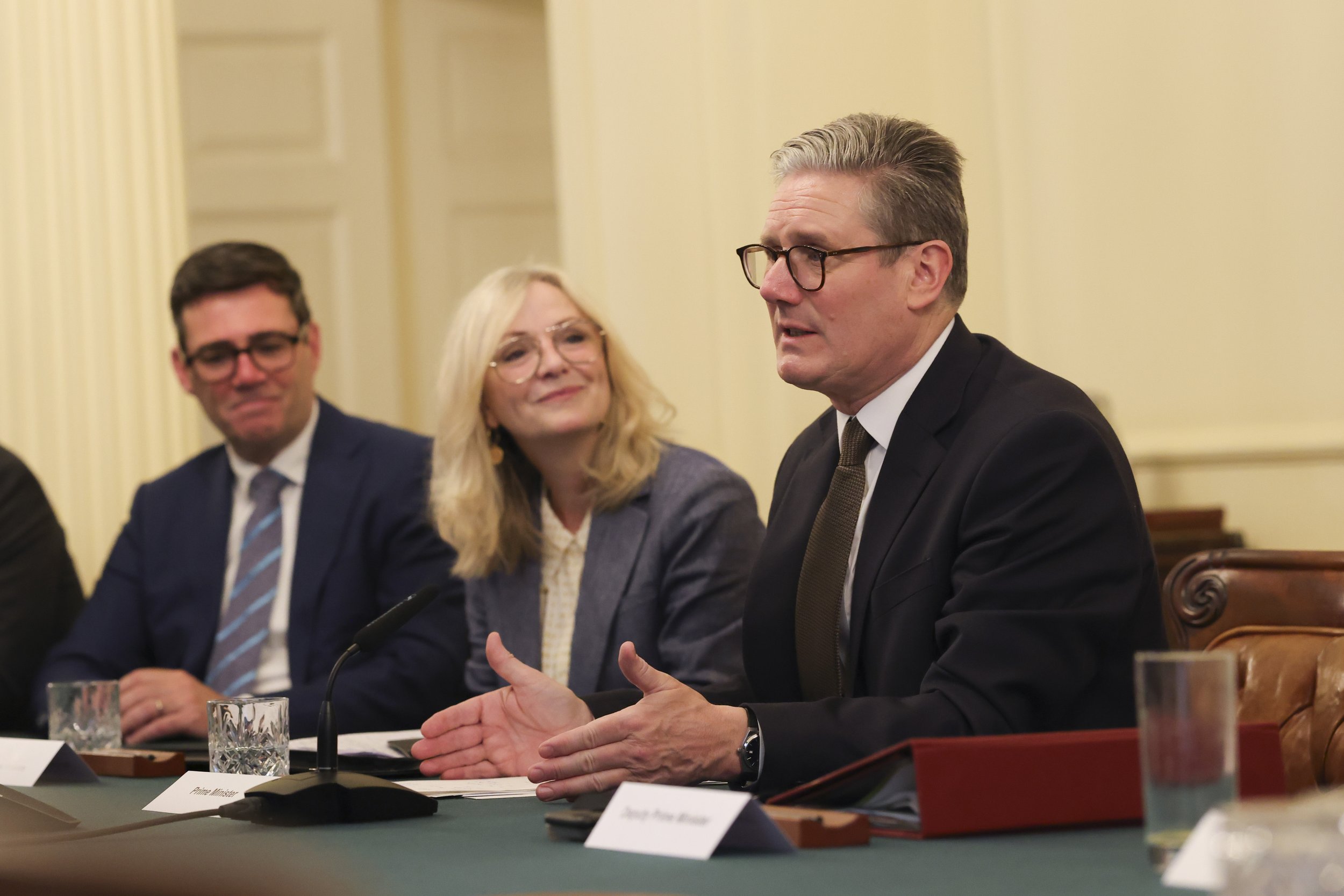
Image Credit: Simon Dawson / No 10 Downing Street via Wikimedia
Local elections in May loom over the government, and recent by-election defeats to Plaid and Reform offer fresh reminders of the party’s sinking popularity to Labour MPs. A new contender places his bid for the Gorton and Denton by-election; Burnham is the perfect candidate. Popular with the electorate, he is one of the few politicians to have a positive net favourability rating. Regarding the by-election, he is already a leading figure in Manchester, having recently won the mayoral seat with an impressive 63.4% of the vote.
For the National Executive Committee, i.e., the committee guiding the party's strategic direction as a whole, the decision to approve should have been a no-brainer. Victory would provide a new, positive message for voters. A message that the national polls predicting annihilation are fantastical, and that Labour is not a party of U-turns and dysfunction, but talent and popularity. Most of all, it would assert that Manchester, a keystone of the great “red wall”, is safe. And yet, when this opportunity was presented to the NEC, they delivered an astounding 8-1 “No.”
The decision to block Burnham sends quite a different message: Starmer and his allies in the NEC would rather have the party humiliated for a third time than risk any chance of a leadership challenge. This isn’t the first time Starmer has made damaging decisions to protect his position. Late last year, Starmer’s allies gave those famous, reckless briefings to journalists, accusing Wes Streeting of mounting a leadership challenge. The aftermath forced the minister to publicly pledge his faithfulness to his leader, as if he were serving under some omnipotent dictator. Indeed, the decision to delay local elections raises questions regarding Starmer’s commitment to democracy.
There is likely an ounce of truth in those briefings, and the publicity probably did achieve its goal of scaring Streeting away (for now). Yet the outcome was a series of embarrassing headlines and a reminder to the public of those tumultuous Tory years, riddled with leadership challenges and infighting. Division in a party is deadly, and Labour should be well aware of this by now, given its history.
By protecting his own interests, Starmer has paved the way for his own political demise. The by-election is set to take place on the 26th of February, and so far, the forecasts aren’t looking favourable for Labour. According to a recent poll from FindOutNow, Reform are set to win the seat with 36% of the vote (excluding undecided voters). If Reform do win, it wouldn’t be far-fetched to attribute their victory to the Burnham ban. Already, 50 Labour MPs have written an anonymous letter to the government opposing the decision, 30 envelopes away from the number needed to trigger a leadership challenge under Labour laws. Just over 2 months after the by-election, “Judgement Day” begins with the beginning of local council elections. Based on general election voting intentions, a Reform win seems increasingly likely.
Of course, Starmer is doing his utmost to mitigate the damage and gain some victories in May. It’s almost impossible to board a train in England without spotting the “Rail Fares Frozen” poster. The promotion of the ground rents cap also springs to mind. The proximity of these positive announcements to the local elections is no coincidence.
Yet in the case of Starmer’s defenestration, who could take over? Can Wes Streeting, a Blairite, really gain the support he needs in such a left-leaning party? How could Burnham compete now that he’s been relegated to the sidelines? Starmer’s ousting now seems almost inevitable - the question is, then, who will replace him?