
The Pi Perspective: Week 10
At Pi Online, we are a massive group of editors who work together to curate content for the website. But who are we really? What do we like, dislike, observe, think?
Each week, we’re pulling back the curtain with a new editorial spotlighting what’s been on our minds.
Editors-in-Chief
This week, I did something mildly unhinged: I watched Bollywood’s latest, Dhurandhar: The Revenge, which clocks in at 3 hours and 55 minutes. Naturally, multiple people asked how I planned to cope without Reels, which – if that was also your immediate concern – may mean Oxford was right to crown brainrot its Word of the Year for 2024.
I went in with friends, snacks, and high expectations. The film itself was mostly great, but the best part was what came with it. The running commentary, stupid jokes, cuddles, and “what next?” looks between scenes.
Because, really, the cinema is less about the film and more about the people you’re watching it with. The true experience lies in the shared reactions, collective gasps, and the one person in the back laughing way louder than necessary. And London audiences, in my experience, revel in the community adventure.
So, not to add to your Easter to-do list, but go watch something. Sit in a dark room with your friends and commit. Not everything needs to be consumed in 30-second clips. Your attention span will survive.
News
Blue skies and warmer weather have been a welcome change this week, heralding the start of spring and bringing an optimism that coursework deadlines can’t completely overshadow. The nicer weather has inspired me to think of the good news headlines from the past week (which was no easy task). Since the good weather has given me a newfound desire to get outside and do things, I was particularly interested in the published announcement of the UK’s most visited tourist attractions in 2025 from this week.
Naturally, the list was dominated by London. What was unusual was that this year the list was topped by the Natural History Museum, ending the British Museum’s winning streak. I haven’t visited the Natural History Museum since I was a child, although I still have fond memories of the awe-inspiring blue whale skeleton and the escalator through the planets. While in London, I’ve focused so far on visiting sites of historical interest, fitting for a history student, such as the Tower of London or Hampton Court. The Natural History Museum’s popularity has reminded me that perhaps it would be good for me to step outside of a self-imposed history bubble and embrace some of the wider attractions London has to offer. Perhaps the wisdom of crowds will help me discover, or rediscover, some of London’s must-see places.
Features
Today, I opened TikTok to find something truly distressing. UK Labour’s official TikTok account had posted a tiktok captioned ‘Keir Core 🌹’ with Tame Impala playing in the background. Naturally, I went on their profile to discover what other shenanigans they have been up to. I found more comically unserious edits of the Prime Minister to songs such as Gnarly by Katseye, The Way You Are by Milky, and I Ain’t Worried by OneRepublic.
This strategy, doubtlessly an attempt to entice younger voters who are increasingly shifting away from Labour and towards the Greens, seems almost counterproductive. Creating memes rather than focusing on creating and communicating policy is making our politicians seem profoundly unserious, and in turn, helping trivialise not only the policies highlighted in these edits, but also politician’s capacity to enact real change. People are already extremely fed up with politics – just look at the Gorton and Denton by-election results. Presenting the PM as an entertainer and making him the star of thirst traps won’t do anything but harm his image and the UK’s politics landscape. Instead, sit him down and give him a platform to talk about the things that the media doesn’t report on, make him answer common questions, and get him to promote tangible policy decisions. The PM and the Labour Government as a whole have significant power over the issues that matter to us most and they should act accordingly.
Opinion
If you’ve been on campus at any point during the past week, you’ve probably been ambushed by an SU Sabb hopeful shoving a flyer in your face, bribing you with a mini pack of Haribo gummy bears or a Tesco cupcake in exchange for your vote. Most recently, during a 1am Student Centre vending machine run, I was promised by a Postgraduate Officer candidate that, if elected, he would hand-deliver food to me in the library in the middle of the night.
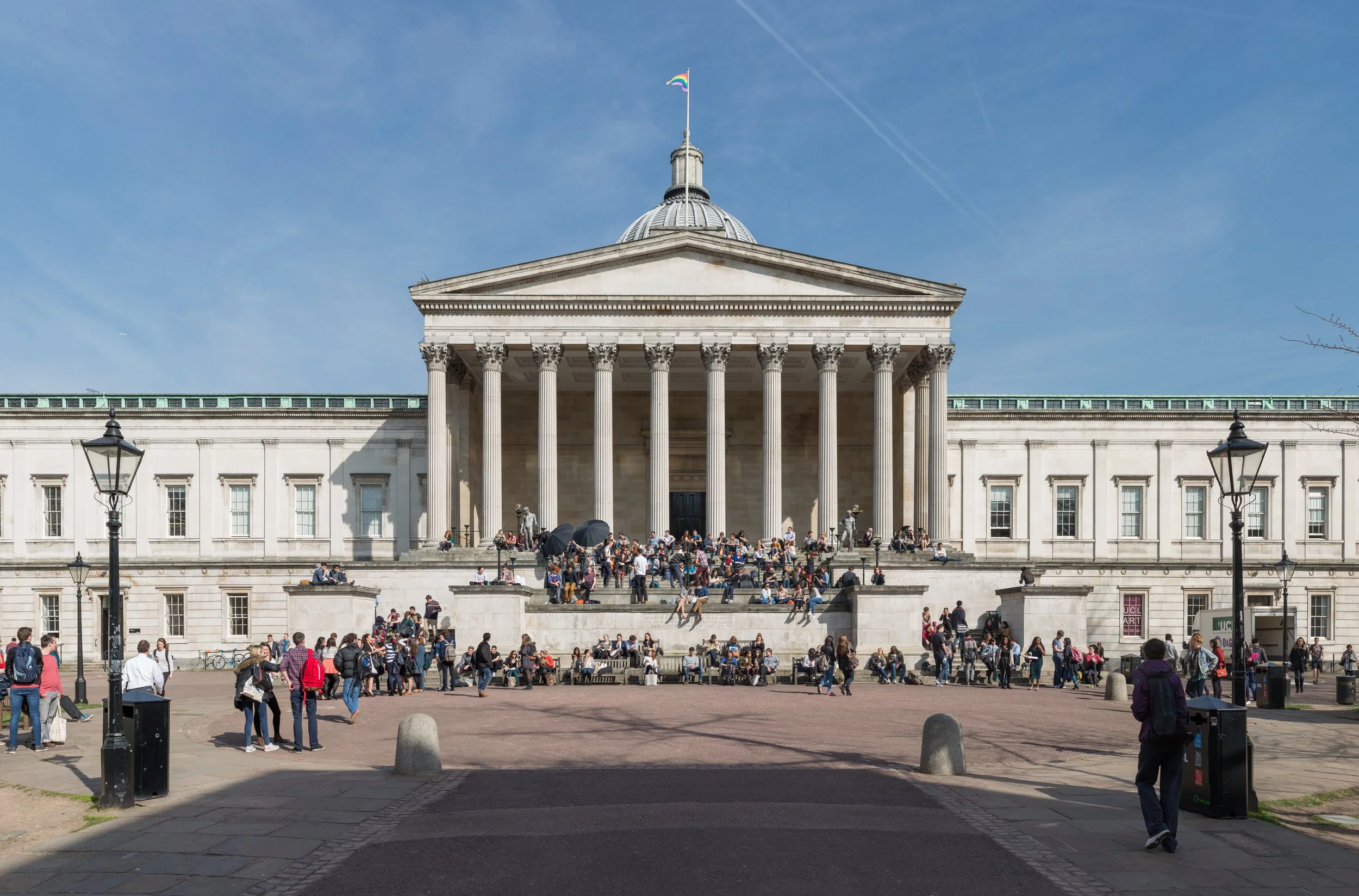
However inconvenient it may be to be cornered on your way to class, it’s inspiring to see students so passionate about improving the quality of education and student life at our university. I can’t help but feel that the banners and posters plastered across Portico bring some life to its austere facade, a reminder that our campus is shaped by its students.
Lifestyle and Culture
There are few things more evocative of British summertime than a glass of Pimm’s. The moment the sun dares to break through the clouds (even fleetingly), I find myself craving that unmistakable blend of fruit, fizz, and gentle booziness. It’s less a drink and more a seasonal ritual: a signal that, however briefly, the sunshine has arrived.
Part of the charm lies in its versatility. You can go all in at home, slicing strawberries, cucumbers, and citrus, layering flavours into a jug in a manner that feels almost ceremonial - before you’ve even taken a sip. Or you can leave it to the trusty bartenders and settle into a beer garden, where condensation beads on tall glasses and the soundtrack is equal parts laughter and clinking ice. Either way, the experience feels distinctly, comfortingly British.
What’s remarkable about Pimm’s is how transportive it is. One sip, and you’re no longer just standing in a patch of sunlight: you’re courtside at Wimbledon, the soft thwack of tennis balls echoing in the background. You’re at a back garden barbecue, the air thick with the scent of grilled food and freshly cut grass. You’re surrounded by breezy conversation, floral sundresses, and that rare, collective optimism that only good weather seems to bring.
In a country where summer can be unpredictable at best (and non-existent at worst!), Pimm’s becomes more than a drink – it’s a way of holding onto the moment. A glass raised not just to the fickle sunshine we have, but in praise of summer itself.
Science and Tech
Recycling often feels like the bare minimum to qualify as an eco-conscious citizen - but what does it actually achieve?
In light of an upcoming internship interview (wish me luck!), I’ve been looking more closely at what we (self-proclaimed eco-warriors) are really doing about plastic waste. The routine is simple: finish your drink, rinse the bottle, and place it in the suitable, forest green bin. It feels productive, almost virtuous.
From there, plastic is sent to a Materials Recovery Facility (MRF) (reminiscent of the chicken pie machine in Chicken Run (2000)), where it’s sorted, shredded, and remade into pellets via mechanical recycling. On paper, it sounds like a neat, circular system. In reality, it’s far more limited.
Only certain plastics, mainly PET from drink bottles and HDPE from milk containers, are reliably recycled. Soft plastics such as cling film and crisp packets aren’t recycled at all and are typically incinerated (think of that scene in Toy Story 3 (2010) at your peril).
However, there are emerging alternatives, such as chemical and biological recycling. Biological recycling is especially fascinating, as it uses enzymes and microorganisms to break down plastics that current systems simply can’t handle, without using any energy at all.
These technologies aren’t yet widely implemented but they point towards a more sustainable, circular future where a far greater range of plastics can be truly recycled.
Sports
Another week, another AFCON controversy. For the first time in history, a cup final result has been overturned, sending shockwaves through the football community.
Morocco played Senegal in the extremely heated AFCON final in January 2026, with the final score being 1-0 to Senegal. However 57 days later, the CAF ruled that as the Senegalese players violated Articles 82 and 84 of the Regulations of the Africa Cup of Nations, their 1-0 victory would be overturned, giving the AFCON title to Morocco.
The controversial call was made after Morocco won a penalty from a VAR review of a foul on Brahim Diaz. Senegal disagreed with this decision, leading all but one of their players to leave the field in protest. 17 minutes later play resumed, with Morocco failing to convert the penalty, and Senegal’s Gueye scoring in extra time to win them the title.
As a result of this call. Senegal are refusing to handover the trophy, and have made allegations of corruption against the CAF. The Senegalese FA have confirmed they will appeal the decision and fight for their country’s victory to be reinstated.
This is the first time in history that a cup final result has been overturned, and will without a doubt lead to a lengthy legal battle between the two nations and the CAF. This unprecedented result marks a historic moment in football history, and begs the question of whether there should be a right to decide match scores in a boardroom, or whether, despite poor behaviour, initial match results should always stand.