
Three Years, 70% Growth: How Women Came to Define the BRITs 2026
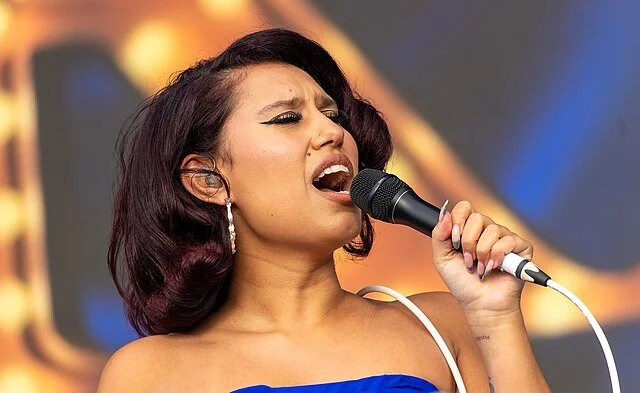
Image Credit: Raph_PH Via Wikimedia Commons
UK music is once again at the centre of the global conversation. This year’s Grammys saw British artists winning big, most notably Olivia Dean’s emotional Best New Artist win and Lola Young’s disbelief as she took home Best Pop Solo Performance. Young British women were showcased on centre stage, recognition that has naturally turned attention back to the UK, where the BRIT Awards are finally beginning to reflect the impact British women are already having worldwide.
With nominations announced, women dominate the 2026 BRIT Awards, accounting for 69.2% of all nominations - a shift that feels refreshing, overdue and well deserved.
The resurgence of female British songwriting has been driven by authenticity. The conversational honesty of Olivia Dean, RAYE, Lily Allen and Lola Young has reshaped what mainstream pop can sound like: emotionally clear, observational and rooted in the bleak mundanity of real life. Though their genres and personal tribulations differ, the impulse to confess remains constant, whether they’re yearning for romance without commitment, reckoning with divorce or navigating messiness in all its forms.
Celebrated with five nominations, Olivia Dean’s career has blossomed with the release of The Art of Loving, a multifaceted exploration of intimacy in all its complexities. The album captures both the grief of losing love without explanation and the calm resolve of choosing to walk away. On ‘Loud’, she sings, “I understand if you changed your mind about me / all you had to do was say,” bringing the song’s emotional turbulence to a close as she unweaves herself from the shock of sudden silence. Pivoting from this, the lead single ‘Nice to Each Other’ rejects romantic expectation altogether, romanticising the ease of a fleeting connection: “But if I come to Italy / we could be nice to each other”. Onstage, Dean’s breezy demeanour mirrors her whimsical production, dancing lightly as she sings of how easy it is to fall in love with her.
In contrast, Lily Allen’s surprise release West End Girl reads as a confessional. Written in the aftermath of her divorce, the album confronts the collapse of her marriage with cutting simplicity: “How’d I get caught up in your double life?”.
RAYE’s Glastonbury debut of ‘Where Is My Husband!’ propelled the song to global success, earning her the first UK Official Charts number one of 2026. A master of live performance, she transforms playful, frustrated pleas into a defining moment of her stage presence, confirming that her success extends far beyond My 21st Century Blues and her record-breaking BRIT Awards sweep in 2024.
Although the 2026 ceremony takes place outside London for the first time (hosted at Manchester’s Co-op Live Arena), the leading female nominees still largely hail from the capital. What unites them, however, is an understanding that vulnerability is not a weakness, but a starting point.
The contrast over just three years is stark. In 2023, the absence of any female nominees in the Artist of the Year category exposed persistent flaws in how British female artists are recognised. Now, seven of the ten nominees are women. While this 70% shift appears progressive, it raises a more uncomfortable question: do the BRITs require global success before acknowledging female talent? These artists are not new discoveries. They have been grafting for years, shaping cultural conversations and modern musical taste long before international acclaim. The impact of women in music can no longer be ignored and, at last, they receive their flowers.