
What Does ‘Louis Theroux: Inside The Manosphere’ Actually Achieve?
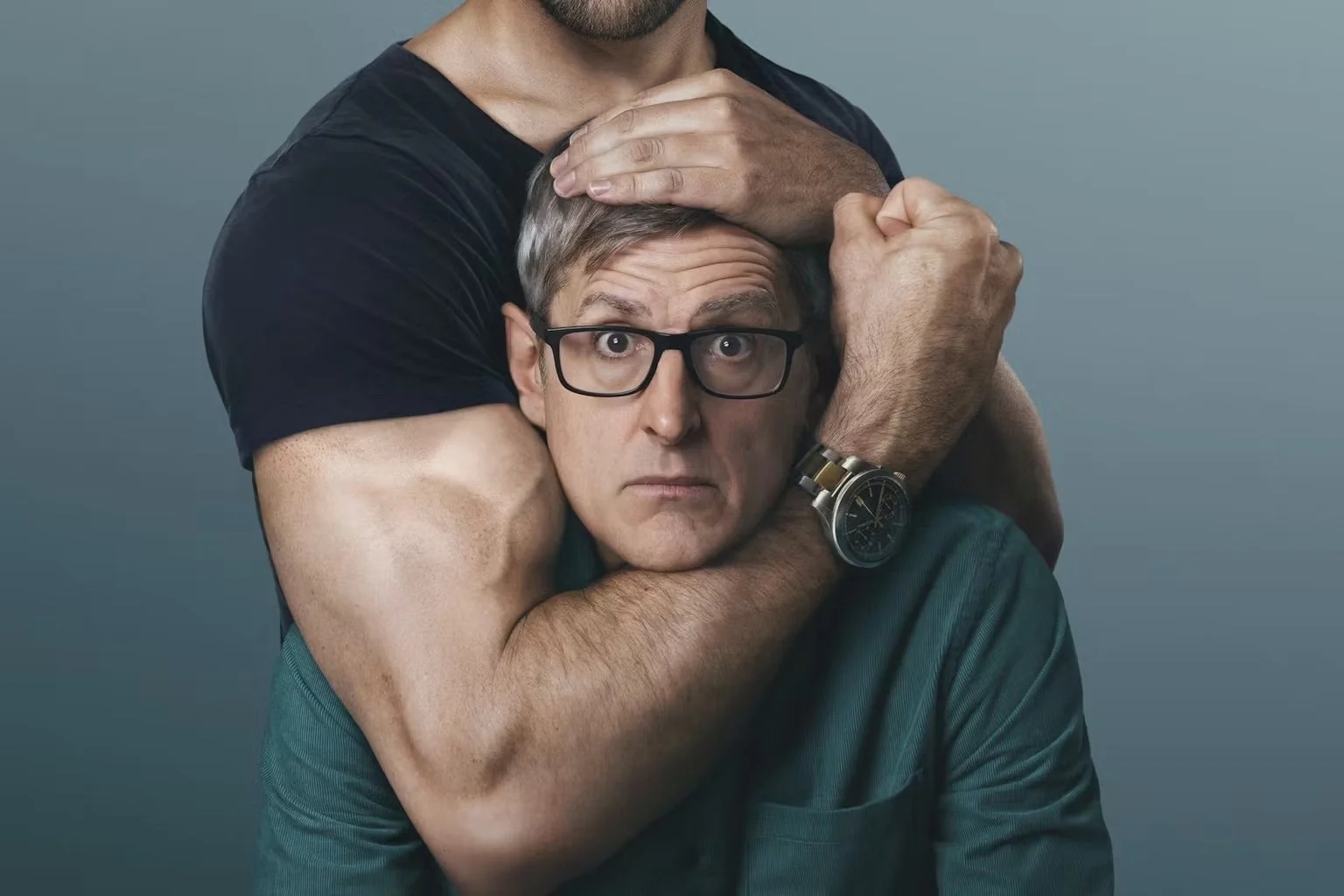
Image Credit: Netflix
One year after the Emmy-winning drama Adolescence traced the toxic feedback loops of online masculinity through fiction, Netflix returns to the digital underworld – this time without the cushion of narrative distance. In a 91-minute documentary, veteran filmmaker (and National Treasure) Louis Theroux descends into the “manosphere”: the loose, lucrative network of influencers peddling misogyny, homophobia, and conspiracism to young male audiences. The film is frequently compelling and often deeply unsettling. Yet when the credits roll, an uncomfortable question lingers: beyond placing these ideas under a brighter spotlight, what exactly have Theroux and Netflix managed to accomplish?
Long associated with the gentle ambush of the modern “hit-piece”, Theroux is greeted by many of his interviewees with a mixture of wary amusement and quiet hostility. Harrison Sullivan – better known online as ‘HSTikkyTokky’ – immediately warns friend and fellow creator, Ed Matthews, to “be careful of this fella, mate”, laughing as he remarks that Theroux “looks like he’s a friend” before settling on the verdict that he has an “evil smile”.
Theroux’s technique, as ever, is disarmingly simple. Feigning mild curiosity (what Lucy Mangan refers to as “the ignorant-ingenue approach”), he prods at the contradictions in the men’s rhetoric with plain-spoken questions, allowing long silences and awkward clarifications to do most of the work. When the facade inevitably slips, Theroux turns briefly to the camera with the faintly incredulous expressions that have become his trademark – a look somewhere between anthropologist and Jim Halpert.
Noticeably missing, however, is the figure whose shadow looms over the entire project. Andrew Tate – the far-right influencer, self-styled guru of hyper-masculinity, and a man currently facing human trafficking charges – is invoked repeatedly, not least because of his close friendship and business ties with Justin Waller, whom Theroux meets in Miami. Yet Tate himself never appears. Theroux has recently admitted that, having reached out to Tate, he found himself caught in “a long back and forth with Andrew Tate [...] that didn’t kind of go anywhere.” The absence is striking: a documentary about the gravitational pull of the manosphere in which its most notorious figure remains just out of frame.
In Tate’s stead, Theroux assembles a gallery of orbiting personalities: Myron Gaines, Nicolas De Balinthazy (Sneako), and others who transform outrage into engagement metrics. Their rhetoric veers between adolescent bravado and something much darker. The most revealing moment arrives when the camera shifts away from the performers themselves and towards the women around them: partners, collaborators, even Sullivan’s mother; encounters that briefly puncture the theatrical masculinity on display.
Theroux’s own identity also plays a quiet role in granting him access. Critics sometimes argue that documentaries about online misogyny ought to be fronted by women, yet the reality may, unfortunately, be more cynical. As a straight white male – and a household name – Theroux occupies a position these influencers instinctively recognise as non-threatening, even familiar. Perhaps it’s precisely this cultural proximity that allows him through the door.
That said, the hospitality doesn’t last. During filming, Sullivan launches a series of online attacks, mocking Theroux as a “p*ssio”, derogatively calling him “gay” after he achieves a low score on a punching machine, and joking about his “Jew fingers”. When Theroux calls Sullivan out on his blatant antisemitism (as videos circulate of the influencer chanting “F*ck the Jews”), the content creator insists the provocation is merely strategy: “clip-farming” to increase viewership. Hatred, in other words, as a monetisation model.
Moments like these give the documentary its sharpest edge. But they also expose its central limitation. Theroux’s particularly Left-leaning audience – myself (and my “I gotta get Theroux this” laptop sticker) included – already knows this world is poisonous and thus arrives primed to be appalled. The danger is that the feature functions less as intervention than confirmation – a mirror reflecting liberal disgust back onto itself.
Theroux has always excelled at revealing strange moral ecosystems; what remains uncertain is whether simply observing this one does anything to disrupt it. The manosphere, after all, thrives on attention. Even the most elegant exposé risks becoming just another signal in the feed.