
Where Have All The Lesbians Gone?
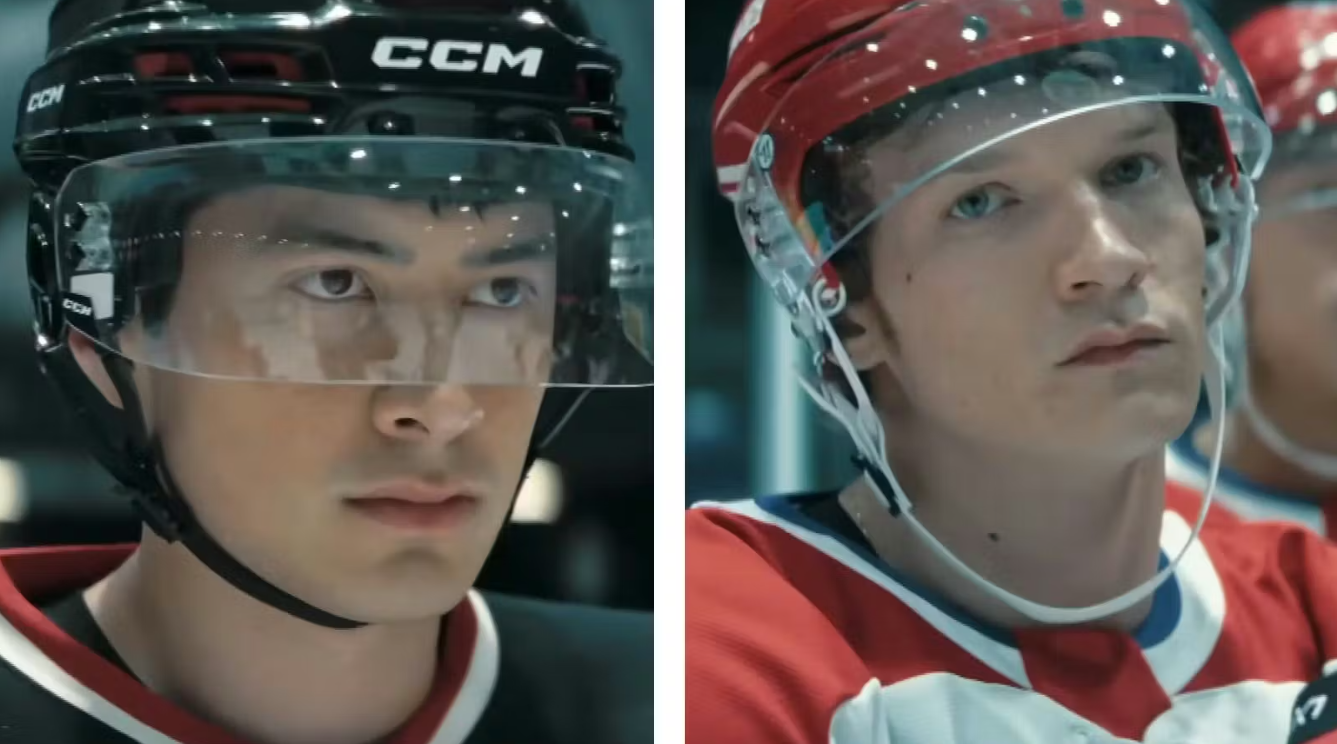
Image Credit: HBO Max via Heute.at
At work last week, serving lattes and scrambled eggs to weekend brunchers, I spotted a customer sporting a cap embroidered with the (now infamous) words, “I’m coming to the cottage”. Within seconds, we were squealing over our mutual obsession: Heated Rivalry, the gay Canadian hockey romance which took the world by storm this Christmas. The TV adaptation of Rachael Reid’s novel sparked extensive controversy over the highly explicit sex scenes, yet simultaneously skyrocketed the careers of its cast. Realistically, this ‘explicitness’ is no racier than the heterosexual content you’d see on any other HBO drama. In fact, the show has been praised by others for its authenticity, with consent, desire, and a tenderness you don’t tend to get in typical portrayals of two men having sex.
Heated Rivalry, Young Royals, Heart Stopper: positive male gay representation (albeit largely white men) is at the forefront of popular media, with queer love portrayed without the tropes that pigeonhole gay relationships as ultimately unrequited or wholly devastating. Showing queer sex so plainly and authentically at a time of increasing instability for queer communities is more important than ever; this unapologetic on-screen visibility is, and always has been, inherently political.
But, leaving this brunchtime interaction, I was left wondering whether a lesbian equivalent show would get the same reception as the one that leaves worldwide fans sporting £50 Etsy baseball caps personalised with embroidered series references. Evidently, the lesbian representation isn’t really there in the first place to make any conclusive judgment. Where are the fun romance dramas where we see women fall in love without the constraints of the male heterosexual gaze? Where are the sapphic slow burns? The butch bookstore meet-cutes and enby enemies-to-lovers?
2009 saw the end of the quintessential lesbian powerhouse, The L-Word. Spanning six seasons, it centred on the lives and relationships of an eclectic lesbian friendship group, and was groundbreaking in its representation of a community rarely spotlighted in popular media. Since then, productions that centre on lesbian protagonists have been on a visible downturn. Not to say we’re not there at all. The lesbian is the side character, a subplot, or killed off after finding love. When a more progressive script has made its way past the production gatekeepers of streaming hegemons, the show inevitably gets the big axe after a single inconclusive season: I Am Not Okay with This, First Kill, Everything Sucks!, to name a few.
It seems that with proximity to so-called ‘manhood’ or ‘masculinity’ comes more acceptance from (and marketability to) queer and straight communities alike. Lesbians represent all that is anti-establishment – rejecting hetero-patriarchy and wholly decentring men from the narrative, sitting outside the ideals of a rigid system which the media doesn’t know how to promote, or the audience doesn’t know how to consume. But, without pornifying lesbians for straight male audiences, sapphics are left with little representation at all, because the market just isn’t ‘profitable’ enough.
Recording artists Reneé Rapp and Chappell Roan have shown us another side of the sapphic story, that openly lesbian media has a far-reaching, diverse audience, if given the chance to establish itself. But music can only go so far. The stories told in film and TV have the capacity to represent, to educate, to touch people. If nothing else, to show that little girl struggling to understand herself that her feelings are not only normal, but beautiful.
So, I leave you with my final thought: when are the lesbians “coming to the cottage”?