
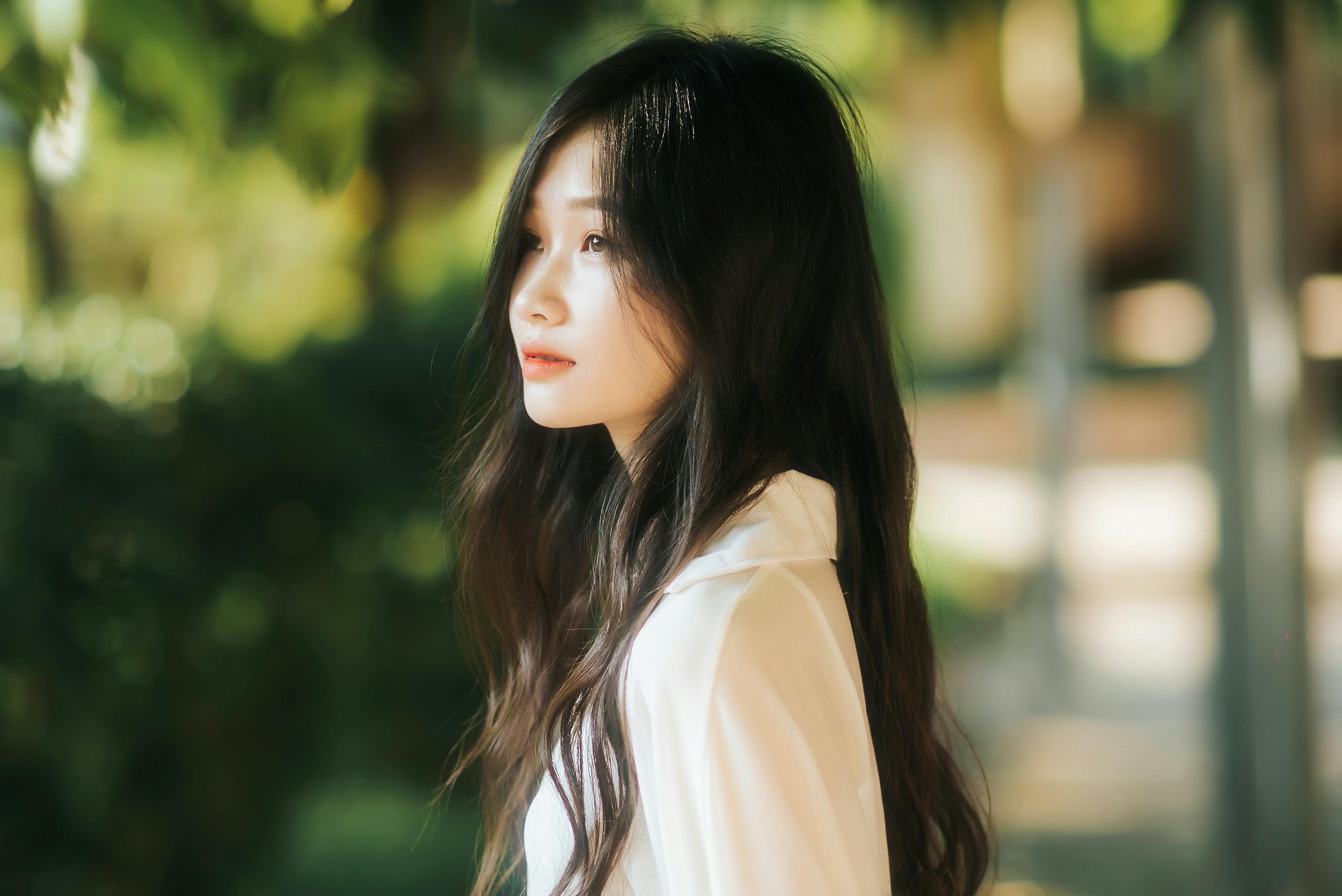
Image Credit: Chuot Anhls via Pexels
It’s 8:27am. She’s already been to yoga, hair is slicked back, face guasha-ed and jade rolled. ‘Clean-girl’ makeup routine is done, a ceremonial-grade matcha latte in her ribbed glass cup. These lifestyle aesthetics have long been dominating Western social media, turning into trends and the newest ‘it girl’ standards. What has become clear is that the ‘it girl’ might look Western, but her aesthetic increasingly draws from Asia.
The idealised lifestyle has always shifted with cultural cycles, yet young women are repeatedly drawn toward the same promise of a ‘perfect’ self. The ‘it girl’ (alternatively: ‘that girl’) archetype, which rose to prominence on TikTok in 2021, presents a woman who has her life meticulously together: disciplined mornings, curated wellness routines, effortless natural beauty. In recent years, this ideal has increasingly been shaped by practices rooted in Asia. Gua sha tools, long used in Chinese households, are rebranded as luxury wellness secrets; matcha, a centuries-old Japanese tradition, becomes a popular wellness ritual. Yoga, rooted in ancient Indian spiritual practice, now circulates primarily as a lifestyle accessory within Western wellness culture. It's apparent that what once appeared niche now defines aspirational femininity.
Yet admiration and aestheticisation are not the same thing as understanding. For years, many of the traits now celebrated under the ‘it girl’ label were flattened into stereotypes when attached to Asian women. What was once dismissed as ‘plain’, ‘boring’ or overly studious is now reframed as chic minimalism. The aesthetic travels easily, detached from the people who embodied it long before it trended. This reflects what scholars describe as the commodification of culture: traditions stripped of context and repackaged as consumable aesthetics.
As an Asian woman living in London, I watch these trends being put into practice on a daily basis. There is a strange duality in it — feeling momentarily admired yet persistently misrecognised, visible yet never fully understood— all stemming from the injustice of watching parts of my own culture become trends while their origins remain largely ignored. And yet, I participate. I order the matcha, book the yoga class, calibrate my mornings around rituals that signal discipline and desirability. The appeal is undeniable, which is precisely what makes the tension so difficult to resolve.
This pattern is not unique to Asian culture — from Black hairstyles rebranded as runway trends to South Asian jewellery marketed as bohemian chic, Western aesthetics have long borrowed from communities they once marginalised. The question is not whether cultures should communicate as they always have, but who gets glamourised for these traits and who remains confined by them. Perhaps the issue isn’t about the ‘it girl’ being just an Asian girl, but about her desirability growing only once detached from her identity.