
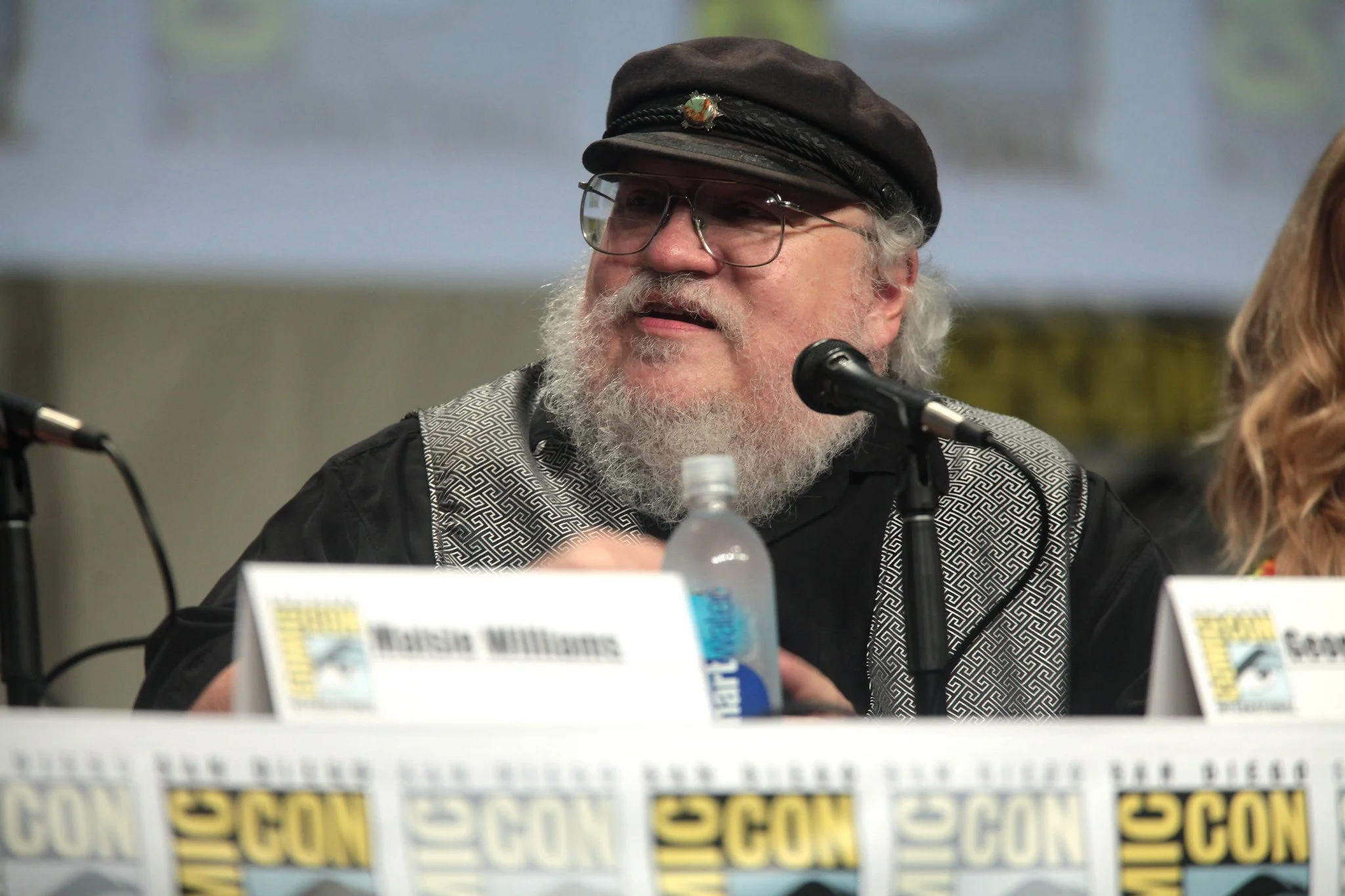
Image Credit: Gage Skidmore via Flickr
We all know Game of Thrones’ long-awaited finale turned out to be a massive failure, and House of the Dragon seems to be similarly succumbing to conflict, with A Song of Ice and Fire author George R. R. Martin even going as far as to refer to the behind the scenes tension as ‘abysmal’. However, the newest instalment in the Game of Thrones universe, A Knight of the Seven Kingdoms, might just be guiding the franchise down a path toward redemption.
The show, which premiered in January and aired its season finale episode on February 22nd, marks a shift in tone and subject matter for the franchise. While its predecessors are large scale dramas following ensemble casts through interwoven plotlines, Knight grounds itself in a single location over the span of only a few days. Focusing on its protagonist, a knight called Ser Duncan (played by Peter Claffey), the series follows his unlikely friendship with his new squire, Egg (Dexter Sol Ansell). The show depends on the dynamic between the knight with more brawn than brains and the clever, adventurous boy to drive its plot, and, luckily, the performances of these emerging actors are much to their credit.
While this change in scope and subject matter – combined with a lack of Hollywood names – might have made fans initially question Knight’s entertainment factor, the series has certainly proved itself worthy of some praise: its fourth episode (ironically named ‘Seven’) achieving the franchise’s highest IMDb rating since an episode from Thrones’ seventh season and its penultimate episode, ‘In the Name of the Mother’ nearly dethroning Breaking Bad episode ‘Ozymandias’ as IMDb’s highest rated.
The series’ success can, perhaps, be attributed to its adherence to its source material, Martin’s Tales of Dunk and Egg novellas, a standard which Thrones and Dragon have certainly not met. This faithfulness seems more important than ever to modern audiences, especially in the wake of controversy surrounding Emerald Fennell’s Wuthering Heights (which appears to have thrown book-accuracy out the window).
The show immediately distinguishes itself from the rest of the franchise by abandoning a grand opening credit sequence accompanied by that instantly recognisable Game of Thrones theme, instead opting for cold-opens. It continues this differentiation through music by including notably out-of-place jazz music and even ends its final episode with a 1940s country song. The series is further defined by its skilful balance between comedy, violence, and tenderness: after it breaks down any notions of seriousness with irreverent moments of crude, bodily humour, it builds itself back up with epic battle scenes, plot-twists, and cliff-hangers.
Essentially, Knight’s unique narrative may be exactly what has allowed it to return its audience to the Game of Thrones golden age. Without the troublesome necessity of juggling intersecting plotlines, cutting details for time, or developing upon Martin’s writing, the crew behind the scenes of Knight has taken the time to develop every aspect of the show to the best of their capabilities. Although they may perhaps be wary of putting their faith back into the Thrones franchise, fans can certainly trust Knight and look forward to its second season.