
Cooking at Uni: The Student's Culinary Companion
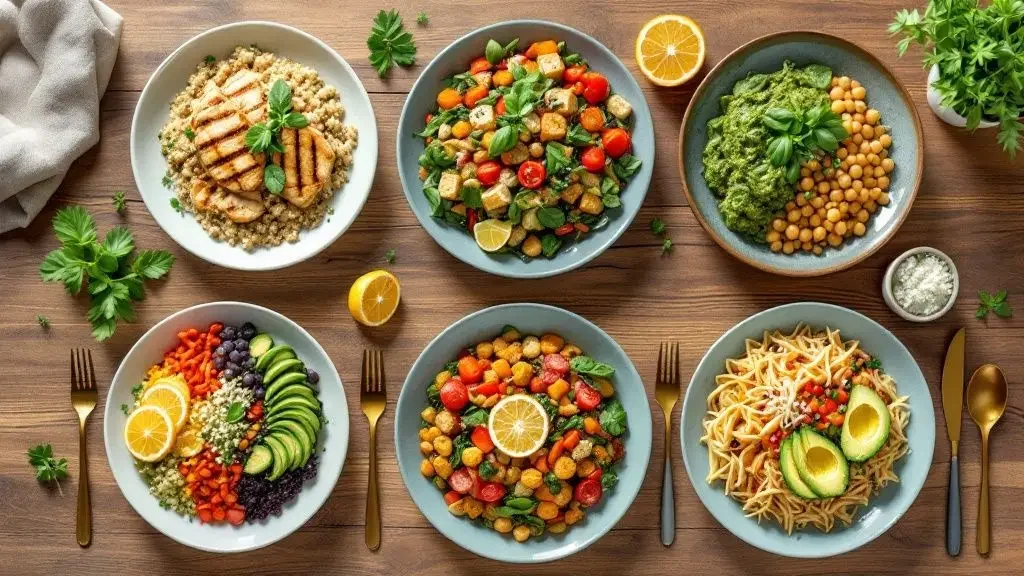
Image Credit: Culinary Collective
Cooking for yourself is one of the most daunting aspects of the university experience. Fresh out of school and accustomed to hearty home-cooked meals, you’re chucked in at the deep end, trying to figure out how to feed yourself. Mum’s classic Sunday roast, or Dad’s famous chicken curry are things of the past- you’re now left to your own devices to fend for yourself.
Getting acclimatised to the kitchen of your student digs is an ordeal in itself. Flatmates who don’t seem to exist outside of mealtimes all converge at 18:00 to cook their dinner. You’re crammed in like anyone who dares to take the Piccadilly Line during rush hour. It’s overwhelming. There’s no room to think. The temperature is beyond hot: scalding pans, clammy body heat, the whirring of the extractor fan blocking any means of communication between the cooks. All that’s missing from this maelstrom is a despotic head chef shouting profanities at you.
Things do not improve when you leave accommodation either, mind. The minuscule kitchen in your cramped second-year hovel strains to fit just you, let alone the whole flat. You struggle to find the time to cook amidst the assignments due every week, the impending pre’s for your night out, not to mention the ever-encroaching threat of having to find an internship, or - God forbid - a real job.
So, you decide on a takeaway. A Roti King or a Wing Stop, perhaps. Fair enough: it’s more than edible, and you’ve heard enough horror stories of uni meals gone by. No need to suffer through the dregs of your last food shop, convincing yourself that a singular carrot and a tin of sardines is a well-rounded meal.
It doesn’t have to be this way.
The way we think about cooking at university needs to change. We need not be afraid of what might go awry. There’s nothing wrong with overcooked meat or undercooked potatoes. These are just minor inconveniences in the journey of becoming an adept home cook. Without these errors, how would we ever learn?
Practice makes perfect. The more we cook, the better food we make, and the more we enjoy cooking. By no means do I think the next Paul Bocuse is going to emerge from the grimy depths of a uni kitchen, but there’s no reason why you shouldn’t try to make your eating pleasurable.
As Anthony Bourdain says, “cooking is a craft” - it is not an artform, nor a science. It does not need to be overthought. The basics are simple. Only two things really affect your eating experience: flavour and texture.
Texture is the easiest to get right. No one wants to eat soft, sloppy food. The solution? Add a bit of crunch. Croutons (put stale bread in the oven for a bit) in a salad, bits of bacon in mash, cucumber in a sandwich. The list is endless. Just think of what could add crunch to the meal, and then toss it in.
Flavour - equally key - is slightly harder to get right, due to all the possible mixes. Salty, savoury, sweet, bitter, and umami (whatever that is!?): for all these components, the key is balance. Salty and salty just doesn’t work, nor does sweet and sweet. Instead, think of balance. Salty anchovies to counteract savoury pasta, sweet honey to harmonise with salty bacon, bitter grapefruit to sharpen savoury cured meat.
Cooking can be simple. What’s more: the better you eat, the better you feel. Scrumptious, healthy meals make life at uni so much easier. It balances out the alcohol, and makes your body feel at least somewhat functional. Cooking your own meals reduces excess waste and spending, with the added benefit of knowing exactly what you’re putting into your body. The health benefits are untold (even if it means having to survive TCR Lidl once a week).
“Tell me what you eat, I will tell you what you are”- these are the famous words of Jean-Anthelme Brillat-Savarin. So, I implore you: don’t be a takeaway or a tin of beans.