
Facebook’s Hidden Wildlife Trade
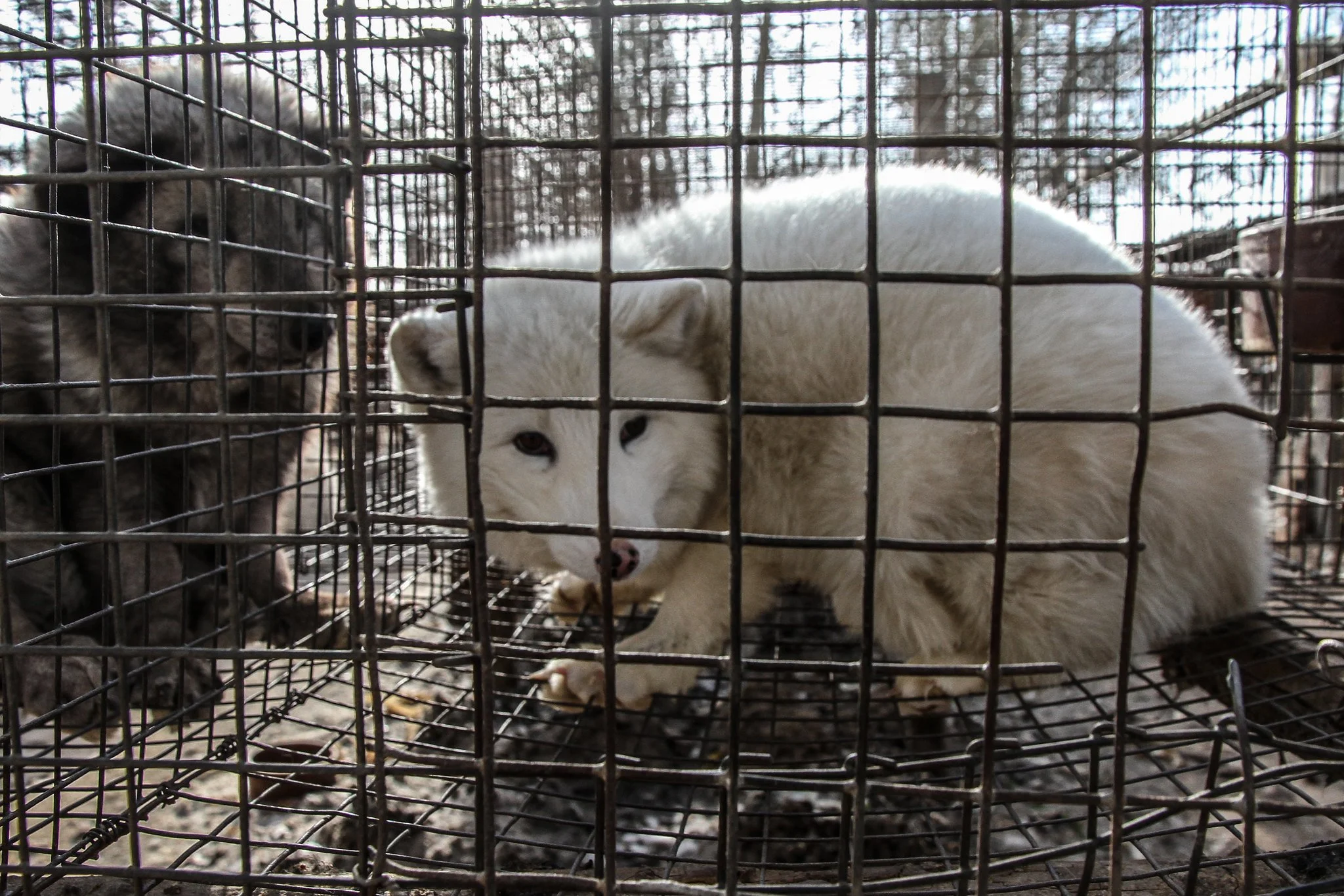
Image credit: Animal Equality International via flickr
Illegal wildlife trade is often imagined as something distant, either confined to poorer countries or limited to a few ultra-wealthy eccentrics. Yet illegal wildlife sales continue openly on Facebook despite repeated pledges by the platform to tackle them, with posts advertising live animals and wildlife products still circulating in plain sight across feeds and groups.
What makes this trade difficult to address is not only its scale, but its visibility. Rather than operating through hidden websites or specialist forums, animals and wildlife products are advertised through ordinary Facebook posts that use coded language and carefully chosen images to avoid moderation, such as sellers referring to endangered animals through emojis, nicknames, or vague phrases like ‘special pets’ rather than naming species directly. These posts appear alongside everyday content, making them legible to buyers who know what to look for while remaining difficult for automated systems to flag. In practice, this means listings can stay online long enough to circulate widely, attract engagement, and move conversations into private messages before any action is taken.
Research suggests that this is not incidental to Facebook but is shaped by the platform’s design. Studies tracking online wildlife sales have found that Facebook groups function as informal marketplaces, with repeated posts, recognisable trading norms, and a wide diversity of species offered for sale. A 2024 global review similarly argues that much of the online illegal wildlife trade now occurs on mainstream platforms such as Facebook, rather than on specialist or encrypted sites. The issue is not that this trade is hidden from view, but that it is embedded in the platform’s ordinary social infrastructure.
The scale of online wildlife trade further complicates enforcement. Research has shown that around one in three reptile species is traded online, and that most of those species are not protected by international law. On Facebook, this regulatory ambiguity is reflected in comment threads and group discussions, where responsibility is often framed as a matter of weak border control or individual criminal behaviour, rather than questioning how the platform’s design enables these markets to persist.
These dynamics are not confined to any one region. Posts from environmental groups in Trinidad and Tobago openly discuss international wildlife trade alongside fisheries and logging, reflecting recent analyses of illegal wildlife trade in Trinidad and Tobago that document links between local practices and international markets. Other posts frame illegal trade as a social problem linked to migration or local demand. These conversations appear on the same Facebook platform used daily in the United Kingdom (UK), collapsing distance and linking local practices to international markets through routine online interaction.
The UK itself is not exempt. Endangered species are sold through informal networks connected to online platforms, challenging the assumption that wildlife trafficking happens only elsewhere or only among the very wealthy. Recent Border Force seizures of snakes, tarantulas, birds, and other protected animals at UK airports and ports indicate that live animals are entering the country in small numbers and informally, rather than through the high-value shipments associated with elite collecting. Together, these cases show that wildlife trade operates through ordinary digital and local spaces, rather than exceptional or hidden ones.
If illegal wildlife trade continues to thrive on Facebook, the question is not only who is breaking the law. It is whether a platform built around visibility and engagement can disrupt a market that remains easy to find yet difficult to control. Responsibility, in this case, rests less with individual users than with how Facebook shapes attention at scale.