
Is the Role of a Manager Fading in Modern Football?
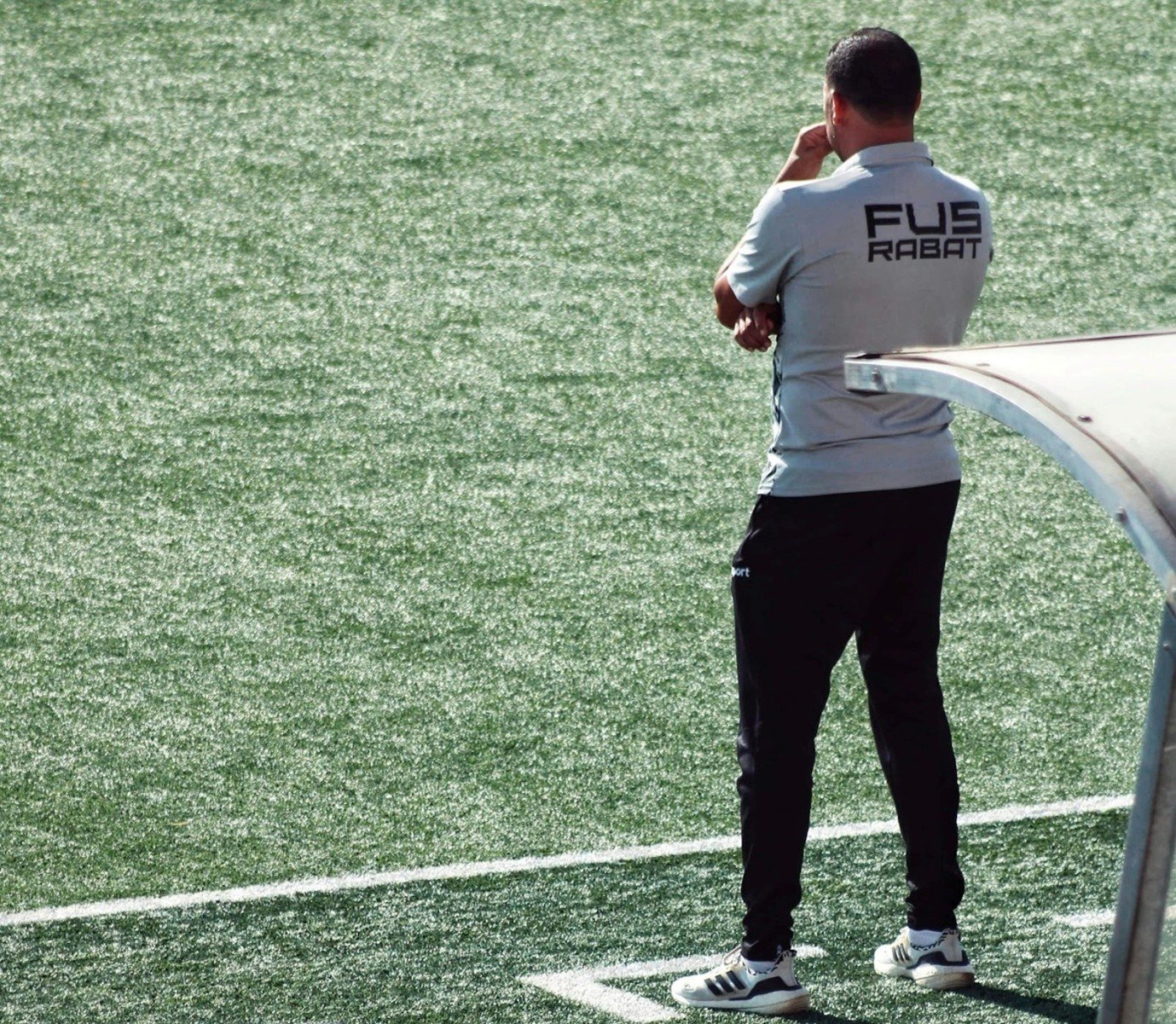
Image credit via Pexels
The year of 2026 in Football has gotten off to a shocking start, as Chelsea’s Enzo Maresca left the club on New Year’s Day. Shortly after, Manchester United’s Ruben Amorim was relieved of his duties. Both Maresca and Amorim’s departures have sparked debate around the managerial role in Football. Is it fitting to use that label in the modern game, or are managers simply coaches that are at the mercy of the directions of the executives?
Amorim and Manchester United
In a meeting with Director of Football Jason Wilcox, Amorim was confronted for his reluctance to adapt his tactics to different circumstances. Amorim was accused of being tactically predictable and risk averse, which was largely to do with staunch commitment to the 3-4-3 setup. United bosses felt Amorim’s response was ‘very negative and emotional, creating a divide between the board and the manager.
Moreover, while the consensus around the United board was that the current crop of players was in a good position to secure European qualification, Amorim did not share their enthusiasm, highlighting a misalignment of visions at the club. Internal disagreements over transfers are not uncommon. However, it is not a standard practice for the club’s executives to question the manager’s tactical integrity, which Amorim interpreted as a challenge to his power, prompting his comment that he came to United to be the ‘manager’ and not the ‘coach’ before being released.
However, despite disagreements over transfer recruitment, Amorim was still granted the signings of Bryan Mbeubo, Matheus Cunha and Benjamin Sesko last summer to fit his style of play, suggesting that Amorim still had a degree of authority behind the scenes. With that said, many argue that Amorim’s exit was prompted by underwhelming results, not Amorim’s tense relationship with the board.
Maresca and Chelsea
Maresca claimed that the 48 hours prior to the Everton clash were the worst since joining the club, pointing to a rift with the upper management. Sources claim that Maresca ignored instructions of the medical staff on the squad’s load-management, prompting the club to place the head of the medical staff on the bench alongside Maresca. Maresca interpreted this as the club ordering his team selection, undermining his authority.
Furthermore, Maresca wanted to sign an experienced defender in the summer, which the club overruled him on, strengthening Maresca’s impression that his role was being undercut. Perhaps Maresca believed that he earned the right to a bigger say internally, after leading the Blues to an unprecedented triumph at the Club World Cup, creating a struggle between the board and himself.
With that said, the role of a manager is in fact fading in clubs where executive provision is paramount, but not vanishing entirely. Amorim was still accommodated with signings that catered towards his preferred style of play. Meanwhile, Maresca was disillusioned by the Chelsea project, becoming a hostage of a structure whereby all of the decisions were made above him, leaving him with next to no input, even after strong results.