
Michael Carrick’s Return to Basics: A Revival at Manchester United that’s Genius is its Simplicity
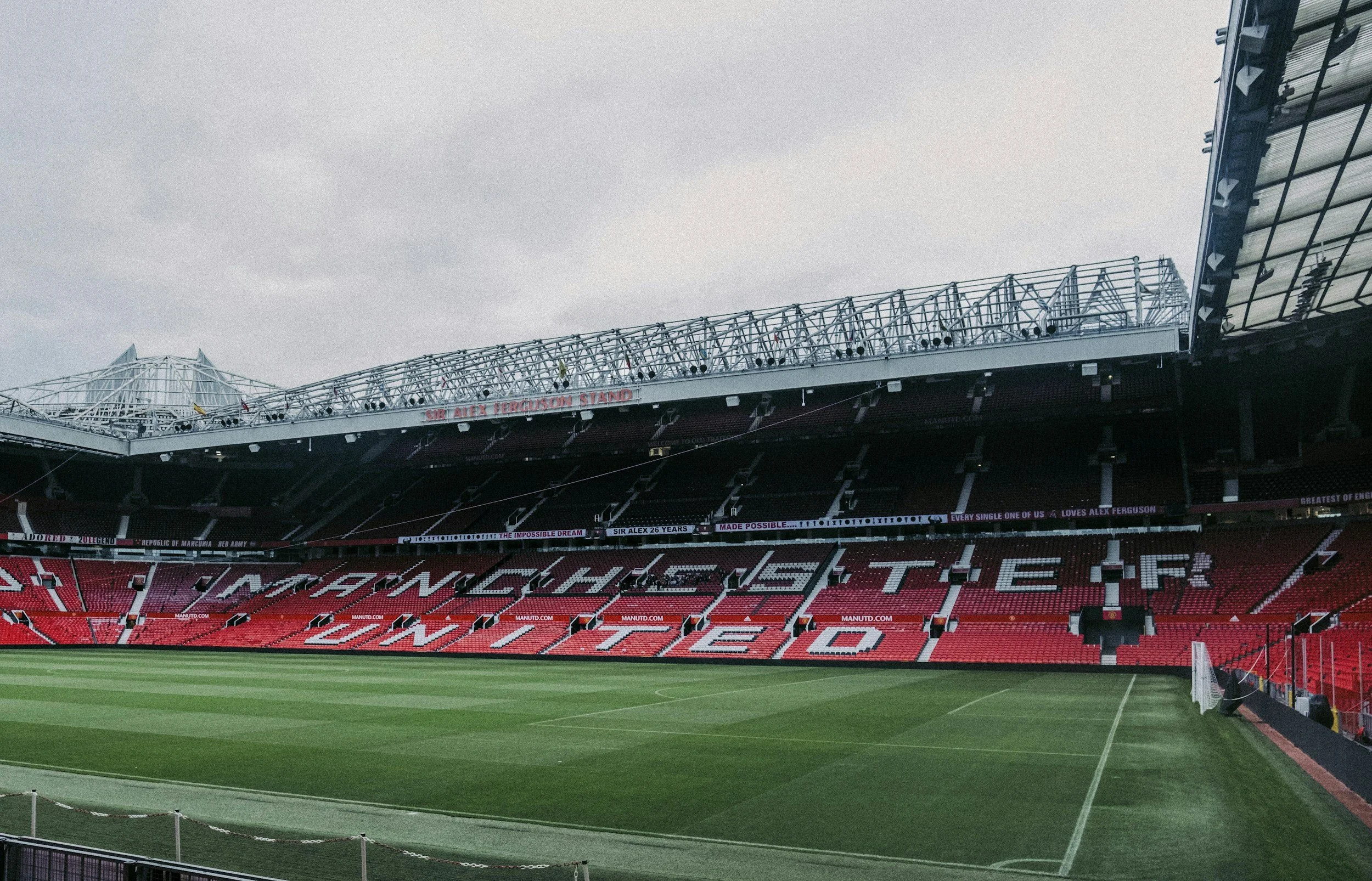
Image Credit: Unsplash
In January 2026, Manchester United found themselves in familiar turmoil. Ruben Amorim’s tenure had ended abruptly, leaving the club drifting to mid-table after a string of inconsistent results. The appointment of Michael Carrick as interim head coach until the end of the season raised eyebrows. His previous stint in 2021 had been brief and transitional, albeit promising. Yet, in just three games, the former midfield maestro has orchestrated a remarkable turnaround, winning all three matches and injecting a sense of identity that had appeared lost.
Carrick’s philosophy has been refreshingly straightforward: a return to basics. Gone are the intricate tactical experiments that plagued recent regimes, especially Amorim’s and his questionable 3-4-2-1 formation. Instead, he has emphasised solidity at the back, quick transitions, and trusting the club’s youth prospects alongside experience. In recent press conferences, Carrick has alluded to stripping it all back, focussing on hard work, and playing with pride in the shirt as the foundation of his ethos. This no-nonsense approach echoes the United DNA of old, reminiscent of Sir Alex Ferguson’s emphasis on control and counter-attacking threat.
The results speak for themselves. Carrick’s debut was a statement 2-0 victory over rivals Manchester City at Old Trafford. United were compact, absorbing pressure before striking clinically on the break. It was a performance built on defensive resilience; clean sheet secured and opportunistic attacking. Who would have thought that simply reverting to a 4-2-3-1 with your best players in their correct positions would reap such quick dividends? Simple, obvious and basic, yet the previous incumbent did not see it. In this game, Carrick set out his stall: the return of a generational talent (Kobbie Mainoo), Bruno Fernandes playing in his correct number 10 role, Amad Diallo as a winger, and Diogo Dalot not only playing on the right-hand side, but as a full back too. All basics: fans across the world were crying out for this during the Amorim experiment.
Next came a thrilling 3-2 away win at Arsenal where United showcased grit and flair in equal measure. Trailing initially, they fought back with rapid transitions, exploiting spaces left by Arsenal’s high line. Spectacular goals flowed from three varied sources, highlighting Carrick’s insistence on collective responsibility against reliance on individual brilliance.
The momentum continued with a dramatic 3-2 home win against Fulham. Old Trafford erupted as Benjamin Šeško netted a 94th-minute winner, capping a comeback that exemplified the newfound fighting spirit. United have scored the most Premier League goals since Carrick’s arrival, but it’s the defensive improvement, fewer concessions, and better shape that underpin the revival. Mainoo has thrived in midfield, embodying the youth integration Carrick has prioritised by attending academy matches and promoting from within.
Players have responded. Veterans like Fernandes and Casemiro appear liberated, while youngsters are given license to express themselves within a structured framework; until his injury, Patrick Dorgu’s performances were arguably reminiscent of Gareth Bale! Training sessions, as Carrick has revealed, focus on intensity and relationships, building trust between staff and squad. The atmosphere at Carrington feels “settled”, a stark contrast to the tension of recent months.
So, United have climbed the table, reignited optimism, and sparked debates about Carrick’s future. His return to basics isn’t revolutionary; it’s foundational. In a club often chasing the next big tactical innovation, Carrick reminds everyone that the simplest principles (work rate, organisation, and belief) yield the greatest rewards. Recent performances have epitomised Carrick the player; simple yet effective, oozing class. If this purple patch continues, the interim tag may eventually become redundant. For now, Manchester United look reinvigorated, playing with purpose once more.