
Neocolonialism and The Case of Greenland
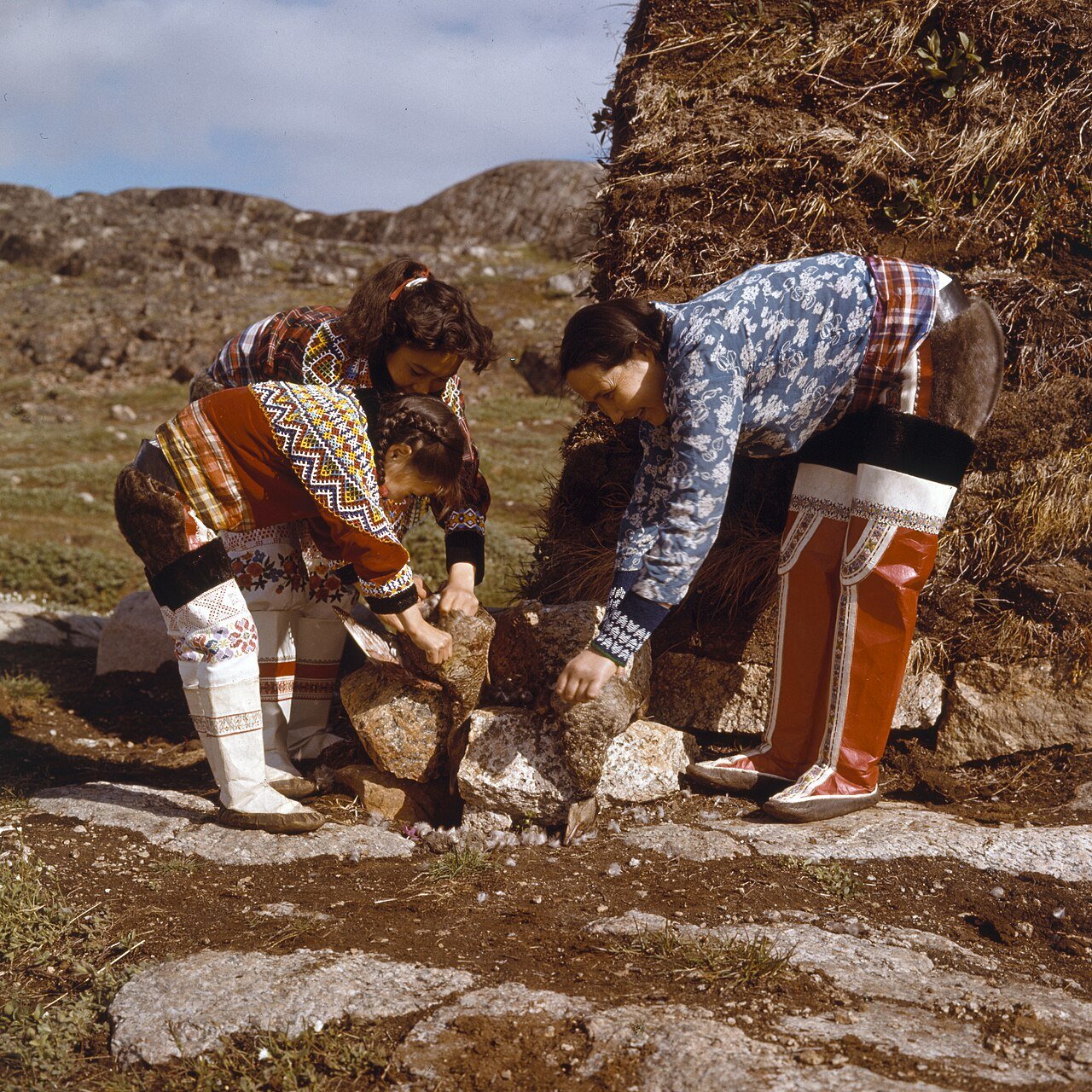
Image Credit: SAS Scandinavian Airlines via Wikimedia
Today, Europe laments the erosion of democracy, the disruption of a rules-based international order, and the end of the transatlantic alliance. Vociferously pointing to America’s leader and accusing him of imperialism, it appears that our European compatriots have brushed aside the agenda they themselves once endorsed and are still benefiting from today. As Europe vows to defend Danish sovereignty and warns against the dissolution of their sacred transatlantic alliance, they have also stood by America in sanctioning the genocide in Palestine, idly watching as the super-state bombards any country it considers to be “rogue” or an impediment to its national safety. When Maduro and his wife were captured and brought to New York, European leaders applauded the operation, fervently standing by the people of Venezuela, declaring, with a deranged ecstasy, that the toppling of the regime (even though technically it wasn’t one) could be defended on the grounds that the Venezuelan leadership was dictatorial. International law was momentarily forgotten, the narco-terrorist was chained behind bars, and the Nobel Peace Prize Laureate María Machado would consecrate America’s ‘heroic’ endeavour.
But when Trump’s attention finally shifted to Greenland, Europe started to stumble and, little by little, descended into a frenzy. As Brussels hosts emergency summits, and Macron leads our European resistance, sovereignty and international law have been rebranded as vanguards of peace and stability. Of course, this isn’t the first time America has expressed interest in acquiring the largest island in the world - in the nineteenth century, the then Secretary of State touted the idea of buying it from Denmark, and during the Second World War, America took Greenland under its wing to ward off Nazi conspirators. Now, aghast at the Administration’s remarks, our feeble continent appears to be more appalled than indignant at the prospect of Uncle Sam abandoning his allies, helplessly decrying the unfathomable decline of the once so-glorious transatlantic pact.
And what of the Inuits? Although Greenland presents a relatively positive example of Indigenous self-determination - gaining home rule in 1979 and autonomous government in 2009- it remains under Danish control when it comes to foreign affairs, defence, and security policy. In other words, Denmark has only symbolically renounced its past: strategically, there is too much at stake to relinquish the territory wholeheartedly. Under scrutiny, it is clear that Greenlanders are still feeling the ramifications of Denmark’s assimilationist policies. Most infamous of those are the 1951 state-sponsored “Little Danes” experiment - a forced sterilisation campaign of Inuit women which continued into the 1980s. Reparations and official apologies cannot, after all, erase collective trauma or lessen the scale of cultural disruption (which is the inevitable outcome of modernisation). Suicide rates in Greenland are amongst the highest in the world; alcohol and substance abuse are particularly endemic in remote towns. The Special Rapporteur on the Rights of the Indigenous Peoples highlighted in his 2023 report that Inuits living in Denmark often describe feeling like “invisible ghosts”, a sentiment driven by cultural isolation, language barriers, and a misrepresentation of Greenlandic history and traditions. Signs of broader structural inequalities are abundantly clear. But when Denmark and its European counterparts speak of democracy and sovereignty, they do not mean Indigenous sovereignty - they emphatically point to the Western liberal model of enlightened reason and natural law, the very model that precipitated the domination of our “lesser” world.
It seems reasonable to assert that for the Indigenous peoples of the world, the global order has not yet undergone a process of decolonisation. Even if international actors assert that colonialism is a thing of the past, these are simply symbolic gestures criticising imperial legacies whilst continuing to benefit from their wealth. And what is this double language that demagogues speak? Supporting the democracy of one and embracing the annihilation of another? Subservience before the powerful and tyranny over the weak? No nation is innocent in its pursuit of sovereignty, and no leader is benign; that much is clear. And if democracy and international law are to carry any meaning at all, all nations and all peoples must respect them without exception.