
Oscar Nominees are Out… Does Anyone Care?
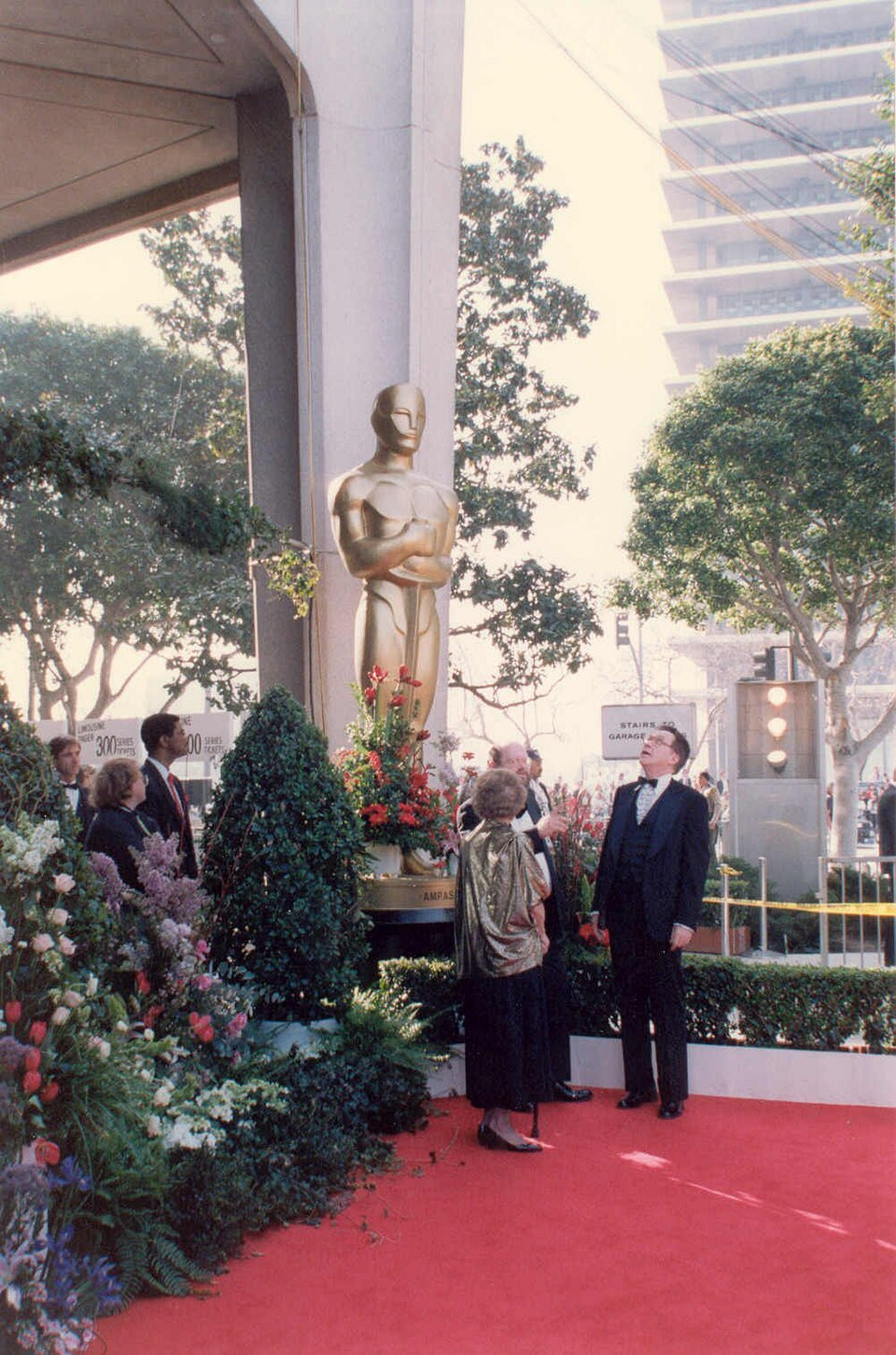
Image Credit: Alan Light via Wikimedia Commons
On the 22nd of January, the Academy announced its nominations for the 98th Oscars, and the world reacted like it seemingly always does. Nominees turned to posting emotional statements of gratitude, the internet went into uproar about those they deemed ‘snubbed’, and the discourse about the most deserving winners kicked off. This annual tradition of dissecting the Academy’s choices and their divisive nature leads us to question: to what extent are the authority and impact of the prestigious Academy actually recognised? If every year nominations and wins are so contested, with people often denouncing them and the entire ceremony as a fix, how much cultural influence do the Oscars actually have?
This year’s nominations were certainly surrounded by a substantial level of debate. Some were particularly stunned after it was revealed that Wicked: For Good, one of the biggest films of 2025, had not received a single nomination in any category. For many, Ariana Grande was a fan favourite to be nominated in the Supporting Actress category, and her absence was certainly noticed. Chase Infiniti was also not nominated for her role in One Battle After Another, and neither was Paul Mescal for his part in Hamnet, despite both being fan favourites in their respective categories. It seems that every year, audiences get more and more frustrated with their favourites not being recognised. It is then even worse when films surrounded by controversy and public criticism are recognised instead.
A recent example of this was when Emilia Pérez - a film that came under fire for its problematic representation of Mexico, the leading actress’s resurfaced tweets, and its confusing musical elements - garnered 13 nominations in 2025. Although it only went on to win two of those, the backlash towards the Academy was huge, and the perceived weight of the nominations that year was degraded as a result. If the Academy is perceived to be nominating the undeserving and not recognising some of the most popular performances, a nomination starts to become less of a stamp of greatness and much more of a contentious recognition.
The Academy is no stranger to criticism for its perceived bias. It started to come under serious fire in 2015, when none of the 20 people nominated in the acting categories were people of colour. Activist April Reign coined the hashtag #OscarSoWhite, highlighting the racial bias and exclusion often showcased by the Oscars. Shockingly, between 2007 and 2015, only 8% of Oscar nominees were people of colour. Although this figure has risen to 17% in recent years, it seems that the Oscars have been irreversibly exposed as a white-dominated ceremony, in which people of colour (both fans and industry members) are unable to get the recognition they deserve. Although this year Sinners has been nominated for a record 16 awards, not a single woman of colour made it into the Leading Actress Category, and after previous criticisms of gender exclusion in the category, Chloé Zhao is the only woman to be nominated for Best Director.
The buzz around the Oscar nominations may be exciting for some, but for others, it is nothing more than a source of disagreement, or even worse, the epitome of institutional racism and misogyny in Hollywood. Audience reactions have always been unsettled at best, so perhaps it is time to stop attaching so much gravity to the Academy and let the nominations pass us by when deciding what films to watch this year.