
Pubs Are Dying With Their Customers
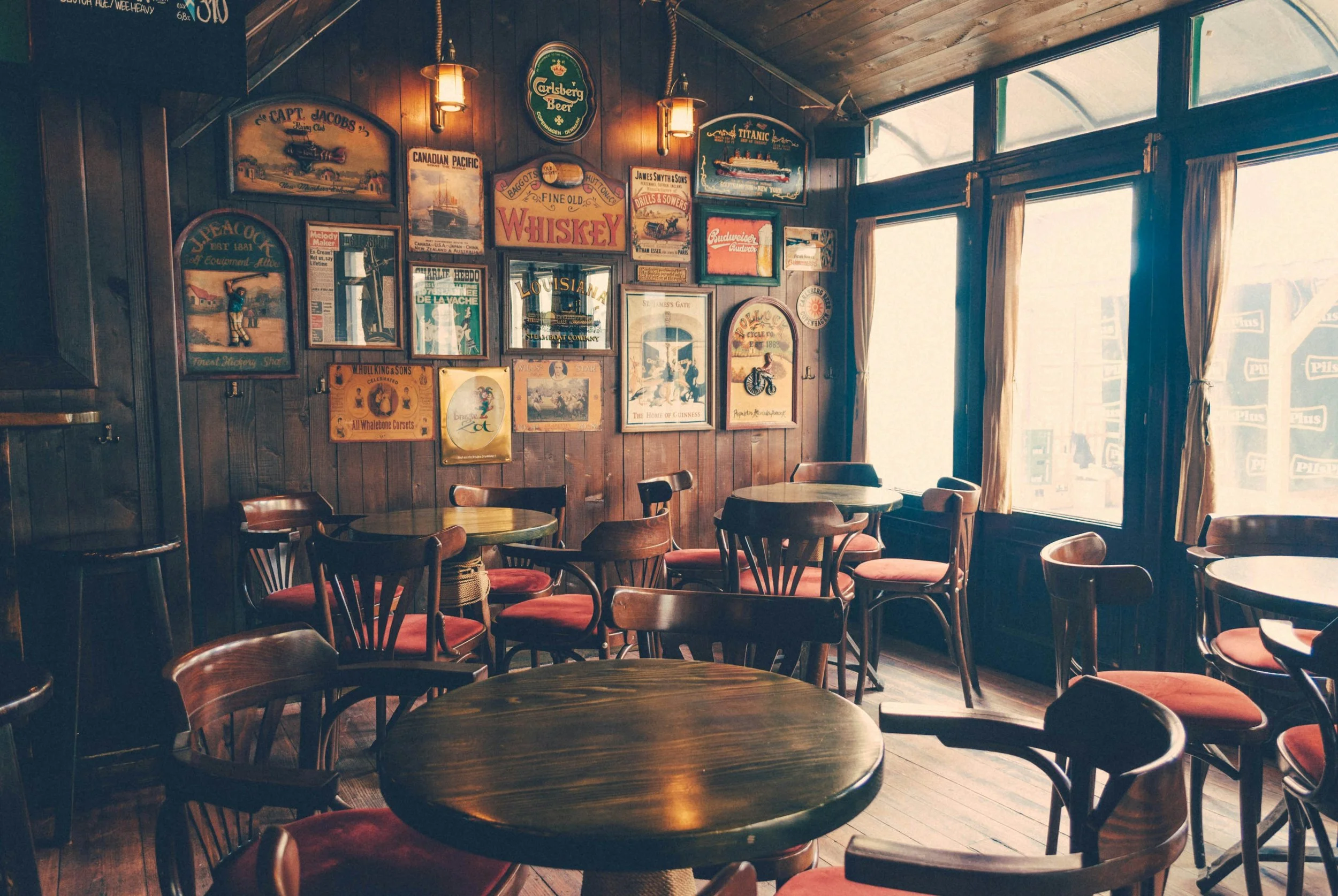
Image Credits : Nikola Jovanovic via Unsplash
I check the clock as I sit at my barstool, and then return to reading Game of Thrones. It is a few hours into my shift at the village pub, and I can count on one hand the number of customers that have come in. The two racist Glens who will sit at the corner table will come in as they do on Mondays at 12 without fail. They’ll sip one pint each for an hour while berating me about the latest despicable thing that young people have done. This time, it was Cambridge students lobbying to remove a portrait of a slave trader from their formal hall.
A solo drinker will come in and read their entire newspaper in the corner of the room over one drink, scowling at my choice of music. Occasionally, emboldened by their pint of Pravha, a local construction worker called Andy or Shawn will try to persuade me to vote for Reform in the next local election, or tell me that I am wrong about climate change.
A few hours later, what is seen as a busy afternoon comes streaming into the pub, a wrecked bunch, maybe not yet one foot in the grave, but definitely within walking distance. I am never swept off my feet, but there are enough people that I can choose which conversation to eavesdrop on. Although mostly retired, the arrival of 4 o’clock always stirs some residual instinct for necking five pints. This is the point where the pub’s hourly takings inch past what they are paying me.
Pubs have been struggling significantly over the last few years, the blame for which has often landed on young people, who ‘don’t go to the pub any more’. After working at one for over a year, I can understand why. The only time I would see someone under 40 show a reluctant face is at Christmas, dragged by their family.
Parallels are often drawn between the exorbitant prices and the declining turnout, to the young people unable to afford them. My landlord told me that ‘The reason pubs are dying is that over the last 5 years we’ve had unsustainable rises in costs. This is utilities, rents, staff costs, booze costs and taxes,’ and that he probably won’t be in the industry this time next year. Over the last year, prices in my pub have gone up three times due to this. From what I’ve seen, though, it’s not lack of funds keeping young people away; it’s a culture chasm.
Young people will drop hundreds on concert tickets, and hefty entrance fees to clubs, but while heavily subsidised student bars and Lidl Rachmaninoff exist, £6-7 for a pint and a ‘nice atmosphere’ – that it rarely is - won’t cut it. Drinking culture amongst young people has shifted from a social act to pre-drinking for a purpose.
Pubs, on the other hand, have been left to the Daves and Garreys. This leaves the risk that many pubs will die with their clientele. One key customer at my pub disappeared for three months, only to return with traumatic stories of heart complications and surgery that he underwent, whilst sipping a single alcohol-free Guinness and leaving immediately afterwards, as opposed to his daily five pints that underpinned the pub’s budgeting. It's just a matter of time before one hard-drinking pensioner's health scare tips the pub's accounts into the red one final time.