
The Price of Perfection: How Celebrity Surgery Denials Distort Beauty Standards
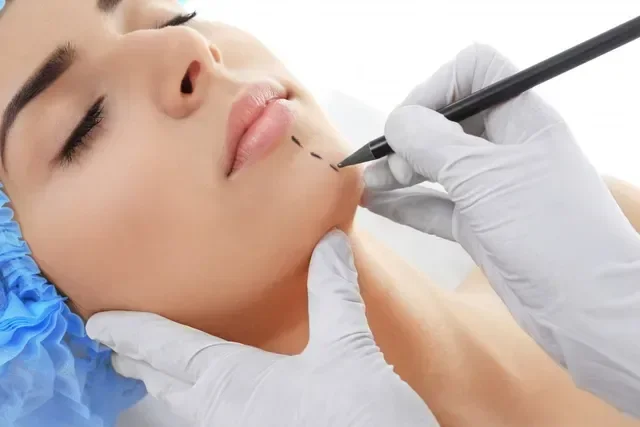
Image Credit: Dr. Connie Hiers
With high-definition cameras everywhere and online scrutiny that never switches off, celebrity faces have become public property, subject to a level of examination once reserved for forensic evidence. A sharper jawline, a smoother forehead or fuller lips are no longer private details but moments to be analysed, screen-captured and debated in real time. Despite this visibility, many celebrities continue to deny having undergone cosmetic procedures, instead crediting dramatic transformations to “good skincare” or the convenient fiction of “ageing well”. The cost of these denials is not abstract: it’s paid by audiences measuring themselves against increasingly unattainable standards.
Over the past decade, non-surgical treatments such as fillers and Botox have surged, driven by social media’s normalisation of aesthetic enhancement. What remains taboo is not intervention itself, but the admission of it – particularly for women, whose public value seems tied to the illusion of effortless beauty. By presenting surgically assisted appearances as the natural outcome of discipline and restraint, celebrities sustain a damaging performance of “natural perfection” alongside an aura of condescending self-righteousness. Wealth, access and medical expertise are quietly reframed as moral virtues, while fans absorb a corrosive lesson: if you do not look like this, you must not be trying hard enough. No amount of gua sha, green juice or Pilates can replicate the effects of rhinoplasty or injectable facial sculpting.
The psychological impact of this illusion falls most heavily on young women, for whom comparison is a constant feature of online life. Studies consistently link exposure to idealised celebrity imagery with increased body dissatisfaction, anxiety and disordered eating – a pattern intensified by social media’s collapse of distance between star and follower. Influencers, presenting themselves as relatable peers, benefit from the same procedures as Hollywood celebrities – when surgery is denied, comparison becomes crueller; the standard appears achievable, just not by you. This denial also carries a racial and cultural dimension, particularly in the selective celebration of features once marginalised or mocked. Full lips, high cheekbones and curvier bodies are now praised when displayed on famous, often white, faces, even as the labour and risk involved in acquiring them remains hidden. Denial becomes a way of claiming authenticity while sidestepping conversations about appropriation, privilege and power.
A small minority of celebrities has begun to speak openly about their procedures, reframing cosmetic surgery as a personal choice rather than a moral failing. Their candour does not dismantle the beauty industry’s harms, but it punctures the fantasy that perfection is free, or that it emerges solely from discipline and virtue. When those with the greatest visibility refuse to acknowledge the tools shaping their appearance, they help maintain standards that are, quite literally, unattainable.
Beauty culture thrives on silence as much as it does on spectacle. The smoothness of a face, the symmetry of a body and the illusion of effortlessness depend on what is left unsaid. In that silence, money becomes modesty, access becomes virtue, and medical intervention disappears, repackaged as discipline or “good habits”. To ask for truth is not to demand confession, but to refuse the fiction that perfection arrives unassisted. In a culture saturated with images designed to invite comparison, even small ruptures in that illusion matter, not because they dismantle the beauty economy, but because they expose its mechanics.
If beauty has always come at a price, is it really unreasonable to ask who is paying it – and who is being asked to bear the cost?