
Turning Rightward: Has Gen-Z Reneged on its Promise of Progressivism?
Markus Spiske via Pexels
For years, Gen-Z has been framed as the generation that would expel entrenched prejudices and advance social progress simply by virtue of our youth. And in truth, this optimism isn’t entirely unfounded; we are the generation of marriage equality, unprecedented diversity in media, and a greater awareness than ever of issues like consent and discrimination. Yet, Gen-Z appears to be more and more willing to court right-wing rhetoric and ideals, contrary to its ‘promise of progressivism’.
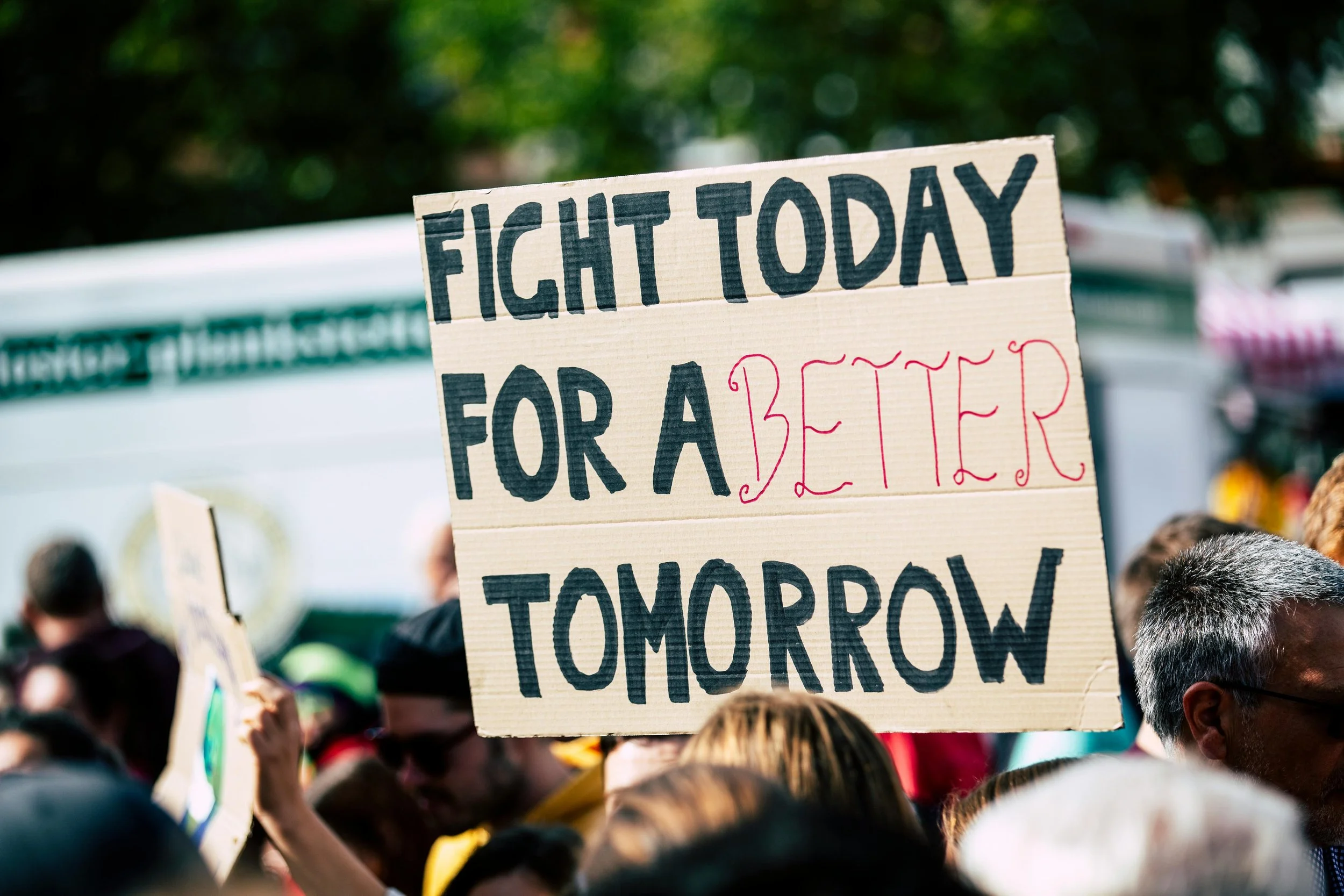
This ‘promise’ appears to at least partially rest on something tangible. In many ways, teenage activism has defined recent years: climate strikes that spread across continents created Gen-Z icons like Greta Thunberg, solidarity marches for Black Lives Matter and the #MeToo movement encouraged political engagement via social media campaigns, and most recently, youth uproar surrounding the wars in both Ukraine and Gaza has helped to broaden mainstream coverage of progressive movements.
For a moment, it looked as if progress was not just possible, but inevitable - liberal politics would emerge victorious, backed by an entire generation. Yet, while progressivism has not been entirely abandoned (Green Party membership was up by 45% in the month following Polanski’s election), current rightward drift, illustrated by the growing appeal of figures like Farage (winning two in five seats in council by-elections since May), suggests the very opposite.
The idea of Gen-Z shifting rightward is far from illusory. There is an observable shift which appears to be particularly influenced by inflammatory social media content. Recent Ofcom figures suggest that around 75-80% of 16–24-year-olds use social media as their main news outlet. Further, a study from the Pew-Knight Initiative has found that across all major social media sites, news influencers (defined as people regularly posting about current affairs with over 100,000 followers) are more likely to lean right (27%) than left (21%), with the other 52% remaining politically undeclared. This imbalance may be fuelling some of Gen-Z’s move to the right, exposing just how vulnerable our hyper-online generation can be to the narratives fed to them.
Yet, this right-wing tendency is, of course, not ubiquitous. Plenty of data suggests that Gen-Z has broken from past generations, adopting a more liberal set of values. For instance, A Pew Research Centre survey found that only around a quarter of registered voters aged 18-23 (22%) approved of how Donald Trump is handling his job as president, compared with a much higher 42% of Gen X voters. On a similar note, there is naturally variation in views within Gen-Z itself, specifically between genders. This split works against the idea that the entire generation has suddenly given up its liberalism, with Gallup data finding that women aged 18-30 are now 25 percentage points more liberal than their male peers. Although these figures are shocking, and undoubtedly creating inter-generational tension, this divide at the least demonstrates a genuine ideological discourse between conservatism and progressivism within Gen-Z, rather than a unanimous acceptance of the right.
So, has Gen-Z reneged on its promise of progressivism? Not entirely. But we are surely at a crossroads - a crossroads which has been faced by many generations of politically uncertain youths before us (we need only think back to the Mods and Rockers of the 60s). Some of us have already chosen our paths, divided between the left and the right, with the latter seeming more and more appealing to some. The real question at this time of political fracture, then, seems to be whether or not this trend to the right will eventually dominate the politics of our generation, or whether Gen-Z will instead choose progressivism and the liberal change once pre-determined as our legacy. Only time will tell, but for the moment, the politics of a generation hang in the balance.