
Dispelling AI Myths, Tech Utopias, and Regaining Control
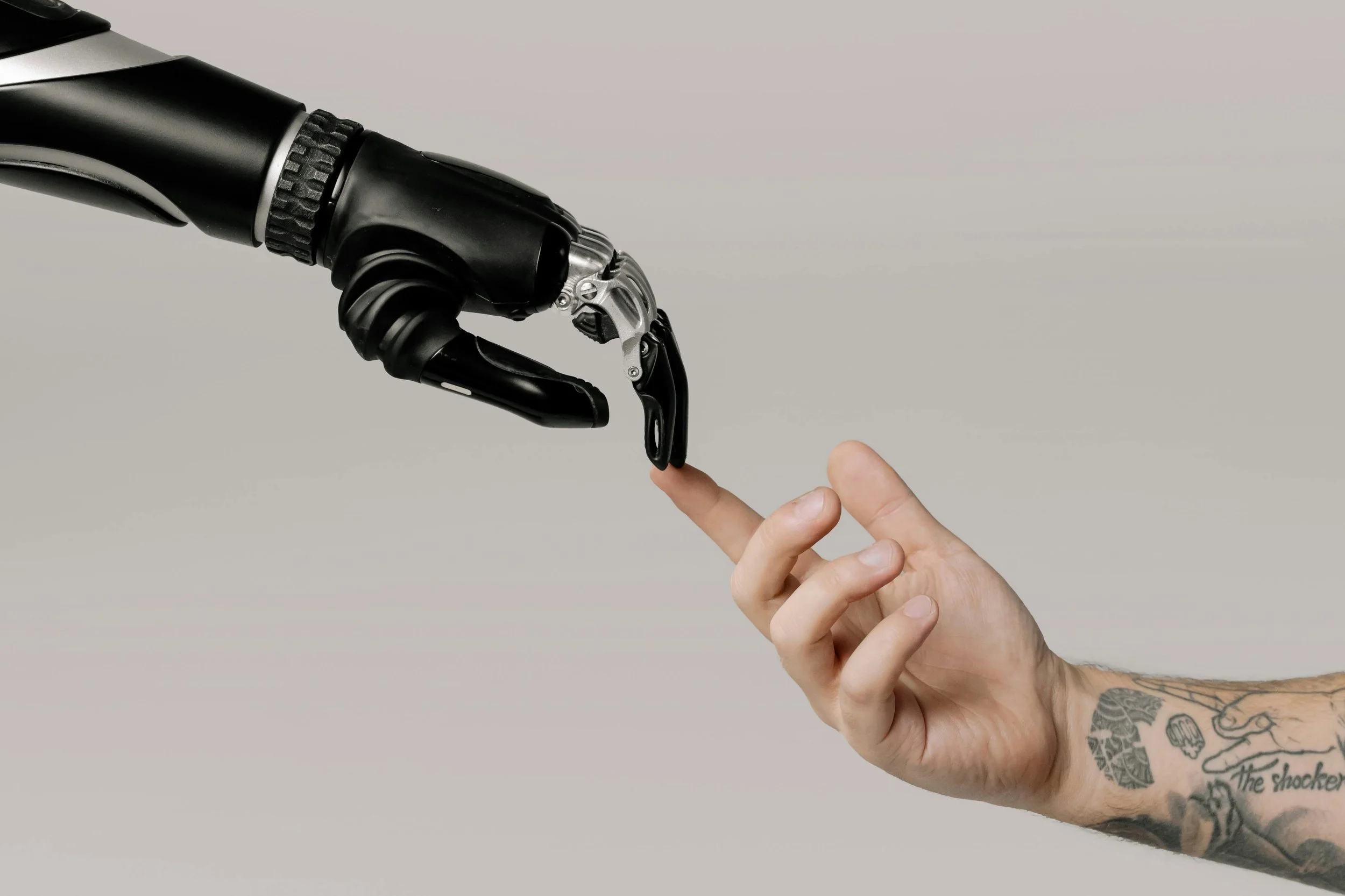
Image Credit: Cottonbro Studio via Pexels
Since moving to London, I have found myself exposed to a constant stream of AI-related advertising. Some of the products are useful to me – stressed with deadlines, a free one-year student-only subscription to Google Gemini is tempting. But most of it isn’t: a podcast ad-break offering an AI-powered assistant to help run my plumping business, for instance, or the taxi door’s rainbow coloured ‘all-in-one streamline-your-workflow’ agent.
The industry message seems to be that whether you’re a student, a small-business owner, or a corporate executive, if you’re not on the AI bandwagon you’re not maximising your productivity. This hypnotic strobe of AI optimism is getting rather tiresome, and whether I want to be exposed to it or not, I am. The irony of this being yet another AI-themed article, while complaining about the constant drone of AI discourse myself, is not lost on me. I just imagine that some healthy skepticism might relieve any reader anxiety from not participating in the newest life-improving technology.
For the most part, the technology we are encountering is breathtakingly impressive, and access to it is often low cost (although never truly free). The seemingly endless applications of AI systems range from spam filters and intelligent assistants, to those promising to revolutionise biology, eradicate disease, provide free education, and reverse environmental degradation.
Techno-optimists point to an AI-inspired utopia, a world where all work, whether highly-skilled or toil-intensive, is carried out by machines. In this future, society is no longer resource-constrained; productivity gains are shared, and a new humanist movement is born, allowing us to pursue any creative or intellectual pursuit we desire. Part of this utopia might include machines that replace or complement human relationships, providing emotional gratification, friendship, or mental health support.
Maintaining cynicism in the face of these transformative and fascinating new technologies can be exhausting. At times, my inner Adam Smith insists we just let things laissez-faire themselves into a future full of every capitalist comfort imaginable. If the demand for a product isn’t there, or it complicates our ethics-based decision making, it simply won’t sell. So, what’s the issue?
The truth is that this increasingly tech-dominated world lies far from what our liberal economist friends might have imagined. What is driving AI growth is not free-flowing capital and wealth generation mitigated by ethics; it’s wealth extraction – exploitation of the working class, the concentration of capital, and unequal value capture exacerbating inequalities.
Work is increasingly becoming automated without new tasks that contribute to labour demand, and we are witnessing unchecked environmental and social externalities. If not necessarily exploited, will those not sharing in productivity gains simply be neglected or forgotten? Or could they perhaps be compensated? Being concerned about these issues, and believing they appear more dystopic than utopic, does not make you a technophobe, alarmist, nor luddite. The definitional boundaries of dystopia are dictated by ethical norms. Given AI growth is currently shaped by profit, rather than ethics, is it really surprising that we are skirting uncomfortably close to these boundaries?
We now live in a world where facial recognition and online surveillance technologies are actively deployed, and laugh nervously at the potential for AI systems turned malevolent or autonomous weapons that malfunction. We exist as subjects of predictive analysis and targeted advertising, spending hours on platforms that deploy attention-based algorithms to distort civil discourse. Technocrats directing these spaces now influence our governments, exerting strong downward pressure on regulatory initiatives and threatening the emergence of network states as a new governing order.
If you suspect there are hidden costs to modern technology, or if corporate ethics-washing makes you uncomfortable, your feelings should be actionable and free from industry pressure. Designing governance frameworks for emerging tech in ways that enable public participation is difficult, but not impossible. Until we realise them, however, we must be critical of the information we are sold, and remember that stepping back from AI debates will only concentrate power in the hands of the industry players who currently set the rules.