
Why We Should All Read ‘The Secret History’ in 2026
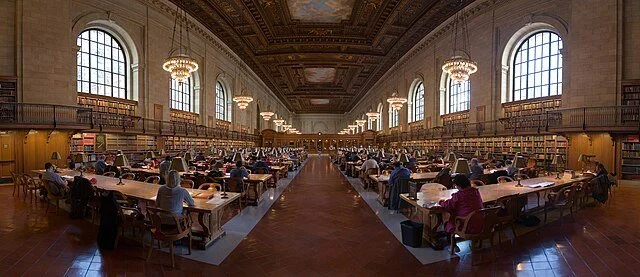
Image credit: Dilif via Wikimedia Commons
Some books endure because they are comforting. Others last because they are unsettling. ‘The Secret History’ belongs firmly to the latter category, and that is precisely why it deserves renewed attention in 2026.
First published in 1992, Donna Tartt’s cult novel follows a small, insular group of classics students at an elite American college, bound together by their devotion to beauty, intellect, and ancient Greek ideals. From the opening page, we are told one of them will die, and that the rest are responsible. What unfolds is not a mystery about what happened, but an excavation of why: how aesthetic obsession, intellectual elitism, and the desire to belong can quietly erode moral judgement.
Over thirty years later, the novel feels uncannily current. In a cultural moment shaped by curated identities, prestige economies, and the resurgence of “dark academia” aesthetics online, ‘The Secret History’ reads less like a period piece and more like a warning. It captures how environments built around taste and exceptionalism can normalise cruelty, so long as it is beautifully framed.
At its core, the novel is about elitism masquerading as enlightenment. The classics students see themselves as separate from the rest of campus: more refined, more intelligent, and therefore exempt from ordinary rules. Their reverence for beauty becomes a moral alibi, a way of transforming violence into something intellectually and aesthetically defensible. This idea that intellect or culture grants moral exception feels uncomfortably familiar within contemporary academic spaces.
This elitism is sustained through a form of power that does not immediately appear as power. These students are influential not because they hold authority, but because they possess cultural capital: rare knowledge, refined taste, and access to an exclusive intellectual space. Their command of language, literature and aesthetics allows them to operate above ordinary scrutiny, subtly exempting themselves from the rules that govern everyone else. Here, Tartt shows how power in academic spaces is often accumulated not through force, but through belonging, and how easily that belonging can become a shield against accountability.
For students, this proximity is hard to ignore, as universities can often reward a particular kind of brilliance, whether it be the confidence to speak first in seminars or the ease of sounding clever rather than uncertain. Belonging is shaped not just by grades, but by accent, taste and an unspoken understanding of how to move through academic spaces without seeming out of place. ‘The Secret History’ reveals how easily these markers of refinement can produce compliance: fascination turns into silence, and silence into complicity.
What makes Tartt’s novel so compelling is its refusal to let us sit comfortably in admiration. The candlelit libraries and intellectual devotion will feel familiar to anyone who has fallen into the aesthetics of dark academia: curated book stacks on desks, study playlists playing in the background, the quiet romance of late-night reading. On the contrary, Tartt insists on showing what happens when the performance of culture becomes more important than care for other people. We are not simply invited to admire the aesthetic; we are asked to consider what it allows us to ignore.
The novel also interrogates the desire to belong; a force as dangerous as it is human. Richard Papen, the narrator, is drawn to the group not because he believes in their ideals, but because he wants to escape his own ordinariness. Tartt captures how aspiration can slide into self-erasure and how people are willing to compromise their ethics for proximity to prestige.
As a student who has read this novel, it is difficult not to recognise the quiet hierarchies the story exposes; the feeling that some people belong naturally, while others are always trying to catch up. This resonance extends beyond campus life; in a wider global climate defined by aesthetic politics, we are repeatedly encouraged to admire surfaces, while ignoring the harm they sometimes conceal. From cultural institutions to political leadership, prestige continues to convert admiration into immunity from scrutiny.
Unlike many campus novels, ‘The Secret History’ offers no redemption. There is no neat moral resolution, no lessons cleanly learned. Instead, it leaves readers uneasy, a lingering sense that systems that reward brilliance without responsibility remain firmly intact. That discomfort is exactly why this book matters now; it is not a novel that makes you feel clever for having read it, it makes you feel implicated.
In 2026, as students navigate competitive academic spaces and carefully curated identities, Tartt’s novel asks us to look critically at the cultures we admire and the hierarchies we accept as normal, and uncomfortably reminds us that looking cultivated has never been the same as being ethical.