
Do Celebrities Have Political Responsibility?
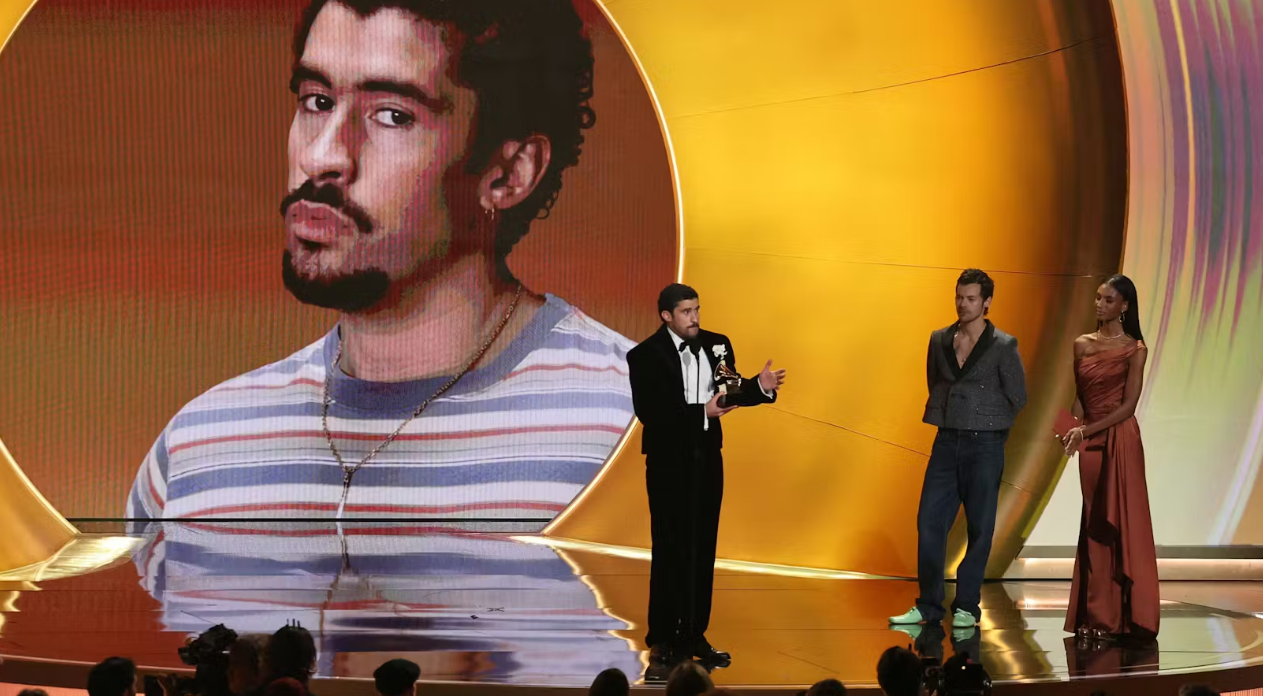
Image Credit: REUTERS via Heute.at
The idea that celebrities can remain “above politics” no longer holds up. In a digital culture where a single post can mobilise millions, neutrality is rarely neutral. Celebrities may not run for office, but they occupy a powerful place of influence by default, as they benefit daily from visibility, wealth, and cultural authority. To deny responsibility while profiting from that influence is not modesty; it’s avoidance.
Celebrity political engagement is often dismissed as shallow or performative. Sometimes that criticism is fair: the perfectly worded Instagram slide, the recycled hashtag, the vague call for “unity”. However, dismissing celebrity activism altogether misses a crucial point: political responsibility does not require expertise, but it does require recognition of power. Celebrities are not policy analysts, but they direct attention and, in an economy that demands attention, that power matters.
When used thoughtfully, celebrity platforms can shape public awareness in ways traditional parties struggle to achieve. Younger audiences are often more likely to encounter political conversations through pop culture than through party manifestos. Billie Eilish, for instance, has used major award stages to criticise U.S. immigration enforcement and encourage young people to vote, framing participation as culturally urgent rather than bureaucratic. Similarly, Bad Bunny has spoken openly about immigration and Puerto Rican political identity, using global platforms to normalise conversations that might otherwise remain niche. In these moments, celebrity speech does not replace informed debate; it widens access to it.
The risks of celebrity political engagement become clearer when influence shifts from raising awareness to generating confusion. In 2021, Nicki Minaj shared unverified claims about COVID-19 vaccines, prompting responses from public health officials and widespread media correction. The episode demonstrated how quickly a celebrity’s online commentary can amplify uncertainty or polarisation, regardless of intent. More recently, her public praise of Donald Trump and appearance in conservative political spaces further complicated her relationship with her audience, illustrating how celebrity political alignment can reshape fan communities as much as it shapes public discourse. Fame magnifies error and endorsement alike, which makes political responsibility less about frequency of speech and more about recognising the weight attached to it. A different kind of controversy surrounded Sydney Sweeney, who faced online criticism after photographs from a family celebration appeared to display politically charged symbolism. Although the images were open to interpretation, the reaction revealed how little separation now exists between private life and public accountability. In a digital culture that reads identity as political, even association, silence or ambiguity can be treated as a statement.
This blurring feeds into a familiar question: can we separate the art from the artist? If audiences disagree with a celebrity’s perceived stance, can they justify watching Euphoria or supporting related projects? Consumption is rarely neutral – streaming and purchasing contribute to a celebrity’s cultural and financial capital. Yet creative industries are collaborative, and boycotts rarely affect only one individual. Separating art from artistry may be philosophically inconsistent, but it remains emotionally common.
Still, opting out of politics is not neutral either. The ability to “stay out of it” is a privilege unavailable to those whose lives are directly shaped by policy, borders, or systemic inequality. When celebrities claim politics is not their place, disengagement quietly maintains the status quo.
Ultimately, celebrities do not owe constant commentary. But once their platforms shape public attention, silence becomes a political act in itself. Influence exists whether acknowledged or not. The real question is not whether celebrities have political responsibility: it’s whether they, and we, are willing to confront what that responsibility means.