
Flirting With Fascism: Is the UK Following in America's Footsteps?
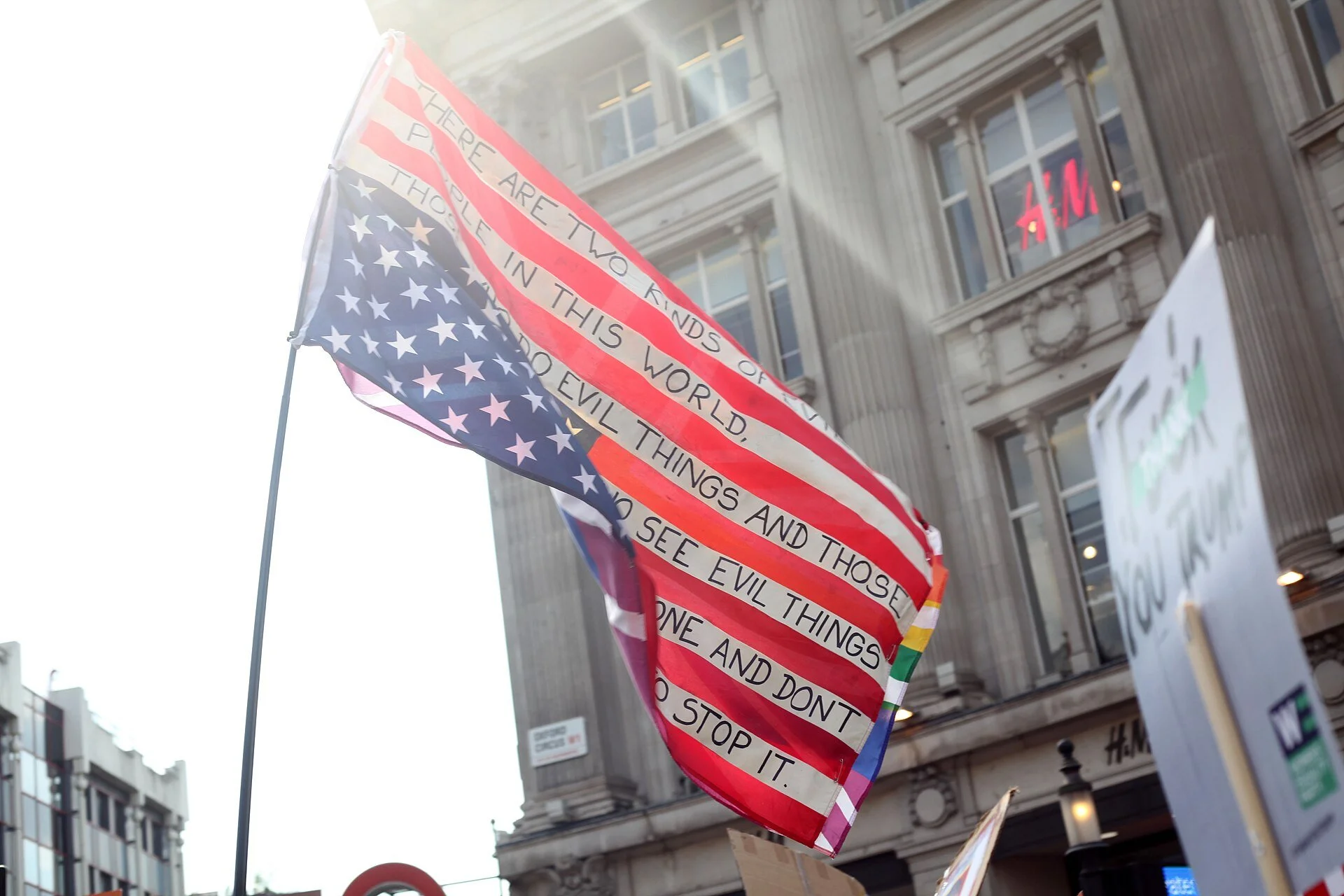
Image Credit: Kevin Walsh via Wikimedia
Across the Atlantic, the steady march of the new right is readily apparent. Advancing from rallies to the courtrooms, forwards into statehouses and cable news studios, and now into the cities and streets themselves. Agitators have become adjudicators; populists now in firm control of the populace.
To some, it seems clear that Britain is taking the same steps. Scandals ranging from Boris to Brexit, dodgy donors to full tax fraud committed by ministers have all fueled the same searing discontent that has so violently erupted in America. Britain's political institutions have become discredited, her democratic processes strained, and political class detested. To put it plainly, Britain is suffering from a crisis of confidence.
But a crisis is not a catastrophe, and the UK has not yet suffered the same convulsions that have seeped and simmered within the American system for decades, dragging us to our present juncture. Yes, our norms have been tested. Yes, we have endured a period of acute political turbulence. Yes, demagogues have risen, and trust has frayed. And yet, we have not witnessed the hollowing out of our political order. We have not seen electoral defeat answered by insurrection. America's crisis is the product of a captured party system, a fractured constitution, and a media ecosystem built for outrage. Britain's is simpler: decades of broken promises and a political class that long ago exhausted its credit. These are different ailments, and they demand different remedies.
Though if our divergence from our American cousins is so clear, why is Reform UK polling so strongly? Why is Tommy Robinson able to mobilise crowds in London? Why does faith in democracy, particularly among the young, appear to be waning? Walk through any town centre, scroll through any feed, and a sense of foreboding is not difficult to find.
These are symptoms, but they do not signal systemic breakdown. Polling surges are not constitutional revolutions. Street mobilisation, however loud, is not the same as institutional capture. A loss of confidence does not automatically translate into the collapse of parliamentary sovereignty. However brittle and bruised our institutions have become, they are still capable of doing their job; as can be witnessed in the defenestrations of Johnson, Truss, and most recently Mandelson - proof that bad actors can still be ejected.
At the heart of this divergence is not a sea-change in the temperament of the British voter, but a steady erosion of faith that the political establishment will, or even can, deliver the outcomes it repeatedly promises. Since 1997, successive governing parties have campaigned on variations of the same themes: managed or reduced migration, economic security, and the restoration of trust in public life; from Tony Blair’s pledge to be “purer than pure, whiter than white” to Keir Starmer’s promise to “fight for trust.” It is the failure, or at least the perception of failure, by successive governments to deliver on these promises that has led voters to increasingly extreme alternatives. 2024, and the landslide victory of Labour on only 34% of the vote, is a sign not of a nation undergoing an intense period of hyper-engagement with politics, as in the States, but a nation that is tired. Apathy, not fear, or even hate, is the order of the day.
We are not condemned to mirror another nation's crisis. Our difficulties are of a different character and demand a different treatment. Britain does not face a politics of civil rupture, but of civic exhaustion, and such exhaustion is not cured by revolution, but by delivery. The question is not whether our institutions can endure, but whether those who inhabit them can finally do what they have spent three decades promising: govern competently, keep their word, and earn back the trust they have squandered. Until then, the apathy will linger. And apathy, left long enough unaddressed, has a habit of turning into something uglier.