
Is the Labour Government Really Doing That Badly?
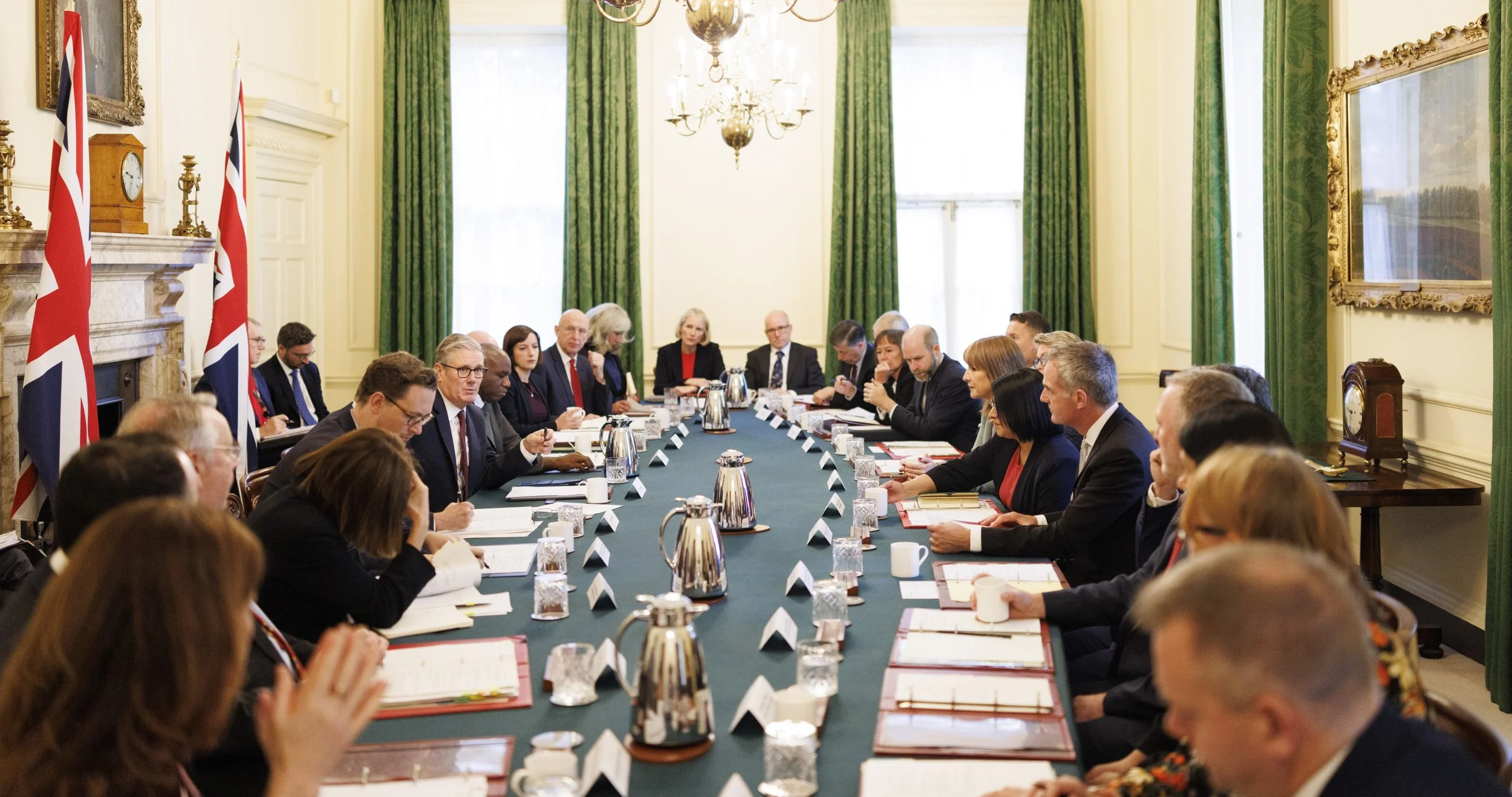
Image Credit: Simon Dawson/No. 10 Downing Street via Wikimedia
Since their landslide win in the 2024 General Election, the reputation of Keir Starmer’s Labour Party has taken a battering. Policy U-turns, broken manifesto promises, and an overall lack of energy and excitement for the party (and its leader) have really put a dampener on what could have been a fundamental departure from the stale governance of the Conservatives.
But despite all that, is it at all reasonable that Starmer is the least popular Prime Minister on record? Or that Rachel Reeves is the most unpopular Chancellor in history?
The factors driving these record-breaking levels of disapproval have been inescapable to anyone who even peripherally follows the news. The weak ideological position of this Labour government, exemplified by policy flip-flopping, broken manifesto promises, and right-wing solutions to controversial policy problems like immigration, has broadly failed to capture the support of the Left. Starmer’s stance on Gaza, with delayed calls for a ceasefire and a tacit recognition of the state of Palestine, has also lost Labour the support of young and urban voters, who they’ve leaned on heavily for support in the past.
Most recently, Chancellor Rachel Reeves publicly U-turned on her decision to increase income tax (which Labour had promised not to do in their election manifesto) and introduced a fair few controversial policies in the Autumn Budget. These included capping the amount of salary sacrificed into pensions that is exempt from National Insurance to £2,000 annually and extending the income tax threshold freeze - pushing more people into higher tax brackets as incomes grow.
Whilst none of these blunders are a particularly good look for the Labour Government, the muted conversation around their progressive policy changes is the real driving force behind their poor approval ratings. Plenty of productive new policies are already having positive impacts across the country, though they are going largely unsung by the media and the public:
In regard to education, Labour’s campaign to recruit new teachers through incentive payments, online resources, and training reforms increased the number of new trainees in the last academic year by 6%, with the number of secondary school teachers rising by 1,400 according to the BBC.
The Children’s Wellbeing and Schools Bill, currently at report stage, is another move by the Labour government to champion children and young people - making free breakfast clubs a requirement for all primary schools and providing increased support for home-educating parents. The bill also supports children and young people in the care system by strengthening safeguards and offering more support to care leavers. The focus and progress of the government in relation to the education and welfare of Britain’s youth highlights the longevity of their reforms, which will improve opportunities and outcomes for generations to come.
Starmer’s government has also established the Homes for Heroes project, providing £3.7 million in funding to support veterans with housing needs by developing new build projects and refurbishing accommodation. To provide additional housing support to vulnerable individuals, they have also exempted veterans, as well as domestic abuse victims and care leavers under 25, from the requirement to have a connection to a local area before accessing local housing. In further efforts to improve tenant conditions, Labour’s Renters’ Reform Act will provide enhanced protection for renters by ending no-fault evictions and putting a stop to bidding wars.
It would be ignorant to overlook the failures of this Labour government in favour of simply focusing on these progressive policies. Yet in the same vein, it’s also deeply unfair to focus only on their missteps whilst ignoring all of the positive policies that they’re delivering.
Starmer’s dismal approval ratings reflect an uninformed view of his government’s work and impact so far. Labour’s weak PR strategy, attacks from political opponents on the left and the right, negative news stories, and the willingness of the public to accept media narratives at face value will continue to unfairly thrash this government’s public image. It’s in Labour’s hands to change the tide of public opinion and get their productive policy achievements on the agenda. Failure to do so could place the keys to No.10 in the hands of Nigel Farage at the next election.